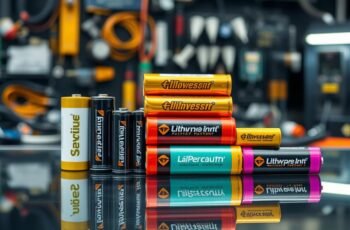
Many believe that all lithium chemistries perform equally well in cold environments, but evidence suggests otherwise. We need to examine the specific properties that influence low-temperature performance, such as thermal stability and internal resistance. Understanding these differences is vital for selecting the most reliable solution. The question remains: which lithium chemistry truly offers ideal performance in freezing conditions, and what makes it superior?
Key Takeaways
- Lithium Iron Phosphate (LiFePO₄) offers superior performance and stability in cold temperatures due to high thermal stability.
- NMC (Lithium Nickel Manganese Cobalt Oxide) maintains better capacity retention in low-temperature environments.
- Lithium cobalt oxide (LiCoO₂) performs poorly below 0°C due to reduced ionic conductivity and increased internal resistance.
- Solid-state lithium batteries provide enhanced cold-weather performance with higher ionic conductivity and safety benefits.
- Proper thermal management and pre-warming improve cold weather operation for various lithium chemistries.
How Lithium Chemistry Affects Cold Weather Performance
Lithium chemistry plays a crucial role in determining the performance of batteries in cold weather conditions. The electrolyte conductivity markedly influences ion transport at low temperatures, where decreased conductivity hampers overall efficiency. Selecting electrolytes with high ionic mobility ensures better charge transfer despite the cold. Additionally, anode materials are critical; materials such as graphite exhibit reduced intercalation rates when temperatures drop, impacting capacity and cycle life. Advances in anode composition, including silicon or lithium titanate, help mitigate these issues by maintaining stable electrochemical behavior in cold environments. The interplay between electrolyte conductivity and anode material properties dictates the battery’s responsiveness and longevity in cold conditions. Optimizing lithium chemistry to enhance these factors is essential for reliable cold weather battery performance.
Comparing Common Lithium Chemistries for Low-Temperature Use
When evaluating lithium chemistries for low-temperature applications, it becomes essential to compare their electrochemical stability, ionic mobility, and capacity retention under cold conditions. Lithium-ion chemistries differ primarily in electrolyte composition and electrode materials, influencing performance in cold environments. For example, Lithium Cobalt Oxide (LiCoO₂) offers high energy density but exhibits reduced ionic mobility at low temperatures. Conversely, Lithium Nickel Manganese Cobalt Oxide (NMC) maintains better capacity retention due to more stable electrode materials and optimized electrolytes. The table below summarizes key aspects:
| Chemistry | Electrolyte Composition | Electrode Materials |
|---|---|---|
| LiCoO₂ | Organic carbonate-based | Cobalt-based cathode |
| NMC | Lithium salt in carbonate | Nickel-manganese-cobalt oxide |
This comparison guides selecting chemistries suited for cold weather conditions.
Why Lithium Iron Phosphate (LiFePO4) Excels in Cold Conditions
Due to its unique electrochemical properties, Lithium Iron Phosphate (LiFePO₄) demonstrates superior performance in cold environments compared to other lithium chemistries. Its stable crystal structure results in lower internal resistance, enabling efficient charge and discharge cycles even at subzero temperatures. Effective battery insulation and thermal management are critical to maintaining ideal operating temperatures, preventing capacity loss, and extending lifespan. LiFePO₄’s inherent thermal stability reduces the risk of thermal runaway, which is especially important in cold conditions where battery heating is limited. This chemistry’s resilience to temperature fluctuations allows for more reliable performance without excessive reliance on external heating systems. Overall, LiFePO₄’s combination of electrochemical stability and thermal robustness makes it an excellent choice for cold weather applications.
The Limitations of Lithium Cobalt (LiCoO2) in Freezing Temperatures
Although Lithium Cobalt Oxide (LiCoO₂) offers high energy density and widespread use in consumer electronics, it faces notable limitations in freezing temperatures. Lithium cobalt limitations become evident as the electrolyte’s ionic conductivity drops sharply below 0°C, impairing charge transfer. This leads to:
LiCoO₂’s performance drops sharply below 0°C due to electrolyte conductivity issues, impairing charge transfer and efficiency.
- Increased internal resistance, reducing efficiency.
- Higher risk of capacity fading during cold cycling.
- Reduced power output, especially during rapid discharge.
These freezing temperature challenges stem from the electrolyte’s inability to facilitate ion movement at low temperatures, making LiCoO₂ less reliable in cold environments. Consequently, its performance deteriorates markedly, limiting its application in cold-weather scenarios. Understanding these lithium cobalt limitations is essential for selecting appropriate chemistries for freezing conditions.
Benefits of Solid-State Lithium Batteries in Cold Climates
Solid-state lithium batteries offer significant advantages in cold climates by maintaining higher electrochemical performance at low temperatures. They also enhance safety through the elimination of liquid electrolytes, reducing risks associated with thermal runaway. These features collectively make them a viable and reliable option for cold-weather applications.
Enhanced Cold-Weather Performance
How do solid-state lithium batteries outperform traditional counterparts in cold environments? They maintain higher ionic conductivity at low temperatures, ensuring reliable power delivery. Their solid electrolyte resists electrolyte freezing, reducing capacity loss during cold starts. Additionally, their stability enhances long-term performance, supporting sustainable practices like battery recycling and renewable integration.
Key advantages include:
- Consistent Power Output: They deliver stable voltage and capacity, even in sub-zero conditions.
- Reduced Degradation: Less capacity fade over time, extending battery lifespan.
- Enhanced Efficiency: Better thermal management minimizes energy wastage, crucial for renewable energy systems in cold climates.
These features make solid-state lithium batteries highly suitable for cold weather applications, providing dependable energy solutions while supporting environmental sustainability.
Improved Safety Features
Cold environments pose significant safety challenges for traditional lithium batteries, primarily due to the risk of thermal runaway and electrolyte leakage. Solid-state lithium batteries mitigate these risks through a solid electrolyte, which resists short circuits and reduces flammability. This enhanced safety is especially vital in cold climates, where battery failure can lead to hazardous situations. Additionally, solid-state designs improve compatibility with existing charging infrastructure and facilitate safer battery recycling by eliminating liquid electrolytes.
| Safety Feature | Impact on Cold Climates | Recycling & Infrastructure Benefits |
|---|---|---|
| Thermal stability | Minimizes thermal runaway risks | Easier disassembly for recycling |
| Mechanical robustness | Reduces electrolyte leakage | Safer handling and disposal |
| Non-flammability | Lower fire hazard | Supports safe recycling practices |
| Compact design | Enhances integration in devices | Streamlines manufacturing processes |
Factors to Consider When Choosing Batteries for Cold Weather
When selecting batteries for cold environments, we must prioritize cold temperature performance to guarantee reliable operation. Battery chemistry stability is equally critical, as certain chemistries maintain capacity and safety at low temperatures. Understanding these factors helps optimize battery choice for durability and efficiency in frigid conditions.
Cold Temperature Performance
What factors influence a battery’s ability to perform reliably in low temperatures? Temperature sensitivity directly impacts capacity, internal resistance, and charge retention. As temperatures drop, chemical reactions slow, reducing overall performance. For renewable energy systems relying on cold climates, selecting lithium chemistry with low internal resistance guarantees better cold weather operation. Additionally, batteries with improved cold temperature performance facilitate efficient battery recycling, minimizing waste. Key considerations include:
- Electrolyte Composition: Certain electrolytes maintain ion flow at low temperatures, preserving capacity.
- Thermal Management: Incorporating insulation or heating elements helps sustain ideal operating temperatures.
- Chemistry Stability: Lithium chemistries that resist capacity loss in the cold support reliable renewable energy storage.
Focusing on these factors ensures batteries remain functional in cold conditions, promoting sustainable energy use and proper battery recycling practices.
Battery Chemistry Stability
How does the inherent stability of lithium chemistries influence their performance in low-temperature environments? Stable chemistries resist capacity fade and internal degradation during cold conditions. This stability affects not only initial performance but also long-term reliability, including aspects like battery recycling and adherence to refined charging protocols. For instance, lithium iron phosphate (LiFePO₄) offers superior thermal stability over lithium cobalt oxide, reducing risks of thermal runaway in cold climates. The table below summarizes key stability factors:
| Chemistry | Temperature Tolerance | Recycling Ease |
|---|---|---|
| Lithium Iron Phosphate | High | Simplifies recycling |
| Lithium Nickel Manganese Cobalt | Moderate | Moderate |
| Lithium Cobalt Oxide | Low | Complex |
Understanding these stability factors ensures ideal battery selection and longevity in cold environments.
Tips to Maximize Battery Life and Performance in Cold Temperatures
Cold temperatures cause lithium-ion batteries to lose capacity and deliver less power, but proactive measures can mitigate these effects. Proper battery charging practices are essential; avoid full charges in extreme cold, as this stresses the battery and reduces longevity. Instead, maintain a charge level between 20% and 80%. Effective thermal management is also critical—using insulated enclosures or portable heating elements helps keep batteries within *ideal* temperature ranges, ensuring consistent performance. Additionally, pre-warming batteries before use minimizes capacity loss.
Key tips include:
- *Implement controlled battery charging protocols* to prevent overcharging in cold conditions.
- *Utilize thermal management solutions* like insulation or heating pads to maintain stable operating temperatures.
- *Pre-warm batteries* before critical use to sustain capacity and performance.
Frequently Asked Questions
How Does Battery Size Influence Cold Weather Performance?
Battery size directly impacts cold weather performance by enhancing capacity and size efficiency; larger batteries maintain better power output in low temperatures, reducing voltage drops and improving overall reliability, although they may add weight and space considerations.
Can Battery Warming Methods Improve Low-Temperature Operation?
Absolutely, battery warming methods dramatically enhance low-temperature performance. Thermal regulation combined with advanced insulation techniques effectively maintains ideal operating temperatures, ensuring batteries function reliably even in the coldest environments, preventing capacity loss and extending lifespan.
Are There Environmental Impacts of Using Specific Lithium Chemistries in Cold Climates?
Environmental concerns arise from extracting and processing specific lithium chemistries, impacting ecosystems and communities. Cold climate applications may strain supply chains further, emphasizing the need for sustainable sourcing and recycling to mitigate ecological footprints.
How Do Charging Habits Affect Battery Lifespan in Cold Weather?
Charging protocols and temperature management critically influence battery lifespan in cold weather; proper charging at ideal temperatures minimizes capacity loss, while avoiding rapid charging prevents thermal stress, ensuring longer battery health and reliable performance in low-temperature environments.
What Safety Considerations Are Unique to Lithium Batteries in Cold Environments?
In cold environments, lithium batteries pose safety risks like thermal runaway; we recommend thermal insulation and strict safety protocols to prevent hazards, ensuring safe operation amid freezing temperatures while maintaining peak performance and preventing damage.
Conclusion
In summary, LiFePO₄ batteries stand out as the best choice for cold weather due to their superior thermal stability and resistance to capacity loss—maintaining over 90% of their capacity even below freezing. This resilience makes them ideal for critical applications in harsh climates. Their ability to perform reliably in low temperatures underscores the importance of selecting chemistry tailored to environmental conditions, ensuring longevity and safety in cold-weather energy storage solutions.