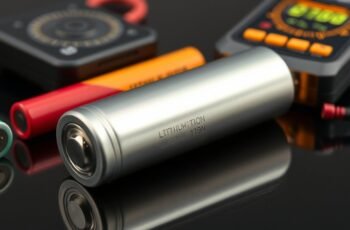
Like a modern-day alchemy, lithium-ion batteries transform raw materials into reliable power sources for our devices, yet the nuances of their chemistry determine performance and safety. As technology advances, selecting the ideal battery involves analyzing factors like energy density, cycle life, and thermal stability—elements that directly impact device longevity and user safety. Understanding these intricacies is essential, especially as we rely more heavily on portable electronics; uncovering what makes a battery truly best can influence our choices markedly.
Key Takeaways
- Choose batteries with high energy density for longer device usage between charges.
- Prioritize batteries with long cycle life for durability and sustained performance.
- Select models with advanced thermal management to ensure safety and prevent overheating.
- Opt for batteries with high charging efficiency to reduce charging time and energy loss.
- Consider batteries from reputable brands that prioritize safety, reliability, and environmental sustainability.
What Are Lithium-Ion Batteries and How Do They Work?
Lithium-ion batteries are a type of rechargeable energy storage device that relies on the movement of lithium ions between electrodes during charge and discharge cycles. Their battery chemistry involves intercalation compounds, typically graphite anodes and metal oxide cathodes, enabling efficient ion transfer. This chemistry allows lithium ions to shuttle back and forth, converting electrical energy into chemical energy and vice versa. The energy density of lithium-ion batteries is particularly high, making them ideal for compact electronic devices. Their ability to store large amounts of energy in a small form factor stems from this chemistry, which optimizes ion mobility and electrode stability. Consequently, lithium-ion batteries deliver reliable performance, long cycle life, and enhanced portability, establishing themselves as the dominant choice in modern electronics.
Key Factors to Consider When Choosing the Best Lithium-Ion Battery
When selecting the most suitable lithium-ion battery for a specific application, it’s crucial to evaluate key technical factors that influence performance, longevity, and safety. Battery lifespan is critical, as it determines how many charge cycles the battery can endure before capacity degrades considerably. A longer lifespan reduces replacement costs and environmental impact. Charging efficiency also plays an essential role, affecting how quickly and effectively the battery reaches full capacity without undue stress or heat generation. High charging efficiency minimizes energy loss and prolongs overall battery health. By analyzing these factors, we can guarantee ideal performance and safety, selecting batteries that meet specific device demands while maximizing durability and energy retention over time.
Top Lithium-Ion Batteries for Smartphones and Tablets
What makes certain lithium-ion batteries stand out for smartphones and tablets? Primarily, it’s their optimized balance of battery longevity and charging cycle resilience. Top-performing batteries maintain consistent capacity over numerous cycles, ensuring prolonged device usability. They also feature advanced chemistries and thermal management to mitigate degradation and thermal stress. These batteries often incorporate higher energy densities, enabling longer usage between charges, while maintaining safety standards. Additionally, they are engineered for fast charging without compromising cycle life. The focus on durability and efficiency ensures devices perform reliably over time, reducing the need for replacements. Such batteries exemplify sophisticated design and material choices that maximize lifespan and cycle stability, critical for consumer satisfaction and device sustainability.
- High cycle counts for extended longevity
- Stable capacity retention over time
- Enhanced thermal stability
- Fast charging capabilities
- Robust safety features
Best Lithium-Ion Batteries for Laptops and Portable Devices
Why do certain lithium-ion batteries excel in laptops and portable devices? These batteries typically feature high energy density, allowing longer usage between charges, and robust cycle life for durability. Advanced electrode materials and optimized thermal management improve performance, while safety features prevent overheating. Additionally, manufacturers are increasingly focusing on sustainable practices like battery recycling to minimize environmental impact. The ability to recycle components reduces waste and conserves resources, addressing environmental concerns associated with battery disposal. The best batteries balance these technical attributes with eco-friendly considerations, ensuring reliable power delivery while mitigating ecological footprint. As portable device usage grows, prioritizing batteries that enhance performance and support sustainable practices becomes essential for both consumers and manufacturers.
Leading Lithium-Ion Batteries for Electric Vehicles
Advancements in lithium-ion battery technology have become pivotal in meeting the demanding performance and safety standards of electric vehicles (EVs). Leading EV batteries, such as NMC (Nickel Manganese Cobalt) and LFP (Lithium Iron Phosphate), balance energy density, longevity, and safety. They have improved lifecycle and charge efficiency, but environmental impact remains a concern, especially regarding battery recycling. Effective recycling processes reduce resource extraction and mitigate hazardous waste. Innovations focus on minimizing cobalt use to lower ethical and environmental issues. additionally, advancements aim to enhance thermal management to prevent overheating. These developments collectively contribute to sustainable EV battery production and disposal, addressing the long-term ecological footprint of electric mobility.
- Battery chemistry optimization
- Recycling process efficiency
- Lifecycle durability
- Environmental impact mitigation
- Thermal safety enhancements
Safety Tips for Using and Maintaining Lithium-Ion Batteries
To guarantee the safe and efficient use of lithium-ion batteries, it’s essential to follow proper handling and maintenance practices. Effective thermal management minimizes risks of overheating, which can lead to thermal runaway and battery failure. Regularly monitoring temperature levels and avoiding exposure to extreme heat are critical. Additionally, responsible battery recycling prevents environmental hazards and potential safety issues associated with improper disposal. Proper recycling ensures materials are safely recovered and reused, reducing hazardous waste. Maintaining balanced charge levels and avoiding overcharging or deep discharging also prolongs battery lifespan and stability. By integrating rigorous thermal management and adhering to battery recycling protocols, users can notably reduce safety risks, optimize performance, and promote sustainable practices in handling lithium-ion batteries.
How to Identify Reliable Brands and Read Battery Specifications
When selecting lithium-ion batteries, identifying reliable brands is essential to guarantee safety and performance. Reputable brands often adhere to strict quality controls, ensuring consistency and minimizing risks related to battery malfunction. Reading battery specifications carefully helps assess capacity, voltage, cycle life, and safety features. Pay attention to certifications like UL or IEC standards, indicating compliance with safety protocols. Additionally, consider the manufacturer’s approach to battery recycling and their environmental impact; responsible brands prioritize eco-friendly disposal to reduce environmental harm. To make an informed choice, evaluate product datasheets for detailed technical data, such as energy density and temperature tolerance. Reliable brands not only enhance device longevity but also contribute to safer battery recycling practices, reducing environmental impact and promoting sustainability in electronics use.
Frequently Asked Questions
How Long Do Lithium-Ion Batteries Typically Last Before Replacement?
Lithium-ion batteries typically last 2 to 3 years before replacement, depending on usage factors like charge cycles, temperature, and overall battery health. Proper maintenance can extend their lifespan and optimize performance over time.
Can Lithium-Ion Batteries Be Recycled Safely?
Absolutely, lithium-ion batteries can be recycled safely when proper safety protocols are followed; like a well-guarded vault, battery recycling safeguards environmental and human health, emphasizing the importance of adhering to established, rigorous safety procedures to prevent hazards.
What Are Common Signs of a Failing Lithium-Ion Battery?
We’ve observed that signs of failing lithium-ion batteries include rapid capacity loss, increased internal resistance, and overheating, often linked to poor charging habits and battery degradation over time. Regular monitoring helps detect these issues early.
How Does Temperature Affect Lithium-Ion Battery Performance?
A stitch in time saves nine; temperature profoundly impacts lithium-ion battery performance. Proper thermal management and battery cooling prevent overheating, preserve capacity, and extend lifespan, ensuring ideal operation and safety by maintaining consistent internal temperatures under varying conditions.
Are There Any Environmental Impacts of Lithium-Ion Battery Disposal?
Disposing of lithium-ion batteries can cause environmental pollution due to hazardous materials, impacting ecosystems and human health. Proper disposal extends battery lifespan and minimizes environmental risks, underscoring the importance of recycling and responsible waste management practices.
Conclusion
Ultimately, selecting the right lithium-ion battery is akin to choosing a reliable compass in a complex landscape—guiding us safely through technological advancements. As we evaluate chemistries, safety, and performance, we forge a path toward innovation and sustainability. By understanding these underlying principles, we guarantee our devices remain resilient, much like a steadfast lighthouse illuminating the way amid shifting currents. In this pursuit, knowledge becomes our most essential safeguard.