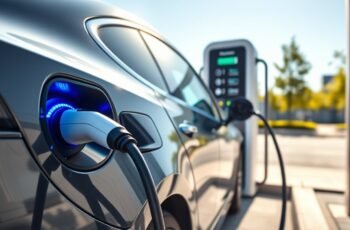
Did you know that despite their impressive energy density, EV lithium batteries typically retain only about 70-80% of their original capacity after several years of use? While many assume battery life is fixed, numerous factors influence longevity—ranging from charging habits to climate conditions—that can substantially alter performance over time. Understanding these variables is vital for maximizing lifespan and evaluating the long-term sustainability of electric vehicles. Let’s explore how these elements interact and what can be done to extend battery life.
Key Takeaways
- EV lithium batteries typically last between 8 to 15 years under normal use.
- Proper charging habits and thermal management significantly extend battery lifespan.
- Signs of aging include reduced range, longer charging times, and power drops.
- Recycling and second-life applications help maximize battery utility and promote sustainability.
- Advances like solid-state batteries and improved thermal systems aim to further increase durability.
How Long Do EV Lithium Batteries Typically Last?
While the longevity of EV lithium batteries can vary based on several factors, most current models are engineered to last between 8 to 15 years under typical usage conditions. Advances in manufacturing innovations have considerably improved battery durability, reducing degradation over time. Enhanced electrode materials and precision manufacturing processes contribute to longer cycle life and better performance retention. As batteries approach end-of-life, battery recycling becomes essential to recover valuable materials like lithium, cobalt, and nickel, supporting sustainability and reducing environmental impact. These innovations not only extend the functional lifespan of batteries but also facilitate more efficient recycling processes, creating a circular economy within the EV industry. Overall, ongoing technological improvements are vital to maximizing battery lifespan and promoting sustainable EV adoption.
Factors That Influence Battery Lifespan in Electric Vehicles
Charging habits, climate conditions, and driving patterns considerably influence lithium battery lifespan in EVs. Frequent rapid charging and extreme temperature exposure accelerate capacity loss, while consistent moderate use helps maintain battery health. Understanding these factors enables us to optimize battery longevity through strategic usage.
Charging Habits Impact
The way we charge electric vehicle batteries substantially influences their overall lifespan by affecting battery chemistry and thermal stability. Proper charging etiquette, such as avoiding frequent fast charging and never letting the battery deplete completely, minimizes stress on the cells. Ideal practices include maintaining a charge level between 20% and 80%. Additionally, mindful charging extends battery life and supports effective battery recycling efforts, reducing environmental impact.
| Charging Practice | Impact on Battery Longevity |
|---|---|
| Fast charging | Accelerates capacity fade |
| Full charge to 100% | Increases thermal strain |
| Partial charges (20-80%) | Preserves cell chemistry and stability |
Implementing these habits promotes durability and sustainability in EV usage.
Climate and Temperature Effects
Have you ever wondered how climate and temperature fluctuations directly influence the longevity of EV lithium batteries? Temperature extremes accelerate degradation by increasing internal resistance and promoting electrolyte breakdown. High temperatures, often exacerbated by solar integration in regions with abundant sunlight, can cause rapid capacity loss, while cold climates slow chemical reactions, reducing efficiency. Effective thermal management systems are essential to mitigate these effects. Additionally, consistent heat stress influences recycling techniques, as degraded batteries become more challenging to repurpose. Understanding these climate impacts encourages design improvements that enhance durability. As we develop recycling techniques, we aim to recover materials more efficiently from aged batteries subjected to extreme temperatures, ensuring sustainability and extending usable life. Ultimately, climate control strategies are critical for maximizing battery lifespan in varied environmental conditions.
Usage and Driving Patterns
Driving patterns considerably influence the lifespan of EV lithium batteries by affecting how and when the battery undergoes charge and discharge cycles. Frequent rapid acceleration or high-speed driving accelerates capacity fade, while consistent, moderate use prolongs battery health. Ideal use depends on effective charging infrastructure, which enables timely, partial charging to reduce stress on battery chemistry. Additionally, drivers who participate in battery recycling initiatives contribute to sustainable lifecycle management, ensuring batteries are properly repurposed or recycled at end-of-life, minimizing environmental impact. Conversely, irregular usage or overreliance on fast chargers can increase thermal stress and degrade battery components faster. Understanding and maximizing driving behavior, alongside improvements in charging infrastructure and recycling practices, are essential factors in extending EV battery longevity.
Signs Your EV Battery Is Deteriorating
As lithium-ion batteries age, their performance decline becomes detectable through specific signs indicative of deterioration. Reduced driving range, longer charging times, and unexpected power drops signal capacity loss. Additionally, increased frequency of battery recycling and reliance on existing charging infrastructure can point to declining battery health. It’s essential to monitor these indicators to prevent sudden failures and optimize maintenance strategies.
| Sign | Technical Explanation |
|---|---|
| Reduced Range | Indicates diminished capacity due to electrode degradation or electrolyte breakdown. |
| Longer Charging Times | Reflects increased internal resistance, affecting charge acceptance. |
| Power Fluctuations | Sudden drops in power output suggest cell imbalance or deterioration. |
Understanding these signs helps us plan for timely battery recycling and infrastructure upgrades, ensuring sustained EV performance.
How to Maximize the Longevity of Your EV Lithium Battery
Maximizing the lifespan of your EV lithium battery requires a strategic approach focused on minimizing stressors that accelerate degradation. Proper management of charging habits is critical; avoiding frequent high-voltage charges and rapid charging can reduce thermal and electrochemical stress. Utilizing robust charging infrastructure that supports optimized charging protocols helps prevent overcharging or deep discharges, which degrade battery health. Additionally, supporting battery recycling initiatives ensures the responsible disposal of end-of-life batteries, reducing environmental impact and encouraging sustainable manufacturing practices. Maintaining stable operating temperatures is essential; parking in shaded or climate-controlled environments minimizes thermal cycling. By integrating these practices—careful charging, supporting recycling, and optimizing temperature control—we can extend battery longevity, enhance performance, and promote a sustainable EV ecosystem.
Comparing Battery Life Across Different EV Models
While battery longevity varies considerably among different electric vehicle (EV) models, understanding these differences is essential for making informed purchasing decisions. Some models feature advanced battery chemistries that enhance lifespan, while others may have shorter cycle lives. Manufacturers often include warranty coverage that extends to battery health, reflecting confidence in durability and influencing long-term costs. Additionally, the availability of battery recycling programs impacts sustainability and residual value, as longer-lasting batteries reduce environmental impact and cost over time. Comparing these factors across models helps consumers assess trade-offs between initial price, warranty scope, and expected lifespan. Ultimately, understanding how battery chemistry, warranty coverage, and recycling initiatives differ enables a more strategic choice aligned with long-term reliability and environmental considerations.
What Happens When an EV Battery Reaches the End of Its Life?
When an EV battery reaches the end of its useful life, it no longer provides peak performance but still retains significant capacity that can be harnessed through various recycling and repurposing methods. Battery recycling plays a vital role in recovering valuable materials like lithium, cobalt, and nickel, reducing environmental impact and conserving finite resources. Additionally, second life applications enable these degraded batteries to serve in less demanding roles, such as stationary energy storage or backup power systems. This approach extends the functional lifespan of the battery, delaying disposal and minimizing waste. By integrating recycling and second life strategies, the EV industry can manage end-of-life batteries more sustainably, transforming potential waste into valuable resources while supporting broader environmental and economic goals.
Future Technologies and Improvements in EV Battery Durability
Advancements in solid-state batteries promise to substantially improve energy density and longevity by replacing liquid electrolytes with solid materials, reducing degradation. Enhanced thermal management systems are also essential, as they mitigate heat-related deterioration and extend battery life. Together, these innovations are set to transform EV battery durability and overall performance.
Solid-State Battery Advancements
Recent developments in solid-state battery technology promise significant enhancements in the durability and safety of electric vehicle (EV) batteries. These batteries replace liquid electrolytes with solid ones, reducing degradation and thermal risks, thereby extending lifespan. Advancements also aim to improve raw material sourcing by utilizing more abundant or sustainable materials, easing supply chain constraints, and enhancing recyclability. The following table summarizes key attributes:
| Aspect | Impact |
|---|---|
| Battery recycling | Easier due to stable solid electrolytes, reducing waste |
| Raw material sourcing | Potential for alternative, more sustainable materials |
| Durability | Longer cycle life and resistance to degradation |
| Safety | Reduced risk of thermal runaway |
| Future prospects | Improved efficiency and cost reduction |
These innovations bolster EV longevity and sustainability, addressing critical industry challenges.
Enhanced Thermal Management
As electric vehicle (EV) battery longevity increasingly depends on effective thermal management, future technologies are focusing on innovative cooling and heating solutions to maximize performance and prevent degradation. Advanced thermal regulation systems are being developed to maintain ideal operating temperatures, reducing stress on battery cells and extending lifespan. These systems utilize active cooling methods, such as liquid cooling loops with improved thermal conductivity, and passive techniques like phase change materials. Additionally, integrating thermal management with battery recycling processes ensures that materials are preserved and reused efficiently, minimizing environmental impact. Enhanced thermal regulation not only improves durability but also enhances safety and reliability. As these technologies mature, they promise to greatly extend EV battery life, supporting sustainable mobility and reducing the frequency of battery replacements.
Frequently Asked Questions
Can EV Batteries Be Recycled or Repurposed After Their Lifespan?
We believe EV batteries can be recycled or repurposed after their lifespan, leveraging advanced recycling technologies and understanding battery chemistry, enabling recovery of valuable materials and extending their utility through second-life applications, consequently promoting sustainability and resource efficiency.
How Does Extreme Weather Impact EV Lithium Battery Longevity?
Extreme weather can drastically accelerate battery degradation, reducing lifespan and weather resilience. High temperatures cause rapid chemical breakdown, while cold hampers performance, emphasizing the need for advanced thermal management to preserve EV lithium battery longevity.
Are There Warranties That Cover Battery Replacement Costs?
We find that warranties often cover battery replacement costs, reflecting advancements in battery technology and recycling processes. These warranties provide technical assurance, but coverage specifics vary, emphasizing the importance of understanding terms to mitigate potential long-term costs.
What Are the Environmental Impacts of EV Battery Disposal?
We recognize that EV battery disposal poses environmental challenges, as battery degradation leads to hazardous waste, and recycling challenges hinder efficient recovery of materials, emphasizing the need for improved recycling technologies and sustainable disposal practices to minimize ecological impact.
Do Different Driving Habits Significantly Affect Battery Lifespan?
Driving styles and charging routines are like the gears in a machine, markedly impacting battery lifespan. Aggressive driving accelerates degradation, while consistent, moderate charging extends longevity, highlighting the importance of optimized habits for EV battery health.
Conclusion
Understanding the lifespan of EV lithium batteries helps us make informed choices and optimize their performance. With ongoing technological advancements, these batteries are becoming more durable and efficient, potentially extending their service life even further. As we continue to innovate, isn’t it likely that future batteries will redefine our expectations for longevity and sustainability? Staying proactive with maintenance and awareness guarantees we maximize battery life and contribute to a greener future.