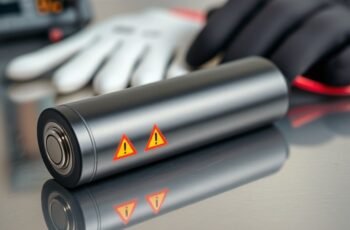
There’s a common belief that simply installing lithium batteries guarantees safety in solar systems, but the reality is far more complex. While their chemistry offers efficient energy storage, it also introduces significant risks like thermal runaway and fire hazards if not properly managed. Ensuring safety requires a thorough understanding of these risks and implementing robust procedures. This discussion explores how effective strategies and standards can prevent accidents, raising questions about the true safety measures in place—questions worth considering as we move forward.
Key Takeaways
- Proper ventilation and gas monitoring prevent hazardous gas buildup and reduce fire and explosion risks.
- Use fire suppression systems like foam or CO2 to quickly control lithium battery fires.
- Follow manufacturer safety standards and conduct regular inspections to ensure system integrity.
- Implement thermal management and monitoring systems to detect overheating and prevent thermal runaway.
- Train personnel on emergency response procedures and conduct regular safety drills for incidents.
How Lithium Batteries Work in Solar Systems
Lithium batteries have become a critical component in solar energy systems due to their high energy density and efficient charge-discharge capabilities. The core of their performance lies in their battery chemistry, primarily involving lithium-ion transfer between cathode and anode materials. This chemistry enables rapid charging and discharging cycles, making them ideal for energy storage. The high energy density of lithium batteries allows for compact, lightweight designs while storing substantial amounts of power, which maximizes space efficiency in solar setups. The electrochemical processes involved are highly controlled, ensuring consistent voltage output and long cycle life. Understanding the interplay between battery chemistry and energy density helps optimize system performance, ensuring reliable power delivery and longevity in solar energy applications.
Common Safety Risks of Lithium Battery Storage
Understanding the safety risks associated with lithium battery storage is critical for preventing hazards. Thermal runaway can lead to fires if not properly managed, and adequate ventilation is essential to dissipate heat and gases. Implementing effective fire suppression measures further mitigates potential damage and guarantees safe operation.
Thermal Runaway Risks
Have you ever considered how thermal runaway poses a significant safety risk in lithium battery storage? Thermal runaway occurs when a failure in thermal stability causes a rapid temperature increase, leading to a chain reaction of cell degradation, fire, or explosion. Preventing this requires strict overcharge prevention measures, as overcharging can destabilize the battery’s chemistry and trigger runaway conditions. Effective design incorporates safety circuits and management systems that monitor voltage and current to maintain stability. By controlling these parameters, we minimize the risk of thermal instability. Ensuring that batteries are properly charged and protected against overcharge is essential for safe storage. Understanding the delicate balance of thermal stability and implementing robust overcharge prevention strategies are critical steps in mitigating thermal runaway risks.
Proper Ventilation Needs
Proper ventilation is essential in lithium battery storage to prevent the accumulation of potentially hazardous gases released during normal operation or in the event of a failure. Adequate ventilation airflow ensures that any gases, such as hydrogen or other volatile compounds, do not reach dangerous concentrations. Insufficient airflow can lead to oxygen depletion within the enclosure, impairing safety and increasing the risk of undetected gas buildup. We emphasize the importance of designing ventilation systems that maintain continuous airflow, avoiding stagnation zones where gases could concentrate. Proper ventilation not only disperses gases quickly but also minimizes the risk of combustible atmospheres forming. Monitoring airflow and gas levels is vital for maintaining a safe environment, guaranteeing that the stored lithium batteries operate within secure parameters.
Fire Suppression Measures
How can we effectively mitigate fire hazards associated with lithium battery storage? Implementing robust fire suppression systems is vital for rapid response to thermal runaway or fires. These systems should be tailored for lithium battery fires, often involving agents like foam, dry chemical, or CO2. Additionally, emergency preparedness plans must include clear protocols and training for personnel. To analyze safety measures, consider this table:
| Measure | Purpose | Effectiveness |
|---|---|---|
| Fire suppression systems | Immediate fire control | High |
| Regular maintenance | Detects potential failures early | Moderate |
| Emergency protocols | Ensures swift response | Essential |
| Ventilation adjustments | Reduces heat accumulation | Supportive |
These strategies combine to minimize risks, guaranteeing safety through proactive and reactive measures.
Best Practices for Safe Lithium Battery Installation
To guarantee safe lithium battery installation, we need to prioritize proper ventilation to prevent heat buildup and mitigate flammability risks. Correct wiring procedures are essential for maintaining electrical integrity and avoiding short circuits or thermal runaway. Additionally, adhering to safe handling practices minimizes the risk of damage or accidental activation during installation, ensuring overall system safety.
Proper Ventilation Requirements
Have you considered how critical ventilation is for the safe installation of lithium batteries? Adequate ventilation airflow is essential to prevent the buildup of flammable gases and guarantee oxygen levels remain stable. Proper ventilation mitigates the risk of oxygen depletion, which could compromise safety and hinder the detection of leaks. We recommend designing ventilation systems that promote continuous airflow, avoiding stagnant zones where gases could accumulate. Monitoring oxygen levels and ensuring sufficient airflow helps maintain a safe environment, especially in enclosed or confined spaces. Failing to provide appropriate ventilation can lead to hazardous conditions, including increased fire risk or undetected gas leaks. Consequently, understanding and implementing proper ventilation requirements is a fundamental aspect of lithium battery safety protocols.
Correct Wiring Procedures
Ensuring correct wiring procedures is fundamental to the safe installation of lithium batteries, as improper connections can lead to short circuits, overheating, or electrical fires. We emphasize strict adherence to wiring color coding, which clearly distinguishes positive and negative terminals, reducing the risk of reverse polarity. Proper terminal torque is equally critical; over-tightening can damage connectors, while under-tightening may cause loose connections and arcing. Using a calibrated torque wrench ensures terminals are tightened to manufacturer specifications. Additionally, secure, insulated wiring minimizes mechanical stress and prevents accidental disconnections. Consistent inspection of wiring integrity and proper labeling further enhance safety. These best practices collectively minimize electrical hazards and ensure reliable, safe operation of the solar system’s lithium battery bank.
Safe Handling Practices
How can we minimize risks during the handling and installation of lithium batteries? Proper procedures are essential to prevent thermal incidents and guarantee safety. We must handle batteries with anti-static gloves and use insulated tools, avoiding punctures or damage that could lead to thermal runaway. During installation, secure batteries in sand storage to contain potential fires and facilitate cooling. Additionally, implementing protocols for battery recycling helps prevent environmental hazards and reduces improper disposal risks. Clear labeling and documentation of battery capacity, voltage, and safety data are critical for safe maintenance. Regular inspection for corrosion or damage, combined with proper storage practices, minimizes hazards. Adhering to these best practices ensures safety, environmental responsibility, and system longevity.
Regular Maintenance and Safety Checks for Lithium Batteries
Regular maintenance and safety checks are critical components of responsible lithium battery management, as they help identify potential issues before they escalate into safety hazards. Routine inspections should focus on physical integrity, checking for swelling, corrosion, or leaks that could indicate underlying problems. Ensuring batteries are connected properly and that terminals are secure reduces the risk of faults. It’s also essential to verify that batteries comply with manufacturer certifications, confirming they meet safety and performance standards. Proper disposal and battery recycling protocols must be followed at end-of-life to prevent environmental contamination. Regular maintenance not only prolongs battery lifespan but also enhances safety by minimizing the risk of thermal runaway or fire. These proactive measures are essential for maintaining a safe, efficient solar energy system.
Emergency Response Procedures for Battery Fires or Failures
When a lithium battery fire or failure occurs, prompt and effective response is critical to minimizing damage and guaranteeing safety. We recommend initiating immediate emergency evacuation to prevent inhalation of toxic fumes and reduce injury risks. While evacuating, alert emergency services equipped to handle lithium battery fires, which often require specific suppression methods. Implement first aid protocols for potential burns or chemical exposure, including using fire-resistant blankets or cool water for burns, avoiding water on lithium fires due to chemical reactions. Proper training ensures responders understand the hazards and appropriate actions. Quick, coordinated response minimizes escalation and environmental impact. Regularly reviewing emergency procedures and conducting drills enhances preparedness, ensuring that all involved can act swiftly and correctly during an incident.
Choosing the Right Lithium Battery Safety Equipment
Selecting appropriate lithium battery safety equipment is essential for effective risk mitigation and response preparedness. Proper safety gear, such as thermal management systems and fire suppression tools, helps prevent thermal runaway, which can substantially impact battery lifespan. When choosing equipment, we must consider charging protocols, as improper charging can accelerate degradation or trigger failures. Accurate monitoring systems that oversee temperature, voltage, and current are critical for early fault detection. Additionally, selecting containment solutions that accommodate potential thermal events ensures safety during faults. By integrating these considerations, we can optimize safety measures that not only mitigate immediate risks but also extend battery lifespan. Ultimately, thorough safety equipment tailored to specific battery chemistries and operational parameters ensures reliable, safe operation within solar systems.
Frequently Asked Questions
How Long Do Lithium Batteries Typically Last in Solar Applications?
Typically, lithium batteries last around 5-15 years in solar applications, with lifespan influenced by degradation factors like charge cycles, temperature, and depth of discharge. Proper maintenance and monitoring can extend their overall battery lifespan considerably.
Are There Environmental Impacts Associated With Lithium Battery Disposal?
Like pioneers facing uncharted territory, we see lithium battery disposal poses recycling challenges, risking toxic waste. Environmental impacts include soil and water contamination, emphasizing the need for advanced recycling methods to mitigate harmful effects and promote sustainability.
Can Lithium Batteries Be Safely Stored Outdoors in All Weather Conditions?
Outdoor storage of lithium batteries isn’t universally safe; weather considerations like extreme temperatures, moisture, and direct sunlight can cause thermal runaway or degradation. We recommend protective enclosures and climate control to guarantee safe, reliable outdoor storage.
What Are the Signs of a Failing or Damaged Lithium Battery?
We observe signs like battery overheating, cracking, or swelling, which indicate damage or failure. These physical changes compromise safety and performance, prompting us to inspect and replace lithium batteries promptly to prevent potential hazards or system failures.
How Do Lithium Batteries Compare to Other Types of Solar Energy Storage?
Think of battery chemistry as a race—lithium batteries lead with high energy density, quick charging, and longevity. Compared to others, recycling methods are more advanced, making them a sustainable choice for solar storage solutions.
Conclusion
In summary, prioritizing lithium battery safety is essential for reliable solar energy storage. By adhering to best practices—such as proper installation, regular maintenance, and emergency preparedness—we can mitigate risks like thermal runaway. For example, a well-maintained system at a commercial site prevented a potential fire during a thermal event, demonstrating the importance of proactive measures. Ultimately, thorough safety protocols protect personnel, assets, and the environment, ensuring sustainable, secure energy solutions.