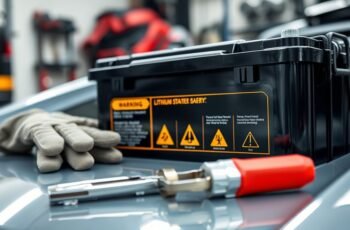
While lithium-ion batteries power much of our daily technology, their potential hazards demand strict safety measures. The difference between safe operation and a serious incident often hinges on proper handling, storage, and maintenance. We recognize the importance of minimizing risks and ensuring safety protocols are followed. To do so, it’s essential to grasp the best practices and warning signs that can prevent accidents before they happen. Let’s explore these critical safety tips together.
Key Takeaways
- Regularly inspect batteries for swelling, leaks, or damage before use or storage.
- Use chargers that match the battery’s voltage and current specifications.
- Store batteries in a cool, dry, fire-resistant container away from heat sources.
- Wear protective gear when handling damaged or leaking batteries to prevent chemical exposure.
- Follow manufacturer guidelines for charging, usage, and disposal to prevent safety hazards.
What Are Lithium-Ion Batteries and Why Safety Matters
Lithium-ion batteries are rechargeable energy storage devices that utilize lithium ions moving between the anode and cathode during charge and discharge cycles. The battery chemistry involves complex electrochemical reactions that enable high energy density and long cycle life. However, this chemistry also poses safety risks if improperly managed, such as thermal runaway or fires. Strict safety regulations govern the manufacturing, handling, and disposal of these batteries to mitigate hazards. Understanding the precise chemistry helps us appreciate why safety measures are critical; uncontrolled conditions can lead to internal short circuits or leakage. By adhering to established safety standards, we can prevent accidents and ensure reliable performance. Recognizing the importance of battery chemistry and safety regulations underscores why proper handling is vital for user safety.
How to Properly Handle and Inspect Batteries Before Use
Before using a lithium-ion battery, we perform a visual inspection to identify any physical damage, such as swelling, corrosion, or dents, which could compromise safety. We also verify that the charger and device are compatible with the battery’s specifications to prevent overcharging or electrical faults. Ensuring these checks are complete helps maintain peak performance and minimizes risk during operation.
Visual Battery Inspection
Conducting a thorough visual inspection of batteries prior to use is essential for ensuring safety and ideal performance. A careful visual examination helps identify signs of battery aging or damage that could compromise safety.
- Check for swelling, bulging, or deformation, which indicate internal gas buildup or damage.
- Inspect for corrosion or corrosion residue on terminals, which can hinder conductivity.
- Look for cracks, leaks, or discoloration on the casing, signaling potential failure or leakage risks.
- Assess the overall cleanliness; dirt or debris can affect connections and safety.
Check Charging Compatibility
How can we guarantee a battery is safe and compatible for charging? Ensuring proper charging compatibility involves verifying that the charger’s specifications match the battery’s parameters, especially battery voltage. Always check the battery’s rated voltage and compare it with the charger’s output voltage; mismatched voltages can cause overcharging or undercharging, risking damage or safety hazards. Confirm that the charger’s current output aligns with the manufacturer’s recommendations for the battery. Using incompatible chargers may result in excessive heat, capacity loss, or thermal runaway. Additionally, review the device’s datasheet for specific charging protocols. Properly matching charging compatibility safeguards the battery’s integrity, prolongs lifespan, and prevents potential safety issues associated with voltage mismatches or improper current delivery.
Best Practices for Charging Lithium-Ion Batteries Safely
Charging lithium-ion batteries safely requires adherence to specific best practices that minimize the risk of thermal runaway, overcharging, and other hazards. Proper charging techniques directly impact battery lifespan and charging speed.
- Use a charger with a built-in current and voltage regulation to prevent overcharging and thermal stress.
- Avoid fast charging unless explicitly supported, as rapid charging can degrade battery health over time.
- Keep charging sessions within manufacturer-recommended durations to maximize lifespan.
- Monitor temperature during charging; if the battery becomes excessively hot, discontinue charging immediately.
Following these practices guarantees safer charging, preserves battery integrity, and maintains ideal charging speed, ultimately extending the battery’s useful life.
Safe Storage Tips to Prevent Damage and Hazards
Proper storage of lithium-ion batteries is essential to prevent damage and hazards. We recommend placing batteries in a cool, dry environment and ensuring they are kept away from flammable materials. This approach minimizes the risk of thermal runaway and preserves battery integrity during storage.
Store in Cool, Dry Area
Storing lithium-ion batteries in a cool, dry environment is essential to maintaining their safety and performance. Proper temperature control and humidity levels prevent degradation and potential hazards. To optimize storage, consider these guidelines:
- Maintain an ambient temperature between 20-25°C (68-77°F) to avoid thermal stress.
- Keep humidity below 50% to prevent moisture-related damage.
- Store batteries away from direct sunlight or heat sources, which can cause temperature fluctuations.
- Use sealed containers or storage cabinets designed for electronics to regulate both temperature and humidity.
Adhering to these parameters minimizes the risk of capacity loss, swelling, or thermal runaway, ensuring safe, long-term storage and reliable performance.
Keep Away From Flammable Materials
To minimize the risk of fire or explosion, it’s essential that lithium-ion batteries are kept away from flammable materials during storage. Flammable materials considerably increase fire hazards if batteries malfunction or are damaged. Proper storage involves isolating batteries in fire-resistant containers or designated areas free from combustibles.
| Material Type | Storage Method | Risk Level |
|---|---|---|
| Paper and Cardboard | Keep in sealed, non-flammable containers | Moderate |
| Fabrics and Textiles | Store away from batteries in ventilated areas | High |
| Flammable Liquids | Completely separate, in approved cabinets | Very High |
| Plastics | Use fire-resistant bins | Moderate |
| Metal Compositions | Store in grounded, non-combustible enclosures | Low |
Avoiding contact with flammable materials reduces potential fire hazards considerably.
Recognizing Signs of Battery Damage or Malfunction
Battery damage or malfunction can often be identified through specific, observable signs that indicate a potential safety risk. Recognizing these signs early helps prevent accidents and ensures safety. Key indicators include:
- Battery swelling — noticeable bulging or deformation of the battery casing, which suggests internal pressure buildup.
- Corrosion signs — corrosion around terminals or connectors, indicating leakage or chemical degradation.
- Discoloration or leakage — leaking electrolyte or discoloration on the battery surface, signaling chemical instability.
- Unusual performance — rapid battery drain, failure to hold charge, or frequent shutdowns, often associated with internal damage.
Monitoring these signs diligently allows for timely action, reducing risks associated with damaged or malfunctioning lithium-ion batteries.
What to Do in Case of a Battery Overheat or Fire?
When a lithium-ion battery overheats or catches fire, immediate and determined action is critical to minimize damage and guarantee safety. Rapid response can prevent a battery explosion and contain hazards effectively. Use a Class D fire extinguisher designed for combustible metal fires, or smother with a non-flammable material like sand. Do not use water, as it can intensify the fire. Make certain the area is well-ventilated, and evacuate personnel if necessary. Keep a fire suppression plan accessible, and notify emergency responders promptly. Below is a visual guide for emergency response:
| Step | Action | Precaution |
|---|---|---|
| 1 | Isolate the battery | Prevent spread of fire |
| 2 | Use appropriate extinguishing method | Avoid water, use Class D extinguisher |
| 3 | Ventilate area | Reduce toxic fumes |
| 4 | Evacuate if necessary | Ensure personnel safety |
| 5 | Call emergency services | Professional intervention needed |
Choosing the Right Protective Equipment and Tools
Selecting appropriate protective equipment and tools is essential for ensuring safety during lithium-ion battery handling and emergency response. Proper gear minimizes exposure to hazards such as thermal runaway and chemical leaks. Key equipment includes:
- Protective gloves resistant to chemical and thermal exposure, ensuring skin protection from corrosive electrolytes and heat.
- Safety goggles that provide a secure seal around the eyes, preventing splashes or debris from causing injury.
- Fire-resistant clothing or aprons to shield against potential fires or chemical spills.
- Insulated tools designed to safely disconnect batteries without conducting electrical current.
Using these tools correctly reduces risk and enhances safety. Always verify the integrity and certification of protective gear before use, and follow manufacturer guidelines for proper handling procedures.
Disposal and Recycling of Lithium-Ion Batteries Responsibly
Proper disposal and recycling of lithium-ion batteries are critical to minimizing environmental impact and preventing hazards such as chemical leaks or fires. Ensuring batteries meet proper battery certification standards is essential for safe handling and disposal. Participating in certified recycling programs guarantees that batteries are processed according to environmental regulations and safety protocols. These programs safely extract valuable materials like lithium, cobalt, and nickel, reducing the need for virgin resource extraction. It’s crucial to avoid improper disposal methods, such as discarding batteries in regular trash, which pose risks of fire and pollution. By adhering to certified recycling programs, consumers and businesses contribute to responsible waste management, safeguard public health, and promote sustainability within the lithium-ion battery lifecycle.
Common Mistakes to Avoid for Safe Lithium-Ion Battery Use
To guarantee the safe use of lithium-ion batteries, it’s essential to recognize and avoid common mistakes that can compromise safety and battery longevity. Incorrect handling can lead to thermal runaway or damage caused by poor battery manufacturing processes. Additionally, neglecting proper charging practices can impair lithium chemistry stability.
- Using incompatible chargers or overcharging, which stresses the battery and risks thermal events.
- Exposing batteries to extreme temperatures, accelerating degradation of lithium chemistry.
- Physical damage or punctures, disrupting internal cell structure and risking short circuits.
- Ignoring manufacturer guidelines, which may overlook critical safety features or proper maintenance.
Avoiding these mistakes helps maintain battery integrity, safety, and lifespan, emphasizing the importance of understanding battery manufacturing nuances and lithium chemistry behavior.
Frequently Asked Questions
Can Lithium-Ion Batteries Be Safely Used in Extreme Temperatures?
We recognize that lithium-ion batteries can be safely used in extreme temperatures with proper temperature management and battery insulation. Maintaining ideal conditions prevents thermal runaway, ensuring safe operation and prolonging battery lifespan under challenging environmental factors.
What Are the Specific Risks of Overcharging Lithium-Ion Batteries?
Did you know overcharge hazards cause nearly 40% of lithium-ion battery failures? Overcharging leads to battery overheating, which can cause thermal runaway, fires, or explosions, emphasizing the importance of proper charging practices to prevent critical safety risks.
How Do I Identify Counterfeit or Substandard Lithium-Ion Batteries?
We identify counterfeit or substandard lithium-ion batteries through careful battery manufacturing analysis, examining label authenticity, serial numbers, and packaging quality, and utilizing advanced counterfeit detection techniques, ensuring safety and reliability before purchase or use.
Are There Safety Differences Between Various Lithium-Ion Battery Brands?
We find safety differences between lithium-ion battery brands due to variations in brand reliability and adherence to battery certifications, which guarantee quality control, consistent performance, and reduced risks of overheating, leakage, or failure during use.
What Are the Legal Regulations for Lithium-Ion Battery Disposal?
We follow strict disposal guidelines, ensuring lithium-ion batteries are safely recycled to prevent hazards. Regulations mandate proper battery recycling practices, emphasizing environmentally responsible disposal, and adherence to legal standards to avoid penalties and environmental damage.
Conclusion
By following these lithium-ion battery safety tips, we can prevent disasters that could rival a fireworks explosion or a small volcanic eruption. Proper handling, storage, and disposal aren’t just precautions—they’re lifesaving measures that protect us from catastrophic failures, fires, or environmental hazards. Let’s treat these batteries with the respect they demand, ensuring our safety and the planet’s well-being. After all, a tiny battery can cause a colossal catastrophe if mishandled—so stay vigilant and safe.