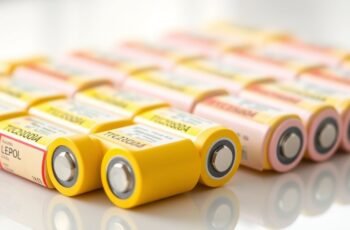
Imagine the calm precision of a well-calibrated instrument, where every component plays a critical role in performance. Choosing the right marine lithium battery requires this same level of attention to detail, balancing technical specifications with safety standards and environmental resilience. As we navigate these considerations, you’ll find that understanding the nuances of capacity, chemistry, and compatibility is essential to making an informed decision that guarantees your vessel’s reliable power supply.
Key Takeaways
- Match capacity and power ratings with your vessel’s energy and load demands for optimal performance.
- Prioritize batteries with certifications (UL, IEC, CE) and safety features like overcharge protection and thermal management.
- Choose chemistry types (e.g., LFP, NMC) based on safety, longevity, and environmental considerations.
- Assess durability against corrosion, temperature, and vibrations to ensure long-term reliability in marine conditions.
- Consider environmental sustainability, recyclability, and warranty support when selecting a cost-effective, eco-friendly option.
What Are Marine Lithium Batteries and Why Are They Popular?
Marine lithium batteries are advanced energy storage solutions specifically designed for maritime applications, offering significant improvements over traditional lead-acid options. Their high energy density, fast charging capabilities, and long cycle life make them ideal for marine navigation systems, ensuring reliable power during extended voyages. These batteries are lightweight and compact, reducing vessel weight and improving fuel efficiency. Their stable voltage output enhances navigation accuracy and safety. Additionally, their environmentally friendly design minimizes impacts on coastal ecosystems by reducing toxic waste and emissions associated with lead-acid batteries. As a result, marine lithium batteries are increasingly favored for sustainable, high-performance vessel operations, providing dependable power that supports both navigation precision and the protection of delicate coastal environments.
Key Factors to Consider When Choosing a Marine Lithium Battery
When selecting a marine lithium battery, we focus on capacity and power output to guarantee it meets our energy demands. Durability and resistance to harsh marine conditions are critical for long-term reliability, while safety features and certifications guarantee secure operation. Evaluating these factors helps us choose a battery optimized for performance and safety in marine environments.
Battery Capacity and Power
Choosing the right lithium battery for marine applications hinges critically on understanding its capacity and power output. Capacity determines how long your system can operate, while power indicates the maximum load it can sustain. Battery chemistry influences both factors, affecting efficiency and performance. Proper charging methods guarantee maximum capacity utilization and longevity.
| Specification | Description |
|---|---|
| Capacity (Ah) | Total charge storage, impacts runtime |
| Power (W or kW) | Maximum load the battery can support at once |
| Chemistry Type | Lithium-ion variants (e.g., NMC, LFP) affect performance |
| Charging Methods | Suitable chargers optimize capacity and lifespan |
| Discharge Rate | Influences how quickly the battery can deliver energy |
Understanding these parameters guarantees the best selection for your marine power needs.
Durability and Resistance
Durability and resistance are fundamental factors in selecting a marine lithium battery, as they directly impact its performance and lifespan in harsh maritime environments. Marine corrosion poses a significant threat, so high-quality batteries incorporate corrosion-resistant materials, especially in terminals and casing. Resistance to temperature fluctuations and vibrations ensures consistent operation over extended periods. Additionally, durability encompasses the battery’s ability to withstand repeated charge and discharge cycles, which is essential for long-term reliability. We also consider environmental factors like marine salt exposure, which accelerates degradation. Proper battery recycling protocols are indispensable for sustainable use, preventing environmental harm and maintaining performance standards. Selecting a battery engineered for resistance to marine corrosion and designed with recyclability in mind ensures lasting durability and environmental responsibility.
Safety Features and Certifications
Have you considered how safety features and certifications guarantee the reliability and security of a marine lithium battery? Essential safety features include integrated thermal management, overcharge protection, and short-circuit prevention, which mitigate risks during marine charging. Certifications such as UL, IEC, and CE ensure the battery meets rigorous safety standards, confirming stability and safe operation in marine environments. These certifications also verify compliance with regulations on battery recycling, minimizing environmental impact and promoting sustainable disposal practices. Reliable safety features prevent thermal runaway and potential fires, vital in confined marine spaces. Prioritizing certified batteries with extensive safety measures ensures secure performance, protecting both your vessel and crew while supporting environmentally responsible battery recycling practices.
How to Determine the Right Capacity and Power Output for Your Boat
Determining the appropriate battery capacity and power output requires precise calculation of your boat’s energy consumption. We analyze your electrical load to identify the total power needs and select a capacity that guarantees reliable performance. Accurate assessment prevents under- or over-specification, optimizing both safety and efficiency.
Calculating Power Needs
To accurately select the appropriate lithium battery capacity for your boat, we must first assess your specific power requirements based on the equipment and systems you intend to operate. This involves calculating the total energy consumption by summing the wattage of each device and factoring in their usage duration. Understanding your peak power demand guarantees the battery can handle sudden load spikes. Proper calculation minimizes overcapacity, reducing resource waste and the environmental impact associated with battery recycling. Additionally, precise power needs help optimize lifespan and performance, preventing premature battery failure. By accurately estimating consumption, we support sustainable practices by avoiding unnecessary battery production, thereby contributing to environmental stewardship. This technical approach ensures a balanced, efficient power system tailored to your vessel’s operational demands.
Choosing Suitable Capacity
How can you guarantee your lithium battery capacity aligns precisely with your boat’s energy demands? The key lies in understanding your power consumption patterns and leveraging advanced battery technology for capacity optimization. To select the right capacity, we analyze your typical load, considering both peak and continuous power needs. This ensures the battery can handle high-demand periods without failure. Accurate capacity selection minimizes over-specification, reducing weight and cost. When evaluating options, focus on:
- Precise calculations of daily energy consumption based on equipment and usage
- The battery’s depth of discharge (DoD) limits to extend lifespan
- The balance between capacity and power output to meet peak demands efficiently
This approach guarantees optimal performance, longevity, and safety for your marine power system.
Understanding Battery Chemistry and Types of Marine Lithium Batteries
Understanding the chemistry behind marine lithium batteries is essential for selecting the right type for your vessel, as it directly influences performance, safety, and longevity. Lithium-ion battery chemistries, such as Lithium Iron Phosphate (LiFePO4) and Lithium Nickel Manganese Cobalt (NMC), differ in stability, energy density, and lifespan. LiFePO4 offers enhanced thermal stability and safety, reducing risks during operation, while NMC provides higher energy density for extended use. The choice impacts environmental impact, especially considering battery recycling processes essential for minimizing waste and toxic material release. Recognizing these chemical differences helps distinguish between batteries that are more eco-friendly and durable, ensuring peak performance and responsible disposal. Understanding these factors is crucial for making informed, sustainable investments in marine power systems.
Safety Features to Look for in Marine Lithium Batteries
Safety features are critical when selecting marine lithium batteries, especially overcharge protection mechanisms that prevent voltage spikes and thermal runaway. Fire-resistant materials further reduce the risk of combustion in case of failure. Ensuring these safety components are integrated can substantially enhance overall battery reliability and vessel safety.
Overcharge Protection Mechanisms
Overcharge protection is a critical safety feature in marine lithium batteries, as it prevents the cell voltage from exceeding safe limits during charging. This mechanism is essential for maintaining overcharge safety and prolonging battery lifespan. Effective overcharge protection mitigates risks of thermal runaway, capacity loss, and potential damage to the battery pack.
Key features include:
- Integrated BMS (Battery Management System): Monitors cell voltages and disconnects charging at preset thresholds.
- Automatic Cut-off Switches: Triggered once voltage exceeds safe limits, preventing overcharge.
- Voltage Regulation Modules: Guarantee consistent charging voltage, avoiding overvoltage scenarios.
Incorporating these mechanisms guarantees maximum safety, extends battery lifespan, and maintains performance integrity during marine operations.
Fire-Resistant Materials
Given the inherent risks associated with lithium battery fires, selecting marine lithium batteries built with fire-resistant materials is essential for marine safety. Fire-resistant materials in batteries help contain thermal runaway, preventing the spread of flames and reducing damage during a thermal event. High-quality marine lithium batteries incorporate components such as fire-retardant separators, flame-resistant casings, and thermal barriers that inhibit fire propagation. These materials are engineered to withstand high temperatures and prevent ignition of internal components. Ensuring the use of fire-resistant materials enhances overall marine safety by minimizing fire hazards and ensuring battery stability under demanding conditions. When choosing batteries, verify that fire-resistant construction features are integrated, providing a critical layer of protection for vessel occupants and onboard equipment.
How to Evaluate Durability and Lifespan for Marine Use
When evaluating the durability and lifespan of marine lithium batteries, it’s vital to take into account their cycle life, capacity retention over time, and resistance to environmental factors such as moisture and temperature fluctuations. A higher cycle life indicates more charge-discharge cycles before capacity diminishes substantially, extending operational life. Capacity retention reflects how well the battery maintains its initial capacity after prolonged use. Environmental resilience is essential in marine settings, where moisture, salt exposure, and temperature variations are common. Additionally, consider the battery’s recyclability, which impacts its environmental footprint and overall sustainability. Proper assessment ensures minimal environmental impact through responsible battery recycling, supporting eco-friendly marine power solutions. Focus on these factors to select a durable, long-lasting marine lithium battery.
Compatibility With Your Boat’s Electrical System and Accessories
Ensuring compatibility between your marine lithium battery and your boat’s electrical system is essential for safe and reliable operation. Verify that the battery’s voltage, capacity, and current ratings align with your system’s specifications to prevent overloads or underperformance. Additionally, check that your existing accessories and charging systems are compatible with lithium technology to avoid potential damage. Proper integration reduces the risk of electrical faults and maximizes efficiency. It’s important to contemplate the environmental impact, including proper battery recycling at end-of-life, to minimize ecological harm. Using compatible, environmentally conscious batteries supports sustainability and regulatory compliance. Ultimately, meticulous compatibility assessment guarantees ideal performance, safety, and responsible disposal, safeguarding both your vessel and the environment.
Setting a Budget: Finding Quality Marine Lithium Batteries Within Your Price Range
Setting a budget for marine lithium batteries requires balancing cost considerations with quality and performance. Effective budget planning involves identifying a price range that aligns with your vessel’s energy demands and ensuring the battery’s durability. Conducting thorough price comparison across reputable brands helps avoid overpaying for features that may not be necessary. Key factors to take into account include capacity, cycle life, and warranty coverage, which influence long-term value. By establishing clear priorities within your financial limits, you can select batteries that meet technical specifications without compromising reliability. Remember, investing in a higher-quality battery initially can reduce replacement costs and maintenance over time, ultimately providing better value. Prioritize transparency and detailed specifications during your price comparison process to make informed purchasing decisions.
Installation Tips and Maintenance for Long-Lasting Performance
Proper installation and regular maintenance are essential to maximizing the lifespan and performance of marine lithium batteries. Ensuring correct wiring, secure connections, and proper ventilation prevents overheating and damage. Routine inspections should check for corrosion, swelling, or leaks. A well-maintained battery reduces environmental impact by promoting efficient operation and facilitating responsible battery recycling at end-of-life. To illustrate, consider the following setup:
| Component | Maintenance Action |
|---|---|
| Terminal connections | Tighten and clean to prevent corrosion |
| Ventilation areas | Keep clear for heat dissipation |
| Battery casing | Inspect for cracks or swelling |
Consistent care minimizes performance degradation, supports environmental sustainability, and prolongs battery life, ensuring reliable marine operation.
Common Questions About Marine Lithium Batteries and Their Solutions
Many boat owners have questions about marine lithium batteries, particularly regarding their safety, performance, and compatibility with existing systems. Concerns often focus on how these batteries support reliable marine navigation during coastal cruising and long voyages. Proper understanding guarantees peak performance and safety.
Key points include:
- Compatibility with existing charging systems and voltage requirements
- Safety features like thermal management and overcharge protection
- Performance consistency during prolonged marine navigation and demanding coastal cruising conditions
Addressing these questions involves evaluating battery chemistry, installation protocols, and system integration. Marine lithium batteries offer superior energy density and longevity, making them ideal for critical navigation systems. Ensuring compatibility and safety maximizes their benefits during all marine operations.
Frequently Asked Questions
How Do Marine Lithium Batteries Compare to Traditional Lead-Acid Batteries?
Marine lithium batteries offer higher battery capacity, faster charging methods, and longer lifespan compared to traditional lead-acid batteries. We find their efficiency and lightweight design advantageous, making them a superior choice for demanding marine applications.
Can Marine Lithium Batteries Be Used for All Boat Types?
We believe marine lithium batteries suit most boat types due to their charging compatibility and eco-friendly battery recycling options, but always verify specific capacity and system requirements to guarantee peak performance across diverse vessel designs and electrical setups.
What Warranties Are Typically Offered With Marine Lithium Batteries?
About 90% of marine lithium batteries offer warranties averaging 5 years, covering defects and performance issues. Battery recycling is often included, ensuring environmental responsibility. We recommend reviewing warranty coverage details for specific models and manufacturers.
Are Marine Lithium Batteries Environmentally Friendly?
Marine lithium batteries are eco-friendly due to eco-friendly manufacturing processes, which reduce environmental impact, and their design facilitates recycling and disposal, minimizing ecological harm. We find them a sustainable choice for environmentally conscious boaters seeking reliable power.
How Do Temperature Extremes Affect Marine Lithium Battery Performance?
Temperature extremes can substantially impact marine lithium battery performance; proper battery insulation and thermal regulation are crucial to maintain ideal operation, prevent capacity loss, and guarantee safety during both hot and cold conditions.
Conclusion
In the end, choosing the perfect marine lithium battery isn’t just about specs—it’s about balancing safety, capacity, and budget. We’ve seen how easy it is to overlook essential details, only to face costly surprises. So, while it might seem intimidating, approaching it with a clear, informed plan guarantees your vessel stays powered safely and reliably. After all, nothing beats the irony of having all the power you need, just when you don’t need it—unless it’s on your boat.