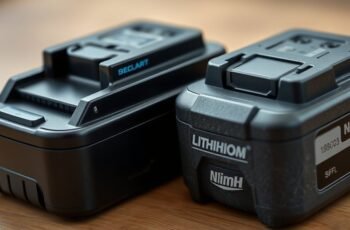
Studies show that lithium batteries can be up to 70% lighter than traditional lead-acid options, considerably impacting motorcycle performance and handling. As we examine the various models and features available, it becomes clear that choosing the right lithium starter battery involves analyzing safety, compatibility, and durability. Understanding these factors is vital for optimizing both reliability and efficiency, making it essential to compare options carefully before making a decision that could influence your motorcycle’s overall performance.
Key Takeaways
- Compare battery chemistry, focusing on lithium iron phosphate (LiFePO4) for safety and stability.
- Assess capacity and cranking amps (CCA) to ensure reliable motorcycle starting performance.
- Evaluate durability features like vibration resistance and lifespan over 2000 cycles.
- Check compatibility with motorcycle model, size, voltage, and connection types.
- Consider safety protections, environmental sustainability, and manufacturer certifications or warranties.
What Are the Benefits of Using a Lithium Starter Battery for Your Motorcycle
While traditional lead-acid batteries have served motorcyclists well for decades, lithium starter batteries offer significant advantages regarding performance and efficiency. They provide higher energy density, lighter weight, and faster charging times, enhancing overall motorcycle operation. Additionally, lithium batteries have a longer lifespan, reducing replacement frequency. When considering environmental impact, lithium batteries support more sustainable practices, especially with improved battery recycling methods that mitigate hazardous waste concerns. The lower environmental footprint stems from reduced material consumption and fewer emissions during manufacturing and disposal. These factors make lithium starter batteries not only a technical upgrade but also an eco-friendly choice, aligning with broader sustainability efforts. Their benefits extend beyond performance, contributing positively to environmental conservation and responsible battery management.
Key Factors to Consider When Choosing a Motorcycle Lithium Battery
When selecting a motorcycle lithium battery, understanding the key factors that influence performance and compatibility is essential to making an informed decision. Critical considerations include battery chemistry, which affects energy density and longevity, and safety precautions, essential due to lithium’s potential hazards.
Key factors to evaluate are:
- Battery Chemistry – Confirm it’s lithium iron phosphate (LiFePO4) for stability and safety.
- Capacity and CCA – Verify adequate cranking amps and capacity for your motorcycle’s requirements.
- Safety Precautions – Choose batteries with built-in protections like overcharge, over-discharge, and thermal safeguards to mitigate risks.
Prioritizing these factors helps optimize performance while maintaining safety and reliability.
Comparing Top Motorcycle Lithium Starter Batteries: Features and Performance
When evaluating top motorcycle lithium starter batteries, we prioritize metrics like battery life, durability, and power output to guarantee reliable performance. Compatibility with various motorcycle models is also vital to maximize efficiency and prevent potential issues. By analyzing these core features, we can identify batteries that offer ideal longevity and consistent power delivery.
Battery Life and Durability
Evaluating the battery life and durability of top motorcycle lithium starter batteries requires a detailed comparison of their core specifications and real-world performance metrics. Longevity depends on cycle life, with premium models offering upwards of 2000 cycles, ensuring sustained performance. Durability also involves resistance to vibration and temperature fluctuations, critical for harsh riding conditions. Additionally, the environmental impact is a key factor, with batteries designed for easier battery recycling reducing ecological footprints. Features like robust internal circuitry and protective casing extend operational lifespan.
- Cycle life and charge retention stability
- Resistance to vibration and temperature extremes
- Design considerations for battery recycling and environmental sustainability
Power Output and Compatibility
How do top motorcycle lithium starter batteries compare regarding power output and compatibility? These batteries deliver high cranking amps essential for reliable starts across various motorcycle models. Power output is primarily determined by the battery’s capacity and internal design, influenced by manufacturing processes that maximize electrode efficiency. Compatibility hinges on precise voltage and physical fit; well-designed batteries feature standardized connections and form factors, ensuring seamless integration with different motorbikes. Design aesthetics also play a role, with sleek, compact profiles fitting modern motorcycle aesthetics while maintaining performance. Advanced manufacturing techniques enhance consistency in power delivery and compatibility, resulting in batteries that are both robust and versatile. Ultimately, selecting a battery with ideal power output and compatibility depends on understanding these technical nuances within the context of design and production quality.
How to Install and Maintain Your Motorcycle Lithium Battery
Installing and maintaining your motorcycle lithium battery requires careful attention to detail to guarantee peak performance and longevity. Proper installation involves ensuring correct polarity, secure connections, and compatible mounting brackets to prevent vibration damage. Regular maintenance includes monitoring voltage levels and cleaning terminals to prevent corrosion. When disposing of the battery, adhere to local regulations to minimize environmental impact, as lithium batteries contain hazardous materials. Dispose of used batteries responsibly through authorized recycling centers, avoiding landfills. Additionally, inspecting the battery periodically helps detect early signs of degradation that could compromise safety or performance. Proper installation and routine checks optimize battery lifespan while supporting environmentally conscious practices, reducing waste and potential hazards associated with improper battery disposal.
Common Issues With Lithium Batteries and How to Troubleshoot Them
We observe that lithium batteries can encounter issues such as inadequate charging, voltage fluctuations, and connection problems. Diagnosing these problems requires precise measurement of voltage levels and inspection of terminal integrity. By understanding these failure modes, we can implement targeted troubleshooting strategies to maintain peak performance.
Battery Not Charging Properly
Why does a lithium motorcycle battery sometimes fail to charge properly? Several factors contribute, notably issues with charging cables, battery corrosion, and connection integrity. Poor contact or damaged cables can impede current flow, preventing proper charging. Corrosion at terminals, often caused by moisture or acid buildup, increases resistance, reducing effective charge transfer. Confirming clean, tight connections is essential. Additionally, inspecting charging cables for fraying or damage helps prevent voltage drops. Regular maintenance to remove corrosion and verify cable integrity minimizes these problems. Ultimately, a combination of faulty cables and corrosion disrupts the charging process, leading to incomplete or failed charging cycles. Addressing these issues through proper inspection and maintenance ensures peak battery performance and longevity.
Voltage Fluctuation Issues
Voltage fluctuations in lithium motorcycle batteries are a common issue that can signal underlying problems with the battery’s health or connections. These fluctuations compromise voltage stability, leading to inconsistent engine starting and potential electronic failures. To troubleshoot, first measure voltage regularly under different load conditions; significant fluctuation indicates instability. Fluctuation mitigation involves guaranteeing the battery is fully charged, maintained within recommended temperature ranges, and free from parasitic drains. Additionally, verifying that the battery management system (BMS) is functioning correctly helps maintain voltage stability by balancing cells and preventing over-discharge. If fluctuations persist despite these measures, it may point to internal degradation or faulty components, requiring further testing or replacement. Addressing these issues proactively helps extend the lithium battery’s lifespan and ensures reliable motorcycle performance.
Connection and Terminals Problems
Connection and terminal issues are frequent causes of performance problems in lithium motorcycle batteries, often resulting from loose, corroded, or damaged contacts. Connector corrosion can impede electrical flow, while insufficient terminal tightening increases resistance, causing starting failures. Proper inspection and maintenance are vital for peak performance.
Key troubleshooting steps include:
- Inspecting for connector corrosion and cleaning contacts with a wire brush or contact cleaner.
- Ensuring terminal tightening is secure without over-tightening, which can damage connectors.
- Replacing damaged or corroded terminals to restore proper connections.
Addressing these issues prevents voltage drops and improves reliability. Regular maintenance, including tight connections and corrosion prevention, is essential for consistent battery performance and longevity.
Final Tips for Selecting the Best Motorcycle Lithium Starter Battery
When selecting the ideal motorcycle lithium starter battery, it’s vital to evaluate several essential factors to guarantee compatibility and performance. Battery safety should be a top priority; ensure the battery has robust protection circuits to prevent overcharging, overheating, and short circuits. Additionally, consider the environmental impact—opt for batteries with eco-friendly construction and recyclable materials to minimize ecological footprint. Compatibility with your motorcycle’s specifications, including size, voltage, and terminal configuration, is key for maximum operation. Pay attention to the battery’s discharge rate and capacity, ensuring it meets your riding demands. Finally, assess the manufacturer’s safety certifications and warranty coverage, which reflect reliability and commitment to safety standards. Making informed choices based on these factors leads to enhanced performance and responsible ownership.
Frequently Asked Questions
Are Lithium Batteries Environmentally Friendly Compared to Traditional Lead-Acid Batteries?
We believe lithium batteries have a lower environmental impact than lead-acid ones due to cleaner manufacturing and fewer toxic materials, but recycling processes are essential for minimizing environmental harm, ensuring sustainable disposal, and reducing resource depletion.
How Long Do Lithium Motorcycle Batteries Typically Last?
Lithium motorcycle batteries typically last 3 to 5 years, enduring numerous charging cycles; proper battery recycling and mindful charging extend lifespan, ensuring efficient performance and environmental responsibility, aligning with technical standards and analytical longevity expectations.
Can Lithium Batteries Be Used in All Motorcycle Models?
We believe lithium batteries can suit most motorcycle models if they meet voltage compatibility; however, it’s vital to take into account battery recycling options and guarantee proper integration to prevent compatibility issues, optimizing performance and safety across diverse motorcycle systems.
What Safety Precautions Should I Take With Lithium Motorcycle Batteries?
We recommend handling lithium batteries with care, ensuring proper battery charging practices, avoiding overcharging, using designated chargers, and maintaining fire safety protocols, including keeping a fire extinguisher nearby and avoiding exposure to heat or sparks.
Are Lithium Batteries More Expensive Than Traditional Lead-Acid Options?
We find lithium batteries generally more expensive than lead-acid options when considering cost comparison, but they often offset initial costs with longer lifespan and lighter weight. Installation challenges are minimal, though proper handling and compatibility checks are essential.
Conclusion
In choosing a lithium starter battery, quality and safety often outweigh cost, much like precision engineering surpasses mere affordability. While cheaper options may seem appealing, they often compromise durability and performance, risking long-term reliability. Conversely, investing in a high-quality, certified lithium battery guarantees consistent power delivery and resilience against vibration and temperature extremes. Ultimately, the right balance of advanced features and rigorous testing provides not just a start, but peace of mind—making it the smarter, more sustainable choice for serious riders.