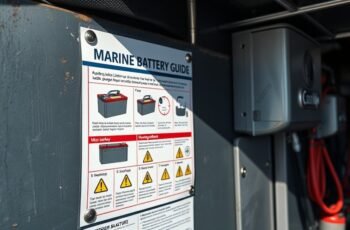
Ensuring safe storage of lithium batteries is essential to prevent degradation, safety hazards, and environmental impacts. We recognize that maintaining proper temperature, humidity, and handling protocols is critical, but the specifics can be complex. By following established practices, we can reduce risks such as thermal runaway or chemical leaks. The key lies in understanding the nuances of storage environments and proper procedures—details that are crucial to safeguarding both people and equipment.
Key Takeaways
- Store batteries at 15°C–25°C with humidity below 50% and ensure proper ventilation to prevent moisture and temperature-related risks.
- Charge batteries to 30–50% (3.7–3.8V per cell) before storage and inspect regularly every 3–6 months.
- Use non-conductive, insulated, vented containers to prevent short circuits and physical damage.
- Handle batteries with appropriate personal protective equipment and avoid puncturing or crushing.
- Follow local regulations for disposal and recycling at certified facilities to minimize environmental and safety hazards.
Understanding Lithium Batteries and Storage Risks
Lithium batteries are energy storage devices that utilize lithium-ion chemistry to deliver high power density and long cycle life. This chemistry involves intercalating lithium ions within electrode materials, which makes them efficient but sensitive to environmental conditions. Storage risks primarily stem from thermal runaway, short circuits, and mechanical damage, which can lead to fires or explosions. Proper handling of battery chemistry is essential, especially during storage, to prevent degradation or hazardous failures. The choice of storage containers plays a key role in mitigating these risks; they must be non-conductive, resistant to corrosion, and capable of maintaining stable temperatures. Understanding these factors helps guarantee safe storage practices, minimizing the potential for accidents caused by chemical instability or external damage to the batteries.
Choosing the Right Storage Environment for Lithium Batteries
Selecting an appropriate storage environment is essential to maintaining lithium battery safety and longevity. Precise temperature control prevents thermal degradation and reduces the risk of thermal runaway. Ideally, storage temperatures should remain between 20°C and 25°C, avoiding extreme heat or cold that can impair battery chemistry. Humidity regulation is equally critical; high humidity levels promote corrosion and compromise internal components, so environments should be kept below 50% relative humidity. Proper ventilation is necessary to prevent moisture buildup. Consistent environmental conditions minimize capacity loss and prevent safety hazards. By controlling temperature and humidity effectively, we guarantee that lithium batteries remain stable over time, reducing the likelihood of failure or safety incidents during storage.
Proper Handling and Preparation Before Storage
Before storing lithium batteries, we must carefully inspect each unit for damage, swelling, or corrosion to guarantee safety. We also need to charge the batteries to a recommended safe level—typically around 30-50%—to prevent capacity loss or risk during storage. Proper handling and preparation are critical steps to maintain battery integrity and safety over time.
Inspect Batteries Carefully
Have you thoroughly examined each battery prior to storage? Proper inspection guarantees safety and longevity. Check for any signs of damage, swelling, or leakage, as these indicate compromised cells. Confirm that battery labeling is clear and correct, facilitating accurate identification later. Make certain batteries are placed in appropriate storage containers that prevent short circuits and physical damage. Proper labeling on storage containers aids in tracking and handling, reducing risk during retrieval. Use the following considerations:
| Inspection Focus | Purpose |
|---|---|
| Battery Condition | Detect damage or leakage |
| Label Accuracy | Confirm proper identification |
| Storage Container | Prevent physical damage and short circuits |
Meticulous inspection minimizes hazards and maintains battery integrity before storage.
Charge to Safe Level
Ensuring batteries are charged to an appropriate level before storage is critical to maintaining their health and safety. We recommend charging lithium batteries to approximately 40-60% of their maximum capacity, which corresponds to a battery voltage around 3.7-3.8V per cell. This level minimizes capacity loss and prevents over-discharge. Additionally, proper handling involves considering storage temperature; batteries should be stored in a cool, dry environment, ideally between 15°C and 25°C, to prevent voltage fluctuations and degradation. Before long-term storage, verify that the battery voltage remains within safe limits, as excessive discharge or overcharge can lead to safety hazards. Precise control of charge level and storage temperature is essential for preserving battery integrity and ensuring safety upon future use.
Best Practices for Long-Term Lithium Battery Storage
When storing lithium batteries for the long term, maintaining ideal conditions is essential to preserve their capacity and safety. Proper storage involves keeping batteries at approximately 40–50% charge, in a temperature-controlled environment around 15°C (59°F). Using a suitable storage container prevents physical damage and minimizes exposure to moisture, which can degrade the battery. Consistent temperature and humidity control directly extend battery lifespan, reducing capacity loss over time.
| Storage Condition | Specification |
|---|---|
| State of Charge | 40–50% |
| Temperature | 15°C (59°F) |
| Humidity | Below 50% |
| Container Type | Insulated, vented |
| Periodic Checks | Every 3–6 months |
Monitoring and Maintaining Stored Batteries Safely
Regularly monitoring stored lithium batteries is essential to detect potential issues early and maintain safety. We recommend implementing continuous voltage and temperature monitoring to identify abnormal changes. Ensuring proper battery encryption prevents unauthorized access and tampering, enhancing security during storage. The durability of the storage container plays a vital role; inspect for signs of corrosion, deformation, or material degradation that could compromise safety. Regularly verify the integrity of battery connections and terminal conditions to prevent short circuits. Utilize sensors and data loggers to track storage conditions over time, enabling prompt intervention if parameters deviate from safe ranges. Maintaining rigorous documentation supports compliance and facilitates ongoing safety management. Proper monitoring and maintenance practices mitigate risks associated with lithium battery storage, ensuring long-term safety and performance.
Identifying and Preventing Common Storage Hazards
Identifying and preventing common storage hazards is critical to maintaining lithium battery safety. Variations in battery chemistry can influence susceptibility to thermal runaway, so understanding specific chemical characteristics helps mitigate risks. Improper storage containers can lead to physical damage, chemical leaks, or short circuits; therefore, selecting appropriately rated, non-conductive, and fire-resistant containers is essential. Overcharging, deep discharging, and exposure to extreme temperatures can compromise battery integrity, increasing the hazard of fire or explosion. Ensuring containers are sealed and stored in a cool, dry environment reduces these risks. Regular inspection for corrosion, swelling, or leaks is vital for early hazard detection. By understanding battery chemistry and using suitable storage containers, we can prevent many common hazards associated with lithium battery storage.
Tips for Safe Disposal and Recycling of Lithium Batteries
Proper disposal and recycling of lithium batteries are essential to prevent environmental hazards and safety risks. We recommend following designated disposal methods and locating certified recycling facilities before handling used batteries. Additionally, implementing safety precautions during handling minimizes the risk of thermal incidents and leaks.
Proper Disposal Methods
When disposing of lithium batteries, it’s essential to follow established procedures to prevent environmental contamination and safety hazards. Proper disposal methods prioritize safety and facilitate effective battery recycling. To ensure disposal safety, consider these critical steps:
- Avoid puncturing or crushing batteries to prevent thermal events.
- Store used batteries in non-conductive, insulated containers until disposal.
- Contact certified recycling facilities equipped for lithium battery processing.
- Follow local regulations for hazardous waste disposal to minimize environmental impact.
Adhering to these procedures supports effective battery recycling and minimizes risks associated with improper disposal. Understanding and implementing proper disposal methods helps protect both public safety and the environment, making it an essential component of responsible lithium battery management.
Recycling Facility Locations
Locating certified recycling facility locations is a key step in guaranteeing the safe disposal and effective recycling of lithium batteries. Authorized recycling centers and battery collection centers are equipped to handle lithium batteries safely, minimizing environmental and safety risks. It’s essential to verify that these facilities comply with regional regulations and follow proper procedures for hazardous material processing. Using official databases or government resources can help identify nearby recycling facility locations. Proper disposal at these centers prevents potential thermal runaway and chemical leakage, which can occur if batteries are discarded improperly. Additionally, utilizing certified collection points ensures batteries are managed by trained personnel, reducing the risk of accidents. Accurate identification of these facilities is crucial for environmentally responsible and safe lithium battery recycling practices.
Safety Precautions During Handling
Handling lithium batteries safely is essential to prevent accidents and environmental hazards during disposal and recycling. Proper safety precautions minimize risks associated with handling emergencies, such as thermal runaway or leaks. Always wear appropriate protective equipment, including gloves, eye protection, and acid-resistant clothing, to prevent contact with hazardous materials. Confirm batteries are stored in a non-conductive container and kept in a cool, dry area away from flammable materials. Avoid puncturing, crushing, or short-circuiting batteries, which can trigger fires or explosions. When handling, prioritize safe procedures, and be prepared for emergencies by having fire extinguishers rated for electrical fires nearby. These measures protect personnel and ensure environmentally responsible disposal practices.
Frequently Asked Questions
How Often Should I Inspect Stored Lithium Batteries?
We inspect stored lithium batteries monthly to monitor for signs of swelling, leakage, or corrosion, ensuring ideal battery lifespan. Using appropriate storage container options, we maintain a controlled environment to prevent degradation and safety hazards.
What Temperature Fluctuations Are Safe for Lithium Battery Storage?
We understand keeping temperature fluctuations within ±10°C guarantees temperature stability, preserving voltage consistency and battery longevity. Staying vigilant with controlled environments helps us avoid surprises, because a stable climate keeps lithium batteries performing reliably and safely over time.
Can Lithium Batteries Be Stored Together With Other Chemicals?
We advise against storing lithium batteries with other chemicals due to chemical compatibility concerns, which compromise storage safety. Mixing incompatible substances can cause reactions, leaks, or fires, so separate storage is essential for maintaining safe conditions.
How Do I Safely Transport Lithium Batteries for Storage or Disposal?
Transport lithium batteries in specialized battery packaging to prevent short circuits, and always follow emergency protocols. Proper handling minimizes risks, ensuring safe storage or disposal, and protects both personnel and environment during transit.
Are There Specific Storage Guidelines for Different Lithium Battery Types?
We follow specific storage guidelines for different lithium battery types, ensuring proper battery recycling and adherence to charging protocols. This prevents hazards, maintains safety, and optimizes battery longevity, aligning with industry standards for technical precision.
Conclusion
By adhering to these storage practices, we guarantee lithium batteries remain safe and reliable over time. Maintaining ideal conditions not only prevents hazards but also aligns with environmental stewardship through proper disposal and recycling. The coincidence of meticulous handling and vigilant monitoring underscores our commitment to safety and sustainability. Ultimately, disciplined storage practices serve as a safeguard—protecting both personnel and the environment—while extending the lifespan and performance of lithium batteries in our systems.