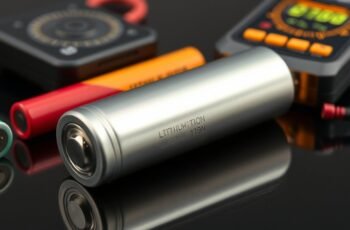
When selecting the ideal LiPo battery for FPV drones, we recognize the importance of balancing high discharge rates, lightweight design, and durability to maintain peak performance. Recognizing that each drone has specific power and weight requirements, we must consider various technical factors, including voltage, capacity, and C ratings. Exploring the nuances of these specifications reveals critical insights that can greatly impact flight stability and safety, prompting us to examine the most effective options available.
Key Takeaways
- Prioritize high C-rated LiPo batteries for optimal power delivery during aggressive FPV maneuvers.
- Choose batteries with a good balance of weight, size, and capacity to enhance flight time and agility.
- Select reputable brands like Tattu or Gens Ace for reliability, safety, and consistent performance.
- Ensure proper handling, storage, and regular inspection to maintain battery safety and longevity.
- Match battery voltage and capacity with your drone’s specifications for optimal performance and safety.
How Do Lithium Polymer Batteries Power FPV Drones?
Although lithium polymer (LiPo) batteries are compact and lightweight, their primary role in powering FPV drones involves delivering high current output with minimal voltage drop. The battery chemistry of LiPo cells enables rapid energy transfer, making them ideal for high-drain applications like drone flight. Proper charging protocols are essential to optimize performance and longevity; this includes balancing cells and avoiding overcharging or deep discharges, which can compromise battery health. The chemistry’s inherent stability and energy density allow for quick bursts of power during aggressive maneuvers. Understanding these factors helps guarantee consistent power delivery while maintaining safety and efficiency. By adhering to correct charging protocols and understanding the underlying chemistry, pilots can maximize flight time and battery lifespan, ensuring reliable drone operation.
What Key Features Make a LiPo Battery Stand Out for FPV Flying?
To optimize FPV drone performance, LiPo batteries must excel in power density and discharge rate, providing rapid energy delivery during high-demand maneuvers. Additionally, their weight and size efficiency are essential for maintaining agility and flight time, while durability and lifecycle determine long-term reliability under repeated stress. Understanding these key features helps identify batteries best suited for precision and endurance in FPV flying.
Power Density and Discharge Rate
Power density and discharge rate are critical metrics that determine a LiPo battery’s performance in FPV drone applications. High power density allows rapid energy delivery necessary for quick throttle responses, while a high discharge rate ensures the battery can sustain peak loads without voltage sag. Key factors influencing these metrics include battery chemistry, which affects internal resistance and energy transfer efficiency, and adherence to proper charging protocols that preserve ideal cell health.
- Battery chemistry such as LiPo’s ability to handle high currents with minimal heat generation
- Discharge rate (C rating) that defines the maximum continuous current output
- Charging protocols that maximize internal chemistry stability and prevent capacity loss
Weight and Size Efficiency
What makes a LiPo battery stand out for FPV flying often comes down to its weight and size efficiency, as these factors directly impact flight performance and maneuverability. Optimized battery chemistry enables higher energy density, reducing overall weight without sacrificing capacity. Smaller form factors contribute to a lower center of gravity, enhancing control during rapid maneuvers. Precise charging techniques are crucial to maintain these efficiencies, preventing over-discharge or swelling that can increase size and weight unpredictably. Selecting batteries with a high power-to-weight ratio ensures minimal impact on agility, while consistent charging protocols preserve the battery’s compactness over time. Ultimately, the combination of advanced chemistry and disciplined charging practices results in a lightweight, size-efficient LiPo that maximizes FPV drone performance.
Durability and Lifecycle
Durability and lifecycle are critical factors that determine a LiPo battery’s reliability and long-term performance in FPV flying. A robust battery endures repeated charge cycles, maintaining consistent voltage and power output. Key features include high cycle life, which minimizes the frequency of replacements and reduces environmental impact through less battery recycling. Additionally, quality construction resists physical damage and thermal stress, ensuring safety during intense maneuvers. The battery’s ability to sustain performance over time directly correlates with reduced waste and a lower ecological footprint. Ultimately, selecting a LiPo with superior durability extends its lifecycle, supports sustainable practices, and enhances overall FPV flight reliability. These factors collectively make a significant difference in optimizing both flight experience and environmental responsibility.
How to Choose the Right Voltage and Capacity for Your FPV Drone?
Selecting the appropriate voltage and capacity involves balancing power output with flight efficiency, ensuring the drone meets performance expectations without unnecessary weight. Higher voltage batteries deliver more power but can impact handling and battery lifespan, while capacity determines flight time and overall endurance. Evaluating these factors in relation to your drone’s weight and intended use allows for ideal performance and safety.
Voltage and Power Balance
Choosing the appropriate voltage and capacity for your FPV drone’s battery is essential for optimizing performance and flight time. Balancing voltage and power involves understanding how battery chemistry influences power output, stability, and longevity, especially across multiple charging cycles. Higher voltage packs deliver increased thrust but may demand compatible ESCs and motors, while capacity impacts current delivery and overall power management.
Key considerations include:
- Ensuring voltage aligns with motor and ESC specifications to prevent damage or inefficiency
- Selecting capacity that provides sufficient power without overburdening the battery or compromising balance
- Accounting for battery chemistry’s influence on charging cycles, which affects long-term performance and reliability
Achieving the right balance maximizes both instantaneous power and battery lifespan, making it critical in FPV drone design.
Capacity and Flight Time
Understanding how capacity impacts flight time is fundamental when configuring your FPV drone’s battery. Higher capacity batteries (measured in mAh) generally extend flight duration but also increase weight, influencing overall performance. Battery chemistry affects energy density, efficiency, and discharge rates; lithium-polymer (LiPo) cells are ideal for balancing power and weight. Proper charging methods, including balancing and avoiding overcharge, preserve capacity and prolong battery lifespan. Consider the following when selecting a capacity:
| Capacity (mAh) | Flight Time (minutes) |
|---|---|
| 1500 | 3–4 |
| 1800 | 4–5 |
| 2200 | 5–6 |
| 3000 | 6–8 |
| 4500 | 8–10 |
Ideal capacity aligns with your drone’s weight limits and intended flight duration.
Weight and Drone Performance
Since weight directly influences a drone’s agility and endurance, we must carefully balance voltage and capacity to enhance performance. Higher voltage batteries, often resulting from increased cell count, improve power delivery but add weight, impacting drone aerodynamics. Conversely, larger capacity batteries extend flight time but also increase overall mass, reducing responsiveness. To make informed choices, consider these factors:
- Battery chemistry impacts weight-to-power ratio; LiPo cells offer high energy density with minimal weight.
- Voltage determines motor efficiency and throttle response, affecting flight agility.
- Capacity influences flight duration, but heavier batteries may compromise maneuverability due to increased inertia.
Achieving ideal performance involves balancing these parameters to maintain aerodynamic efficiency while meeting power demands.
Which Battery C Ratings Ensure Safe and Powerful Flights?
The C rating of a lithium polymer battery directly influences both its safety and performance during flight. Higher C ratings indicate greater discharge capabilities, essential for powerful, responsive flights. Selecting the appropriate C rating depends on understanding battery chemistry and adhering to proper charging protocols to prevent overheating or failure.
| C Rating | Max Continuous Discharge | Suitable for | Safety Note |
|---|---|---|---|
| 20C | 20A | Light cruising | Lower risk, less stress on battery |
| 40C | 40A | Moderate aerobatics | Requires strict charging protocols |
| 60C | 60A | Aggressive racing | Higher performance, higher safety precautions |
| 80C | 80A | Extreme maneuvers | Demands ideal battery chemistry |
| 100C | 100A | High-intensity racing | Must follow precise charging protocols |
Choosing the right C rating balances safety with power, ensuring reliable, high-performance flights.
Top LiPo Batteries for Racing Drones: Performance and Durability
Choosing the right LiPo battery for racing drones hinges on balancing performance metrics with durability under demanding conditions. High-quality batteries leverage advanced battery chemistry, like LiPo cells optimized for high discharge rates, ensuring consistent power delivery during rapid accelerations. Durability depends on robust construction and proper charging techniques to prevent capacity loss and thermal issues. Key considerations include:
- Selecting batteries with high C ratings for sustained peak power
- Implementing proper charging protocols to avoid overvoltage or overcurrent
- Monitoring voltage levels to maintain cell health and longevity
These factors collectively influence race performance, where reliable power and resilience under stress are essential. Proper understanding of battery chemistry and disciplined charging techniques extend battery lifespan and optimize performance, making them vital in competitive FPV racing environments.
Best Lightweight LiPo Batteries for Freestyle and Aerial Tricks
For freestyle and aerial tricks, selecting the lightest LiPo batteries that still deliver reliable power is essential for maximizing agility and flight time without sacrificing performance. The ideal batteries often feature high energy density, typically achieved through advanced battery chemistry like LiPo cells optimized for lightweight design. These batteries exhibit high discharge rates (C ratings) to sustain rapid power demands during acrobatic maneuvers. Proper charging protocols are critical; using balance chargers and adhering to recommended voltage levels ensures cell health and consistent performance. Lightweight LiPo packs tend to have fewer cells or thinner configurations, which reduce weight but require careful management of charge cycles and voltage limits. Balancing performance with safety and longevity remains key, especially when pushing the limits of aerial tricks.
How to Properly Care for and Maintain Your FPV LiPo Batteries
Proper charging and storage are critical to maintaining FPV LiPo battery performance and safety. We recommend adhering to manufacturer guidelines for safe charging practices and ensuring batteries are stored at ideal voltages in a cool, dry environment. Consistent monitoring and proper maintenance extend battery lifespan and minimize risks during operation.
Safe Charging Practices
Ensuring safe charging practices for FPV LiPo batteries is essential to maximize their lifespan and prevent potential hazards. Proper charging respects the battery chemistry, minimizing stress on cells and preserving optimal performance across charging cycles. To achieve this, we focus on consistent voltage limits, temperature control, and avoiding over-discharge. Specifically, we recommend:
- Using a dedicated LiPo charger with balance and storage modes
- Monitoring voltage to prevent exceeding 4.2V per cell
- Charging in a fireproof container on a non-flammable surface
These measures mitigate risks associated with improper charging, such as capacity loss or thermal runaway. Maintaining awareness of the battery chemistry’s delicate balance helps ensure longevity, especially through repeated charging cycles. Proper practices safeguard both the battery and the user, optimizing drone performance and safety.
Storage and Maintenance
Maintaining the health of FPV LiPo batteries hinges on correct storage and ongoing care practices. Proper storage preserves battery chemistry by preventing capacity loss and degradation. We recommend storing batteries at approximately 3.8V per cell, in a cool, dry environment, away from direct sunlight and extreme temperatures. Consistent charger compatibility is critical; using chargers designed for LiPo chemistry ensures safe and effective charging, avoiding overcharge or imbalance risks. Regular maintenance includes balancing cells and inspecting for physical damage or swelling. Avoid deep discharges or leaving batteries fully drained for extended periods, as these actions can compromise longevity. Overall, meticulous attention to storage conditions and charger compatibility maintains ideal battery performance and prolongs lifespan, ensuring reliable power for FPV drone operations.
Comparing Popular LiPo Brands: Pros and Cons for FPV Enthusiasts
When selecting LiPo batteries for FPV drones, understanding the strengths and weaknesses of popular brands is essential for peak performance and safety. Reputable brands like Tattu, Gens Ace, and Turnigy offer varying capacities, discharge rates, and cycle life, influencing flight times and durability. Tattu is known for consistent quality and advanced battery recycling initiatives, reducing environmental impact. Gens Ace provides high discharge rates suitable for aggressive flying but often at a higher cost. Turnigy batteries are budget-friendly with decent performance but may lack longevity. Each brand’s manufacturing standards directly impact battery safety and environmental footprint. Evaluating these factors helps enthusiasts choose batteries aligned with performance needs and sustainability goals, ensuring ideal operation and responsible consumption in the FPV community.
Signs Your LiPo Battery Is Failing and When to Replace It
Recognizing the signs that a LiPo battery is failing helps prevent unexpected power loss and potential safety hazards during flight. Indicators include decreased capacity, longer charging times, and voltage sag under load, which compromise flight performance. Swollen or deformed packs signal internal damage and increased risk of failure. Additionally, rapid voltage drops or inconsistent power delivery suggest deterioration. When these signs appear, it’s vital to replace the battery promptly, considering proper battery recycling to minimize environmental impact. Failing to do so not only endangers equipment and safety but also contributes to electronic waste. Regularly monitoring these signs ensures maximum drone operation and promotes responsible disposal practices, aligning with the broader goal of reducing environmental impact associated with battery lifecycle management.
Tips for Extending Your LiPo Battery’s Flight Time and Safety
To maximize your LiPo battery’s flight time while ensuring safety, it’s essential to enhance both your battery management practices and your drone’s operational parameters. Proper handling of battery chemistry and adherence to specific charging protocols are critical. Maintaining stable voltage levels and avoiding deep discharges preserve battery health, while correct charging protocols — such as balancing cells and avoiding overcharging — prevent capacity loss. Additionally, managing your drone’s power consumption through flight planning and throttle control can extend flight duration.
Optimizing battery care and flight habits boosts LiPo drone time safely and effectively.
Key tips include:
- Using a compatible, high-quality charger with balanced charging capabilities
- Monitoring voltage levels and avoiding over-discharge
- Storing batteries at ideal temperature and state of charge when idle
Implementing these practices ensures both prolonged flight times and safety.
Frequently Asked Questions
What Is the Ideal Charging Voltage for FPV Lipo Batteries?
We recommend charging FPV LiPo batteries to a voltage of 4.2V per cell for maximum capacity and safety. Maintaining this voltage is essential for battery longevity and ensuring safe operation during flights, emphasizing proper charging safety protocols.
How Do Temperature Changes Affect Lipo Battery Performance?
Sure, temperature swings love to sabotage our flights! They disrupt temperature stability, causing performance dips and accelerating battery degradation, ultimately shortening your battery lifespan. Maintaining ideal conditions is essential for reliable, long-lasting FPV drone power.
Can I Use Multiple Lipo Batteries in Parallel or Series?
We can connect multiple LiPo batteries in parallel to increase capacity or in series to boost voltage, but ensuring matching battery capacity and voltage compatibility is vital for safe, efficient drone operation and preventing damage or imbalance.
What Are the Best Storage Practices for Long-Term Lipo Battery Preservation?
Like a vault guarding treasure, proper battery storage safeguards your investment. We recommend storing LiPo batteries at 3.8V per cell in a cool, dry place, maintaining Lipo maintenance by avoiding full charges or discharges for long-term preservation.
How Do I Safely Dispose of or Recycle Used Lipo Batteries?
We prioritize battery safety by fully discharging used LiPo batteries before recycling; then, we follow proper recycling methods through certified facilities, ensuring environmental protection and minimizing fire risks associated with improper disposal of lithium polymer batteries.
Conclusion
Just like a finely tuned engine propels a race car to victory, choosing the right LiPo battery fuels our FPV drones to soar with precision and power. By understanding key features, proper maintenance, and brand differences, we guarantee our drones perform at peak levels. With diligent care and strategic selection, our batteries become reliable teammates in the pursuit of high-speed, high-stability flights—transforming every mission into a symphony of technical mastery and exhilarating performance.