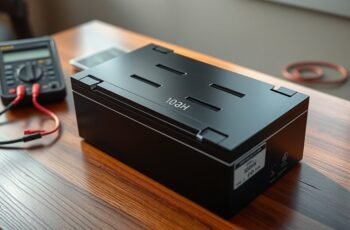
Steering the landscape of camping lithium battery power stations is like charting a course through a complex digital wilderness, where capacity, portability, and features form a tangled web. As we analyze their technical specifications and practical applications, it becomes clear that choosing the right model hinges on understanding these nuances. With so many options available, aligning your device needs and outdoor plans with the best power solution can be more challenging than it appears—making it essential to weigh each factor carefully.
Key Takeaways
- Compare battery capacities (Wh) to determine runtime suitability for multiple devices and extended camping trips.
- Evaluate port options (USB, AC, DC) for device compatibility and charging flexibility.
- Assess weight, size, and portability features for ease of transport in outdoor camping scenarios.
- Consider safety features and management systems that protect against overcurrent, overvoltage, and thermal issues.
- Review top models like Jackery Explorer 1000, EcoFlow Delta 1300, and Bluetti AC200P for performance, price, and feature differences.
What Are Camping Lithium Battery Power Stations and How Do They Work?
Camping lithium battery power stations are portable energy storage devices that utilize lithium-ion or lithium-polymer cells to provide reliable power in outdoor settings. They operate by converting stored chemical energy into electrical energy, supporting various devices through multiple output ports. Solar charging enhances their versatility, allowing users to replenish batteries sustainably during extended trips, which is essential for maintaining consistent power. The efficiency of solar charging directly influences the battery lifespan, as frequent and ideal charging cycles help preserve cell integrity. High-quality lithium cells typically offer longer battery lifespan, reducing degradation over time. These power stations are designed to balance performance with longevity, making them suitable for outdoor use while ensuring that energy storage remains reliable and durable across multiple recharge cycles.
Key Factors to Consider When Choosing a Camping Power Station
When selecting a camping power station, we focus on battery capacity and output to guarantee it can meet our energy demands efficiently. Port selection and charging options are equally critical, as they determine compatibility with our devices and ease of recharging. Evaluating these factors analytically helps us choose a reliable, versatile unit suited to various outdoor scenarios.
Battery Capacity and Output
How do battery capacity and output influence the effectiveness of a camping lithium battery power station? Higher capacity guarantees prolonged power supply, essential for multi-day trips, while output determines the ability to run diverse devices simultaneously. Efficient battery management maximizes capacity utilization, especially when integrated with solar panels for sustainable recharging. For example, a station with 1,000Wh capacity and 200W output can support multiple low-power devices, but limited output restricts high-wattage appliances. The following table summarizes key specifications:
| Capacity (Wh) | Max Output (W) | Solar Panel Compatibility | Battery Management Features |
|---|---|---|---|
| 500-1000 | 100-300 | Moderate to high | Advanced, smart charging |
| 1000-2000 | 300-500 | Excellent | Optimized for solar input |
| >2000 | >500 | Superior | Enhanced safety features |
These factors directly impact usability and longevity.
Port Selection and Charging
Selecting the right ports and understanding charging options are critical factors that directly influence a camping power station’s versatility and efficiency. A diverse port selection, including USB, AC, and DC outputs, guarantees compatibility with various devices, while solar compatibility enhances sustainable energy input. Solar input options, such as MC4 or Anderson connectors, facilitate integration with portable solar panels, optimizing off-grid use. Charging methods profoundly impact battery longevity; fast-charging features may shorten lifespan, whereas controlled, multi-stage chargers extend battery life. Ensuring the station supports multiple charging avenues—AC wall outlets, car adapters, and solar—provides flexibility and resilience. Ultimately, prioritizing ports and charging options that align with usage patterns maximizes efficiency and preserves the battery’s lifespan during extended camping trips.
Comparing Power Capacities: Which Station Meets Your Device Needs?
When comparing power stations, we focus on battery capacity and runtime to guarantee they can support your devices for the required duration. Device compatibility and output options are critical to match the station’s connectors and power levels with your specific equipment. Analyzing these technical parameters helps determine which station effectively meets your power needs without unnecessary excess.
Battery Capacity and Runtime
Understanding the battery capacity and runtime of lithium power stations is vital for guaranteeing they meet your device power requirements. Capacity, measured in watt-hours (Wh), directly influences how long your devices can operate. Larger capacity stations provide extended runtime, essential for prolonged camping trips. Additionally, a solar panel integration can recharge batteries, extending overall usability and optimizing battery lifespan through sustainable energy input. Runtime varies based on load; higher power devices drain batteries faster, emphasizing the importance of matching station capacity with device demands. Accurate capacity assessment prevents underperformance and guarantees reliable power availability. By analyzing these factors, you can select a station that balances capacity, runtime, and recharge options, aligning with your outdoor power needs and maximizing the longevity of both the battery and your devices.
Device Compatibility and Output
To guarantee a lithium power station adequately supports your devices, evaluating its output power and compatibility is essential. We analyze the station’s wattage and port options, ensuring they meet your device requirements, whether for small electronics or high-demand appliances. Solar integration capabilities influence compatibility, as stations with versatile DC and AC outputs facilitate seamless charging via solar panels. Battery chemistry, such as lithium iron phosphate versus other chemistries, impacts both output stability and longevity, affecting device performance over time. It’s vital to verify that the station’s output wattage aligns with your devices’ power draw to prevent overloads. Ultimately, choosing a station with flexible output options and robust solar integration ensures reliable operation across your camping gear and electronic needs, maximizing efficiency and safety.
Portability and Design: Finding the Right Size and Weight for Backpacking or Car Camping
Selecting the appropriate portable lithium battery power station depends heavily on its size and weight, especially when considering different outdoor scenarios like backpacking or car camping. For backpacking, minimal size with a lightweight form factor is essential, often requiring a compact design with an ergonomic grip for easy handling. An aesthetic design enhances usability by reducing bulk and promoting a streamlined profile that fits comfortably in a pack. Conversely, car camping allows for slightly larger units that prioritize sturdiness and integrated features, though weight remains a consideration for portability. Balancing these factors ensures ease of transport without sacrificing durability or functionality. Ultimately, matching size and weight to your specific activity optimizes convenience, with ergonomic design elements like textured grips improving maneuverability and user comfort during setup and transport.
Battery Life and Charging Options: Ensuring Reliable Power Off the Grid
Ensuring reliable power off the grid hinges on evaluating a portable lithium battery power station’s battery life and charging options. Battery longevity directly impacts operational lifespan, with higher cycle counts indicating better durability for extended use. We analyze how effectively the station maintains capacity over time, essential for uninterrupted power during camping trips. Charging versatility is equally important; a station with multiple input options—such as AC, DC, solar, or USB—offers greater flexibility in remote settings. Fast charging capabilities further enhance usability, reducing downtime. By assessing both battery longevity and charging versatility, we can determine a station’s capacity to deliver consistent, dependable power in off-grid environments, ensuring it meets the demanding needs of outdoor enthusiasts.
Features to Look For: Ports, Display Screens, and Safety Protections
When evaluating a lithium battery power station, the array of ports, display screens, and safety protections directly influences usability and safety in outdoor settings. Ports should include a variety of options—USB, AC, DC, and specialized outputs—to support diverse devices, with attention to compatibility with different charging cables. The display screen must deliver clear, real-time data on battery chemistry, remaining capacity, and charging status, enhancing operational awareness. Safety protections are essential; features like overcurrent, overvoltage, and thermal safeguards prevent damage and ensure user safety. The battery chemistry influences these protections, as lithium-ion cells require specific safeguards to mitigate risks. A well-designed interface and robust safety features allow for reliable, secure power management, critical in unpredictable outdoor environments.
Budget-Friendly vs. High-End Camping Lithium Power Stations: What’s the Best Value?
While high-end camping lithium power stations often boast advanced features, superior build quality, and longer lifespan, budget-friendly options can deliver substantial value for casual or short-term use. These models typically lack extensive solar panel integration but still support basic solar charging, making them suitable for infrequent outdoor use. They often utilize recycled batteries, emphasizing cost savings and sustainability without notably sacrificing performance. High-end units, however, offer enhanced efficiency, faster recharging, and better energy management, justifying their higher price points. When evaluating value, it’s crucial to consider longevity and environmental impact alongside initial cost. For occasional campers, budget models with recycled batteries and basic solar compatibility provide practical, eco-conscious solutions, whereas frequent users may benefit from investing in premium units with advanced integration capabilities.
Top Camping Lithium Battery Power Stations Reviewed: Pros and Cons
Evaluating the top camping lithium battery power stations requires a focused look at their core features, performance metrics, and practical advantages. For outdoor cooking and wildlife photography, reliable power is essential. We find that models like the Jackery Explorer 1000 excel with high capacity and fast charging, but can be bulky. Conversely, the Anker PowerHouse provides portability with moderate output, ideal for short trips. The Goal Zero Yeti series balances durability and versatility but at a higher cost. Here’s a comparison:
| Model | Pros | Cons |
|---|---|---|
| Jackery Explorer 1000 | High capacity, fast charging | Heavier, higher price |
| Anker PowerHouse | Compact, easy to carry | Lower power output |
| Goal Zero Yeti 500X | Rugged build, multiple outputs | Limited capacity, pricier |
| EcoFlow Delta 1300 | Rapid recharge, high wattage, suited for outdoor cooking | Heavier, expensive |
| Bluetti AC200P | Large capacity, versatile, ideal for wildlife photography | Bulky, high price |
Tips for Using and Maintaining Your Camping Power Station to Maximize Longevity
Proper usage and regular maintenance are critical to extending the lifespan of your camping power station. Consistently monitoring the battery’s charge levels prevents over-discharge, which can degrade lithium chemistry. Integrating a solar panel optimizes recharging efficiency and reduces reliance on grid power, but it’s essential to ensure the panel’s output matches the station’s specifications to avoid damage. Proper storage—keeping the station in a cool, dry environment—minimizes thermal stress and preserves battery health. When the battery reaches the end of its lifecycle, responsible battery recycling is crucial to prevent environmental harm and recover valuable materials. Routine checks for corrosion, firmware updates, and adherence to manufacturer guidelines further safeguard your investment and maximize performance over time.
Frequently Asked Questions
How Long Do Camping Lithium Battery Power Stations Typically Last With Heavy Use?
With heavy use, camping lithium battery power stations typically last 3-5 years, depending on battery lifespan and usage patterns. Regularly monitoring charge cycles and avoiding deep discharges can extend their operational life and maintain peak performance.
Are There Any Environmental Concerns Regarding Lithium Battery Disposal?
Yes, lithium batteries pose environmental concerns due to toxic waste risks; proper battery recycling is essential to mitigate these issues, preventing hazardous material leakage and promoting sustainable disposal practices that minimize long-term ecological impacts.
Can These Power Stations Be Charged via Solar Panels Effectively?
We find that camping lithium battery power stations are highly compatible with solar panels, ensuring effective charging. Their design maximizes charging efficiency through optimized solar panel compatibility, making solar energy a reliable, sustainable power source for outdoor enthusiasts.
What Safety Precautions Should I Follow When Using These Power Stations Outdoors?
We prioritize battery safety by avoiding exposure to extreme temperatures and moisture to prevent hazards. We also inspect connections regularly, use proper grounding, and follow manufacturer guidelines, mitigating outdoor hazards effectively during power station operation.
Are There Specific Brands Known for Better Durability and Reliability?
We find brands like Goal Zero and Jackery offer superior durability, backed by strong brand reputation and longer battery lifespan. Their technical build quality guarantees reliable performance, making them top choices for outdoor camping power solutions.
Conclusion
In the vast landscape of camping power stations, choosing the right one is like finding a reliable compass—guiding us through the wilderness of options. By analyzing capacity, portability, and features, we can chart a course that guarantees our devices stay alive and our adventures uninterrupted. With careful selection, these power stations become steadfast allies, transforming rugged terrains into a seamless extension of our home base, empowering us to explore confidently and sustainably.