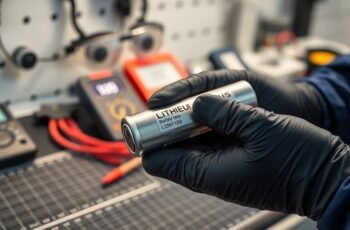
When it comes to car lithium starter batteries, safety isn’t optional—it’s essential. Their high energy density means proper handling and adherence to strict protocols can prevent serious hazards like fires or explosions. We recognize the importance of following precise procedures, wearing appropriate protective gear, and recognizing early signs of potential issues. Ensuring safe usage not only protects your vehicle but also your safety; understanding these critical measures is fundamental to avoiding avoidable accidents.
Key Takeaways
- Handle lithium batteries carefully, avoiding punctures, shocks, and damage to prevent thermal runaway and fires.
- Use proper protective gear, including gloves and goggles, during installation, maintenance, and emergencies.
- Ensure correct terminal connections and use compatible chargers to prevent overcharging and electrical hazards.
- Regularly inspect for swelling, leaks, corrosion, or damage, and store in a cool, ventilated environment.
- Follow emergency protocols: evacuate, avoid water on fires, and use appropriate fire extinguishers for lithium fires.
Why Safety Is Crucial When Using Car Lithium Starter Batteries
Because lithium starter batteries operate at higher energy densities than traditional lead-acid batteries, safety becomes paramount to prevent accidents and equipment damage. Their advanced chemistry necessitates careful handling to mitigate risks like thermal runaway, which can lead to fires or explosions. Additionally, proper disposal and battery recycling are critical to minimizing environmental impact, as lithium batteries contain hazardous materials that can contaminate ecosystems if improperly discarded. Ensuring safety protocols reduces the likelihood of leaks or failures that could harm users or surroundings. Understanding these risks emphasizes the importance of strict safety measures, responsible recycling, and environmental stewardship. By prioritizing safety, we protect both personnel and the environment while maximizing the benefits of lithium technology.
Understanding Lithium Battery Basics and Potential Hazards
Understanding lithium battery basics and potential hazards is crucial for safe handling and proper usage. Lithium batteries operate through reversible chemical reactions that store and release energy efficiently, but they also pose risks if mishandled. Thermal management is critical, as overheating can lead to thermal runaway, causing fires or explosions. Proper thermal regulation prevents damage and ensures safety during operation. Additionally, responsible battery recycling is essential to prevent environmental contamination and reduce the risk of hazardous exposure. Lithium batteries contain flammable electrolytes and sensitive components that can ignite if punctured or exposed to extreme conditions. Recognizing these hazards underscores the importance of adhering to safety protocols and understanding the battery’s fundamental behavior to mitigate risks effectively.
Proper Handling and Installation of Lithium Starter Batteries
Proper handling and installation of lithium starter batteries require strict adherence to safety protocols to prevent accidents and damage. We emphasize verifying manufacturer certifications to confirm the battery meets industry safety standards, which guarantees proper design and quality control. During installation, handle batteries with care, avoiding punctures or physical shocks that could compromise internal safety systems. Correct connection of terminals, following the manufacturer’s instructions, guarantees peak performance and reduces risk. Additionally, responsible battery recycling is essential; we must dispose of old or damaged batteries through certified recycling programs to prevent environmental hazards and potential safety risks. Adhering to these guidelines helps maintain safety, extends battery lifespan, and aligns with industry best practices for handling lithium-based power sources.
Essential Safety Gear and Precautions During Battery Maintenance
When performing maintenance on lithium starter batteries, we must prioritize safety by using appropriate protective gear and following strict precautions. Essential safety gear includes protective clothing that shields skin from potential electrolyte leaks and accidental sparks. Safety goggles are critical to prevent eye injury from corrosive splashes or arc flashes. Before starting, verify all tools are insulated and properly grounded. Always disconnect the battery in a controlled manner, avoiding contact between terminals to prevent short circuits. Adequate ventilation is essential to disperse any potentially harmful gases. By strictly adhering to these precautions and wearing the proper safety gear, we minimize the risk of injury and ensure safe, effective maintenance of lithium starter batteries.
How to Recognize and Prevent Common Lithium Battery Risks
Recognizing warning signs such as swelling, unusual heat, or leakage is essential for early risk detection. Proper handling procedures, including correct connection and disconnection techniques, reduce the likelihood of accidents. Preparedness with emergency response measures guarantees swift action to mitigate damage and safety hazards.
Identifying Warning Signs
Understanding the warning signs of lithium battery issues is essential for ensuring safety and preventing potential failures. Early detection can mitigate hazards and guide proper maintenance, including safe lithium disposal and responsible battery recycling. Key indicators include:
- Swelling or bulging: Indicates internal gas buildup, risking rupture.
- Overheating during operation: Signals potential thermal runaway.
- Unusual odors or leaks: Suggests electrolyte deterioration or damage.
- Reduced performance or failure to hold charge: Reflects internal degradation.
Recognizing these signs helps prevent catastrophic failures and promotes responsible handling, including proper lithium disposal when the battery reaches end-of-life. Regular inspection and prompt action are critical for safety and environmental responsibility within lithium battery management.
Proper Handling Procedures
Proper handling of lithium starter batteries involves strict adherence to safety protocols designed to minimize risks associated with their use and maintenance. We emphasize the importance of following manufacturer certifications, which guarantee the battery meets rigorous safety standards. Handling procedures should include avoiding physical damage, such as punctures or drops, that could lead to thermal runaway. Proper storage and disposal practices are critical; responsible battery recycling prevents environmental hazards and potential fires. Always use insulated tools and wear protective gear during installation, maintenance, or removal. Recognizing signs of damage or degradation helps prevent accidents. By adhering to these protocols, we can considerably reduce lithium battery risks, ensure safety, and promote responsible disposal aligned with industry standards and battery recycling regulations.
Emergency Response Measures
To effectively manage lithium battery safety, we must proactively identify and respond to common risks before they escalate. Recognizing signs of thermal runaway, swelling, or leakage is essential for timely intervention. Preventive measures include adhering to manufacturer safety standards and ensuring proper handling. In case of a thermal event, immediate action such as isolating the battery and using appropriate fire suppression methods is critical. Additionally, proper disposal and battery recycling reduce environmental hazards and prevent potential failures.
Key emergency response steps include:
- Identify warning signs: swelling, discoloration, or smoke.
- Isolate the battery: avoid contact and disconnect power sources.
- Use appropriate suppression tools: Class D fire extinguishers or sand.
- Follow safety standards: comply with manufacturer guidelines and local regulations for battery recycling.
Best Practices for Charging and Discharging Lithium Starter Batteries
When charging and discharging lithium starter batteries, adhering to strict protocols is essential to guarantee safety and maximize battery lifespan. Proper procedures prevent overheating, overcurrent, and capacity loss. Use compatible chargers, avoid rapid charging, and monitor voltage levels closely. Discharging below recommended thresholds can cause irreversible damage, so maintain appropriate load management. Understanding lithium battery myths helps dispel misconceptions, ensuring safe handling. Additionally, responsible battery recycling minimizes environmental impact and promotes sustainability. Here’s a quick reference:
| Charging Practice | Discharging Practice | Safety Tip |
|---|---|---|
| Use approved chargers | Avoid deep discharges | Regularly inspect for damage |
| Limit charging rate | Keep within voltage limits | Follow manufacturer instructions |
| Monitor temperature | Manage load effectively | Prevent exposure to extreme temperatures |
| Conduct battery recycling | Educate on lithium battery myths | Proper disposal is vital |
What to Do in Case of a Lithium Battery Emergency?
In the event of a lithium battery emergency, immediate and informed action is vital to minimize risks and prevent escalation. Proper emergency preparedness and a swift first aid response can significantly reduce potential injuries or damage.
Quick, informed action during lithium battery emergencies minimizes risks and prevents escalation. Prioritize safety and follow protocols.
- Evacuate the area and ensure proper ventilation to disperse harmful fumes.
- Use fire extinguishers rated for lithium or chemical fires if flames are present, avoiding water which can worsen the situation.
- Contact emergency services immediately to handle the incident professionally.
- Administer first aid as needed, including cooling burns with water and avoiding contact with toxic substances.
Quick, deliberate responses help contain the hazard and protect everyone involved. Always prioritize safety and follow established protocols during lithium battery emergencies.
Tips for Extending the Lifespan and Ensuring Safe Usage of Your Battery
To maximize your lithium starter battery’s lifespan and safety, we emphasize proper charging techniques, including using compatible chargers and avoiding overcharging. Regular inspections of the battery’s condition help identify potential issues before they escalate, while safe storage practices mitigate risks during periods of non-use. Implementing these strategies guarantees peak performance and longevity for your vehicle’s power source.
Proper Charging Techniques
Proper charging techniques are essential for maximizing the lifespan and guaranteeing the safe operation of your car lithium starter battery. Correct procedures prevent overcharging, which can degrade battery health, and promote efficient energy use. Always verify charger compatibility with your battery specifications to avoid damaging voltage or current mismatches. Use a regulated charger designed for lithium batteries, and avoid makeshift or incompatible charging devices. Additionally, implementing proper charging practices supports battery recycling efforts by reducing waste through prolonged battery life. Maintain a consistent charging environment, avoiding extreme temperatures. Following these guidelines ensures safe, reliable operation, preserves battery capacity, and minimizes environmental impact through improved recycling potential. Proper charging is critical for peak performance and longevity of your lithium starter battery.
Regular Battery Inspections
Regular inspections of your car lithium starter battery are crucial for detecting potential issues early and extending its service life. Consistent monitoring of voltage levels, terminal connections, and electrolyte conditions helps identify signs of degradation or corrosion. These checks reduce the risk of unexpected failure and guarantee peak performance. Proper maintenance also supports responsible lithium disposal and battery recycling, minimizing environmental impact. When the battery reaches the end of its lifespan, safe lithium disposal becomes necessary, preventing hazardous leaks or fires. Routine inspections enable timely replacement, safeguarding both vehicle operation and environmental health. Incorporating these practices into your maintenance routine not only prolongs battery longevity but also promotes adherence to safety standards and sustainable disposal practices.
Safe Storage Practices
Ensuring safe storage of your car lithium starter battery is essential for maximizing its lifespan and preventing safety hazards. Proper storage minimizes risks related to thermal runaway, leakage, or fire, and supports sustainable practices like battery recycling and responsible lithium sourcing. To optimize storage:
- Store in a cool, dry environment away from direct sunlight and heat sources to prevent thermal degradation.
- Maintain a partial charge (around 50-70%) during extended storage to preserve cell integrity and battery health.
- Keep the battery in a well-ventilated area, avoiding confined spaces that could accumulate hazardous gases.
- Regularly inspect stored batteries for signs of swelling, corrosion, or damage, and adhere to local regulations for battery recycling, ensuring environmentally safe disposal and responsible lithium sourcing.
Frequently Asked Questions
Can Lithium Starter Batteries Be Recycled Safely?
Yes, lithium starter batteries can be recycled safely through certified battery recycling programs, which properly handle hazardous waste and prevent environmental contamination. We recommend consulting authorized facilities to guarantee responsible disposal and maximize resource recovery.
Are There Specific Storage Conditions for Lithium Batteries?
Imagine a delicate balance—lithium batteries thrive in controlled environments. We recommend storing them at ideal temperature ranges, controlling humidity levels, and avoiding extreme heat or cold to guarantee safety and longevity.
How Often Should I Inspect My Lithium Starter Battery?
We recommend inspecting your lithium starter battery at least once every three months to optimize battery lifespan and guarantee safety. Regular inspections help detect potential issues early, maintaining reliable performance and preventing unexpected failures during critical moments.
What Are the Signs of a Failing Lithium Battery?
We notice signs of a failing lithium battery through decreased performance, inconsistent starting, and subtle changes in charging indicators, signaling reduced battery lifespan. Regular inspections help detect these issues early, ensuring peak performance and safety.
Is Professional Installation Necessary for Lithium Starter Batteries?
We believe professional installation is essential for lithium starter batteries to guarantee proper setup and adherence to safety considerations. Skilled technicians minimize risks, optimize performance, and guarantee compliance with manufacturer specifications, safeguarding your vehicle and enhancing battery longevity.
Conclusion
Ensuring safety with our car lithium starter batteries isn’t just about following rules—it’s about anticipating hazards before they happen. Proper handling, vigilant inspection, and adherence to best practices can prevent disasters and extend your battery’s life. But even with precautions, unforeseen emergencies can occur. Are you prepared to react swiftly and effectively? Staying informed and vigilant is our best defense—because when safety is compromised, the consequences can be unpredictable. Are you ready to take the necessary steps?