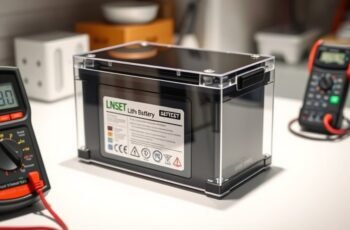
Ensuring safety in electric vehicle lithium batteries is critical for both performance and risk mitigation. We recognize that proper handling, maintenance, and adherence to regulations are fundamental to preventing hazards like thermal runaway or fires. As technology advances, so do the safety considerations involved. Understanding these principles is essential to safeguard users and the environment. To fully grasp the complexities involved and implement best practices, it’s important to explore specific safety strategies and standards that can make a real difference.
Key Takeaways
- Regularly monitor battery performance, temperature, and signs of damage to prevent thermal runaway.
- Handle and store batteries carefully in cool, dry environments, avoiding shocks and punctures.
- Use certified chargers with safety features to prevent overcharging and overheating during charging.
- Know emergency procedures: evacuate, disconnect batteries, and use appropriate fire extinguishers for lithium fires.
- Ensure batteries and components meet safety certifications like UL, IEC, or UN standards for reliability.
Understanding Lithium Battery Safety in Electric Vehicles
How do lithium batteries guarantee safety in electric vehicles? The answer lies in their battery chemistry and lithium ion stability. Advanced electrode materials and electrolyte formulations are engineered to minimize thermal runaway risks and enhance chemical stability. Lithium ion stability is maintained through precise control of voltage ranges and temperature, preventing decomposition or dendrite formation that can cause short circuits. Modern battery management systems monitor cell performance continuously, detecting anomalies before they escalate. By optimizing battery chemistry, manufacturers guarantee that lithium ions remain safely contained during operation, reducing the risk of overheating or fires. These technical safeguards are essential for maintaining the integrity of EV batteries, ensuring safe, reliable performance over the vehicle’s lifespan.
Proper Handling and Storage of EV Lithium Batteries
Proper handling and storage of EV lithium batteries are critical for safety and longevity. We must follow strict procedures to prevent damage, guarantee ideal storage conditions, and prepare for emergency situations. Addressing these points systematically reduces risks and maintains battery integrity during both routine and unexpected events.
Safe Handling Procedures
To guarantee the safety of personnel and the integrity of the batteries, we must follow strict handling and storage protocols for EV lithium batteries. Proper handling hinges on adhering to battery management principles, ensuring that lithium chemistry remains stable throughout the process. We must avoid mechanical shocks, punctures, and short circuits, which can trigger thermal runaway. When lifting or transporting batteries, use appropriate tools and wear protective gear. Always verify the state of charge; a lower voltage reduces the risk of thermal events during handling. Properly grounded equipment prevents static discharge. Additionally, handling protocols include inspecting batteries for damage and ensuring correct orientation to prevent leaks. Precise adherence to these procedures minimizes hazards associated with lithium chemistry and maintains ideal battery performance.
Appropriate Storage Conditions
What are the essential conditions for safely storing EV lithium batteries? Proper storage relies on maintaining a stable storage environment that minimizes risks associated with battery material degradation or thermal events. The storage environment should be cool, dry, and well-ventilated, with temperatures typically between 0°C and 25°C to prevent capacity loss or thermal runaway. Humidity must be regulated to avoid corrosion of internal components. Batteries should be stored at a partial state of charge, around 30-50%, to reduce stress on the battery material. Additionally, they must be kept away from combustible materials and sources of heat or direct sunlight. Proper handling during storage, including regular inspection for signs of damage or leakage, is crucial to ensure safety and longevity.
Emergency Response Measures
Have we prepared adequately to handle emergencies involving EV lithium batteries? Proper handling and storage are critical for effective emergency response. Understanding battery degradation helps identify potential failure points, reducing risks during incidents. Ensuring safe storage conditions minimizes thermal runaway and mitigates fire hazards. Response plans must include protocols for safely disconnecting batteries from the charging infrastructure to prevent further damage. Personnel should be trained to recognize signs of compromised batteries, such as swelling or overheating. Rapid cooling and containment procedures are essential to control fires or chemical leaks. Adequate emergency measures also involve maintaining appropriate disposal procedures to prevent environmental contamination. Effective coordination with local emergency services enhances overall safety and response times.
- Battery degradation indicators and assessment
- Safe procedures for disconnecting from charging infrastructure
- Fire suppression techniques specific to lithium batteries
- Disposal and environmental safety protocols
Best Practices for Safe Charging and Discharging
Selecting the appropriate charger guarantees compatibility with the battery’s specifications, reducing the risk of electrical faults. Avoiding overcharging is critical, as it can lead to thermal runaway and damage the cell chemistry. Additionally, continuous temperature monitoring during charging and discharging maintains safe operating conditions and prolongs battery lifespan.
Proper Charger Selection
How can we guarantee safe and effective charging of lithium batteries in electric vehicles? Proper charger selection is essential, ensuring compatibility with the vehicle’s battery chemistry and capacity. A certified charger, compliant with relevant standards, minimizes risks associated with improper power delivery. It’s crucial to evaluate the charging infrastructure’s compatibility, including voltage, current, and connector types, to prevent damage or unsafe conditions. Additionally, selecting chargers with integrated safety features—such as temperature regulation and overcurrent protection—enhances overall battery safety.
- Confirm charger certification aligning with industry standards
- Match charger output specifications to battery capacity and chemistry
- Guarantee compatibility with local charging infrastructure
- Prioritize chargers with built-in safety and thermal management
Avoid Overcharging Risks
Overcharging lithium batteries can considerably compromise their safety and longevity, making it essential to implement proper charging practices. Excessive charging stresses the battery chemistry, leading to overheating, capacity loss, and potential thermal runaway. To mitigate these risks, utilizing compatible charging infrastructure with integrated overcharge protection is critical.
| Charging Step | Best Practice | Risks Avoided |
|---|---|---|
| Full charge | Use chargers with voltage regulation | Overvoltage damage |
| Charging cycle | Avoid prolonged overcharging | Capacity degradation |
| Battery monitoring | Employ smart charging systems | Thermal runaway |
| Charging environment | Maintain proper ventilation | Overheating |
| Battery condition | Regular diagnostics | Hidden faults |
Following these protocols ensures safe, reliable EV operation while preserving battery health.
Monitor Battery Temperature
Monitoring battery temperature during charging and discharging is critical to maintaining safety and enhancing performance. Effective thermal regulation prevents overheating, which can lead to thermal runaway or battery degradation. Ensuring proper battery cooling mechanisms are in place allows for real-time temperature tracking and swift response to abnormal fluctuations. Key practices include:
- Utilizing integrated temperature sensors for continuous monitoring
- Implementing active cooling systems to maintain ideal thermal conditions
- Establishing temperature thresholds to trigger safety protocols
- Regularly calibrating thermal regulation equipment for accuracy
Recognizing and Preventing Battery Overheating and Fires
What are the key indicators that a lithium battery in an electric vehicle is overheating or at risk of igniting? Elevated temperature readings, unusual battery swelling, and persistent warning lights signal thermal issues. Battery degradation accelerates heat build-up, compromising safety. Effective thermal management systems help prevent dangerous temperature rises, but failure can lead to thermal runaway. The following table highlights critical signs:
| Indicator | Action |
|---|---|
| Excessive heat | Check cooling systems and sensor readings |
| Swelling or deformation | Inspect for physical damage or swelling |
| Sudden power loss | Assess for thermal issues affecting battery performance |
| Unusual odors | Immediate inspection for thermal runaway or fire hazards |
| Warning lights | Prompt system diagnostics and professional evaluation |
Recognizing these signs promptly enables preventative measures, reducing fire risk.
How to Inspect and Maintain Battery Health
Regular inspection and maintenance are essential to guarantee the longevity and safety of your electric vehicle’s lithium battery. Monitoring battery health directly impacts battery lifespan and charging efficiency, securing optimal performance over time. We recommend routinely checking for voltage inconsistencies, capacity fade, and physical damage, which can indicate underlying issues. Maintaining proper charge levels prevents deep discharge cycles that diminish battery lifespan. Additionally, regularly calibrating the battery management system (BMS) helps maintain accurate state-of-charge readings. To deepen understanding, consider these aspects:
Regularly inspect and calibrate your EV battery to ensure safety, longevity, and optimal performance.
- Verify voltage and capacity metrics through diagnostic tools
- Inspect for physical signs of degradation or swelling
- Ensure cooling systems operate correctly to prevent overheating
- Maintain firmware updates to maximize BMS performance
Safe Disposal and Recycling of EV Lithium Batteries
As electric vehicle lithium batteries reach the end of their service life, proper disposal and recycling become vital to prevent environmental contamination and recover valuable materials. Recycling protocols must be followed meticulously to guarantee safe handling, including disassembly, deactivation, and extraction of materials such as lithium, cobalt, and nickel. Battery refurbishment plays an essential role in extending battery life through repair or component replacement, reducing waste and resource consumption. Proper procedures involve segregating batteries by chemistry and state of health, then processing them in certified facilities equipped for hazardous material management. Compliance with established safety standards minimizes risks during recycling, safeguarding environmental protection and material recovery efficiency. Implementing these measures aligns with sustainable practices and supports a circular economy for EV batteries.
Emergency Response: What to Do During a Battery Fire or Accident
In the event of a lithium battery fire or accident involving an electric vehicle, prompt and informed action is critical to minimize hazards. Rapid response can prevent escalation, especially considering the risks associated with battery degradation and the proximity to charging infrastructure.
- Evacuate the area immediately, maintaining a safe distance to avoid toxic fumes or thermal runaway.
- Use a Class D or ABC fire extinguisher if available, avoiding water which can worsen lithium fires.
- Disconnect the vehicle’s power supply if safe, preventing further electrical faults.
- Notify emergency services with details about the incident, emphasizing the presence of lithium batteries and potential fire hazards.
Understanding battery degradation helps anticipate failure points, while awareness of charging infrastructure ensures safe handling during rescue operations.
Choosing Certified Components and Professional Services
Selecting certified components and engaging professional services are essential steps to guarantee the safety, reliability, and performance of electric vehicle lithium batteries. Certification standards, such as UL, IEC, and UN regulations, ensure components meet rigorous safety and quality benchmarks. These standards verify that batteries are designed to withstand operational stresses and prevent hazards like thermal runaway. Additionally, choosing components with thorough warranties provides assurance of long-term durability and support, enabling prompt resolution of potential issues. Professional services, including certified technicians and authorized installers, guarantee proper handling, installation, and maintenance, reducing risks associated with improper assembly. By adhering to recognized certification standards and securing reliable component warranties, we ensure the integrity of the battery system and uphold safety throughout the vehicle’s lifespan.
Staying Updated: Latest Trends and Regulations in Battery Safety
Are we truly keeping pace with the rapid evolution of battery safety standards and regulations? Staying current is essential to mitigate risks like battery theft and guarantee comprehensive warranty coverage. We monitor updates from global agencies, such as the UN and ISO, to adapt safety protocols. Regulatory trends now emphasize advanced thermal management and fire suppression systems. Manufacturers are adopting stricter testing procedures, including impact and short-circuit tests, to prevent safety failures. Additionally, regulations increasingly address security measures against theft, including tamper-proof designs, which impact warranty policies. Key areas to focus on include:
- Implementation of real-time safety monitoring systems
- Updates to international compliance standards
- Enhanced security measures for battery protection
- Legal implications of non-compliance and warranty claims
Frequently Asked Questions
How Long Do EV Lithium Batteries Typically Last Before Needing Replacement?
Typically, EV lithium batteries last 8-15 years, influenced by thermal management and usage patterns; proper battery recycling practices and advanced thermal management extend lifespan, ensuring safety and efficiency throughout the battery’s service life.
Are There Specific Brands Known for Higher Safety Standards?
We recommend brands with rigorous safety certifications, like Tesla and LG Chem, which prioritize safety standards and promote responsible battery recycling processes. These measures help guarantee higher safety standards and environmental responsibility in EV lithium batteries.
Can I Upgrade My Ev’s Battery for Improved Safety or Performance?
We believe you can upgrade your EV’s battery for safety and performance, but prioritize proper battery recycling and adhere to strict charging protocols. Remember, “a chain is only as strong as its weakest link,” emphasizing careful upgrades.
What Are the Signs of a Compromised Lithium Battery?
We notice signs of a compromised lithium battery through rapid battery degradation, swelling, or overheating, which may lead to thermal runaway. Promptly addressing these symptoms is vital to prevent safety hazards and guarantee peak vehicle performance.
How Does Climate Affect Lithium Battery Safety and Longevity?
Climate impact and temperature stability critically affect lithium battery safety and longevity; extreme heat accelerates degradation, while cold reduces efficiency, emphasizing the need for climate-aware thermal management systems to maintain ideal performance and prevent safety risks.
Conclusion
In summary, prioritizing lithium battery safety is essential for reliable EV operation. For example, a manufacturer that adopted rigorous thermal management and regular inspections considerably reduced fire incidents. By following best practices, adhering to regulations, and staying vigilant, we can prevent accidents and extend battery life. Continuous education and proper maintenance are our best defenses against hazards, ensuring safe, sustainable electric vehicle use for everyone.