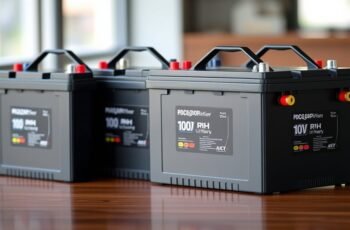
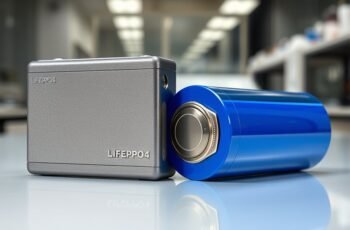
Did you know lithium batteries can last three to five times longer than lead-acid options, yet they still face a higher upfront cost? As we analyze their performance, maintenance, and environmental impacts, it becomes clear that choosing the right type involves more than just initial expenses. Understanding the trade-offs between these technologies is essential for making an informed decision that aligns with long-term needs—something that warrants careful consideration.
Key Takeaways
- Lithium batteries offer longer lifespan, higher energy density, and better performance compared to lead-acid batteries.
- Lead-acid batteries are cheaper upfront but require more maintenance and have a shorter cycle life.
- Lithium batteries support faster charging and longer range, ideal for demanding golf cart operations.
- Lead-acid batteries are easier to recycle but contain hazardous materials, while lithium batteries need proper disposal.
- Long-term, lithium batteries tend to be more cost-effective despite higher initial costs due to durability and lower maintenance.
Understanding the Basics of Golf Cart Batteries
To understand the differences between lithium and lead-acid batteries for golf carts, it’s essential to grasp the fundamental principles behind each type. Golf cart battery chemistry notably influences performance, lifespan, and maintenance requirements. Lead-acid batteries rely on a chemical reaction between lead plates and sulfuric acid, which produces electrical energy but involves regular watering and sulfation issues. Conversely, lithium batteries use lithium-ion technology, offering higher energy density and faster charging. Battery recycling is a critical factor, especially for lead-acid, which contain toxic materials requiring proper disposal. Lithium batteries pose fewer environmental hazards but still demand responsible recycling practices. Understanding these basic chemistries helps us evaluate durability, cost-effectiveness, and environmental impact, forming a foundation for comparing their overall suitability in golf cart applications.
Comparing Lithium and Lead Acid Batteries: Key Differences
We compare lithium and lead acid batteries by examining their energy density, which impacts overall range and performance. We also consider differences in charging protocols, maintenance needs, and total lifecycle costs. Understanding these key distinctions helps us determine the most suitable option for specific golf cart applications.
Energy Density Differences
Lithium batteries possess a considerably higher energy density compared to lead acid batteries, which directly impacts their performance and efficiency in golf cart applications. This higher energy density means lithium batteries store more energy per unit weight and volume, leading to longer run times and more compact designs. From an analytical perspective, this translates into improved energy efficiency, as less space and weight are required for the same power output. However, increased energy density also raises concerns about battery safety, especially if mishandled or damaged, emphasizing the importance of proper design and management systems. Overall, lithium’s superior energy density enhances performance metrics but necessitates careful attention to safety considerations to maximize its benefits in golf cart usage.
Charging and Maintenance
Charging and maintenance protocols differ markedly between lithium and lead acid batteries, impacting overall operational efficiency and lifespan. Lithium batteries require a specialized charging infrastructure with precise voltage regulation to guarantee battery safety and longevity. They support faster charging cycles and minimal maintenance, often needing only occasional balancing. Lead acid batteries, on the other hand, demand regular watering, equalization, and careful monitoring to prevent sulfation and capacity loss. Proper charging practices are critical for both types to avoid damage; overcharging can compromise safety and performance. Lithium batteries’ built-in BMS (Battery Management System) simplifies maintenance, while lead acid units require more active oversight.
- Lithium: Fast charging, minimal maintenance, advanced charging infrastructure needed, enhanced battery safety features, sensitive to overvoltage.
- Lead Acid: Longer charging times, frequent watering, manual balancing, lower initial safety measures, higher risk of sulfation.
Cost and Longevity
Although lithium batteries typically involve a higher initial investment, they tend to offer greater long-term value due to their superior lifespan and performance stability. Lithium batteries generally last 5 to 10 times longer than lead acid counterparts, reducing replacement costs over time. Their manufacturing processes emphasize battery safety, utilizing advanced thermal management and safety systems that mitigate risks like thermal runaway. In contrast, lead acid batteries are more prone to degradation, requiring frequent replacements and regular maintenance. While the upfront cost for lithium batteries is higher, their extended longevity and reduced maintenance expenses often offset initial expenses. This makes lithium a more economical choice in the long run, especially considering the safety enhancements stemming from refined manufacturing protocols that improve overall reliability.
How Battery Chemistry Affects Performance and Maintenance
The chemistry of a battery directly influences its energy density, charging protocols, and long-term resilience. Lithium and lead-acid chemistries differ considerably in how they store and release energy, affecting performance efficiency and maintenance needs. Understanding these differences is vital for optimizing golf cart operation and durability.
Energy Density Differences
Battery chemistry markedly influences energy density, which directly impacts the performance and maintenance requirements of golf cart batteries. Higher energy density means more stored energy per unit volume or weight, enhancing overall efficiency. Lithium-ion batteries, with their advanced chemistry, offer considerably greater energy density than lead-acid counterparts, resulting in longer runtime and reduced weight. This improved energy efficiency translates into less frequent replacements and lower operational costs. Key factors include:
- Higher specific energy in lithium-ion cells
- Compact design for space-constrained carts
- Lower weight boosting maneuverability
- Reduced self-discharge rates
- Enhanced cycle life minimizing maintenance interventions
Understanding these energy density differences helps optimize performance while reducing long-term maintenance demands, highlighting the critical role of battery chemistry in golf cart efficiency.
Charging Requirements Variance
Since battery chemistry directly influences charging protocols, understanding these requirements is vital for ideal golf cart performance and maintenance. Lithium and lead-acid batteries have distinct charging needs rooted in their chemistry. Lithium batteries require a precise, multi-stage charging process that prevents overcharging, including a controlled bulk, absorption, and float phase, ensuring longevity and safety. In contrast, lead-acid batteries typically need a slower, regulated charge with equalization to prevent sulfation and maintain capacity. These differences impact maintenance routines; lithium batteries demand minimal attention, whereas lead-acid batteries require regular monitoring and balancing. Recognizing how battery chemistry affects charging protocols allows users to implement proper charging practices, maximize battery lifespan, and ensure reliable operation, highlighting the importance of understanding each battery’s specific chemistry.
Long-term Durability
Understanding how battery chemistry influences long-term durability is essential for optimizing golf cart performance and minimizing maintenance costs. Lithium batteries generally exhibit superior durability due to their stable chemistry, which reduces degradation over cycles. In contrast, lead acid batteries experience faster capacity loss, requiring more frequent replacements. Battery safety is a critical factor, as lithium chemistries incorporate safeguards against thermal runaway, while lead acid risks include acid leaks and corrosion. Additionally, charging infrastructure impacts longevity; lithium batteries tolerate fast charging better, extending service life, whereas lead acid batteries demand slower, more controlled charging to prevent damage. Key considerations include:
- Cycle life longevity
- Resistance to thermal stress
- Maintenance frequency
- Safety protocols
- Compatibility with charging infrastructure
Assessing Cost, Lifespan, and Total Ownership Expenses
Evaluating the total cost of ownership for golf cart batteries requires a detailed comparison of initial purchase prices, maintenance expenses, and replacement intervals. Lithium batteries, with their advanced battery chemistry, typically have a higher upfront cost but offer superior power output and longer lifespan. Lead-acid batteries are initially cheaper but demand more frequent maintenance and replacements, increasing long-term expenses. While lithium batteries reduce maintenance costs and enhance performance reliability, their higher initial investment impacts overall affordability. Conversely, lead-acid batteries may seem economical initially but incur ongoing costs due to shorter lifespan and lower power consistency. When appraising total ownership expenses, it’s vital to consider how battery chemistry influences lifespan, power output, and maintenance needs, ultimately determining the most cost-effective choice over the long term.
Which Battery Type Offers Better Range and Speed?
Lithium batteries generally provide superior range and speed compared to lead-acid counterparts due to their higher energy density and more efficient power delivery. This means longer travel distances and higher top speeds, essential for demanding golf course terrains. Additionally, lithium batteries exhibit faster charging speeds, minimizing downtime and improving operational efficiency. When evaluating these benefits, consider:
Lithium batteries offer longer range, higher speeds, and faster charging for demanding golf course performance.
- Enhanced energy density leading to extended range
- Higher discharge rates boosting speed
- Faster charging for quicker turnovers
- Superior battery safety with built-in thermal management
- Consistent power output over lifespan
These factors make lithium batteries more suitable for applications requiring sustained high performance. However, their advanced technology demands careful attention to battery safety protocols to prevent hazards. Overall, lithium batteries offer a notable advantage in range and speed, making them a compelling upgrade over lead-acid options.
Installation, Compatibility, and Upgrading Your Golf Cart Battery System
Upgrading or installing a new golf cart battery system requires careful attention to compatibility and proper integration with existing components. Confirming battery safety is paramount, especially when adapting lithium or lead acid options, as each demands specific voltage and wiring configurations. Compatibility extends beyond physical fit; it includes evaluating the charging infrastructure to support the new system’s requirements. Lithium batteries often need specialized chargers, making upgrades more complex but offering faster charging cycles. Proper installation minimizes risks like electrical faults or thermal issues, which could compromise safety or damage components. A thorough evaluation of the cart’s electrical system ensures seamless integration, optimized performance, and adherence to safety standards. Accurate matching of batteries to the cart’s specifications is essential for reliable operation and future upgrades.
Environmental Impact and Recycling Considerations for Batteries
As the adoption of advanced battery technologies increases, understanding their environmental impacts and recycling considerations becomes essential. Lithium and lead-acid batteries differ markedly in their lifecycle footprint, influenced by manufacturing processes and battery safety concerns. Lithium batteries pose challenges due to resource extraction and potential fire hazards if damaged, emphasizing the need for proper disposal. Lead-acid batteries, while easier to recycle, contain hazardous lead, requiring strict handling protocols. Effective recycling reduces environmental contamination, conserves raw materials, and mitigates health risks.
- Resource extraction impacts on ecosystems
- Battery safety during use and disposal
- Recycling efficiency and infrastructure
- Toxicity of hazardous materials
- Regulatory standards and compliance
Making the Right Choice: Factors to Consider for Your Golf Cart
Selecting the appropriate battery for your golf cart involves evaluating several critical factors that directly impact performance, safety, and long-term costs. Battery safety is paramount; choosing options with proven safety features reduces risks of thermal runaway, leaks, or fire hazards. Equally important is appraising the manufacturer’s reputation—reliable brands tend to offer higher quality, better warranties, and comprehensive customer support, ensuring consistent performance over time. Analytical evaluation of capacity, cycle life, and maintenance requirements helps determine overall value. Lithium batteries often excel in safety standards and longevity, but a reputable manufacturer’s certification is essential to validate these claims. Conversely, lead-acid options may lack advanced safety features, making manufacturer reputation even more crucial. Ultimately, a balanced assessment of safety, reliability, and long-term costs guides an informed decision.
Future Trends in Golf Cart Battery Technology
Advancements in battery technology are poised to reshape the future of golf cart power systems, driven by ongoing innovations aimed at improving efficiency, safety, and sustainability. Emerging trends include the development of solid-state batteries, which enhance battery safety by reducing risks of thermal runaway and leaks. Additionally, improvements in battery management systems (BMS) will optimize performance and extend warranty coverage by providing real-time diagnostics and predictive maintenance. Researchers are also focusing on faster charging capabilities, reducing downtime for users. Material innovations, such as nanomaterials, promise increased energy density and longevity. Finally, standardized safety protocols and increased transparency in warranty policies will foster consumer confidence and promote widespread adoption of next-generation lithium or hybrid batteries.
- Solid-state batteries for enhanced safety
- Advanced BMS for real-time safety monitoring
- Faster charging technologies
- Higher energy density materials
- Transparent warranty coverage
Frequently Asked Questions
How Do Temperature Variations Affect Lithium and Lead Acid Battery Performance?
Temperature variations impact battery lifespan and performance; lithium batteries handle temperature swings better, maintaining efficiency, while lead acid batteries suffer from reduced capacity and faster degradation, especially in extreme conditions, requiring careful storage considerations for longevity.
Are There Safety Risks Associated With Lithium Golf Cart Batteries?
We recognize safety risks like thermal runaway and overcharging with lithium golf cart batteries; however, proper battery recycling minimizes environmental impact and enhances safety. Regular monitoring and adherence to manufacturer guidelines are essential for safe operation.
Can Existing Lead Acid Batteries Be Easily Upgraded to Lithium?
Upgrading lead-acid batteries to lithium isn’t straightforward; it involves compatibility checks, cost comparison, and battery recycling considerations. We analyze safety, efficiency, and long-term savings, making the shift a calculated decision rather than a simple upgrade.
What Are the Warranty Differences Between Lithium and Lead Acid Batteries?
We find lithium batteries generally offer longer warranties, reflecting their superior battery lifespan, despite higher initial costs. Lead acid warranties tend to be shorter, making the cost comparison essential when evaluating durability and long-term reliability for your golf cart.
How Does Charging Time Compare Between Lithium and Lead Acid Options?
We find lithium batteries offer faster charging speeds, considerably reducing downtime, and higher energy efficiency, making them more suitable for continuous use. Lead acid batteries charge slower and are less efficient, impacting operational productivity over extended periods.
Conclusion
In summary, choosing between lithium and lead-acid batteries hinges on your priorities—performance, cost, or sustainability. Lithium batteries, with a 70% longer lifespan and 20% higher energy efficiency, clearly offer superior long-term value despite higher upfront costs. As technology advances, lithium’s market share continues to grow, reflecting its potential to revolutionize golf cart energy solutions. Making an informed decision means weighing these technical benefits against your specific usage and budget constraints.