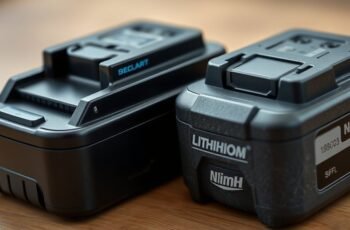
Deep cycle lithium batteries and AGM batteries are fundamental to energy storage systems, each with distinct advantages and limitations. We examine their performance, lifespan, costs, and safety features to help you make an informed choice. As technology advances and demands grow, understanding these differences becomes increasingly critical. The decision between them influences not only efficiency but also long-term sustainability — and that’s why it’s essential to explore their characteristics thoroughly.
Key Takeaways
- Deep cycle lithium batteries offer higher energy density and longer lifespan compared to AGM batteries.
- Lithium batteries have better cycle durability, lasting over 2000 cycles, while AGM typically lasts 500-1000 cycles.
- AGM batteries are more affordable upfront but require more frequent replacements, increasing long-term costs.
- Lithium batteries include advanced safety features and are suitable for demanding off-grid applications.
- AGM batteries are maintenance-free and spill-proof but pose environmental challenges due to lead and acid content.
What Are Deep Cycle Lithium and AGM Batteries?
Deep cycle lithium and AGM (Absorbent Glass Mat) batteries are specialized types of rechargeable batteries designed for sustained, deep discharges and repeated cycling. These batteries are integral to applications requiring reliable energy over extended periods, such as renewable energy storage and off-grid systems. Their design influences battery recycling processes, impacting environmental impact by determining how efficiently materials can be reclaimed. Deep cycle lithium batteries typically feature lithium-ion chemistries that promote longer lifespan and higher energy density, whereas AGM batteries use absorbed glass mats to immobilize the electrolyte, offering maintenance-free operation. Both types, however, pose environmental challenges if improperly disposed of, emphasizing the importance of effective recycling programs. Understanding these distinctions helps evaluate their sustainability and environmental footprint.
How Do Deep Cycle Lithium and AGM Batteries Work?
While both deep cycle lithium and AGM batteries store and release electrical energy through electrochemical processes, their internal mechanisms differ markedly. AGM batteries utilize a lead-acid design with glass mats absorbing sulfuric acid, enabling rapid charge acceptance and deep cycling. In contrast, lithium batteries employ lithium-ion cells with a solid electrolyte, offering higher energy density and longer cycle life. These differences impact their environmental impact, especially concerning battery recycling; lithium batteries are more challenging to recycle but have a lower environmental footprint if properly processed. AGM batteries, being more mature in recycling technology, pose less difficulty but contain lead, which is hazardous. Understanding these mechanisms helps evaluate not only performance but also the sustainability implications of each technology.
Comparing Performance: Power Output and Efficiency
When comparing power output and efficiency, we focus on the consistency of power delivery, charge efficiency, and how well each battery handles discharge cycles. Lithium batteries typically offer higher charge efficiency and more stable power delivery over time, while AGM batteries may show more variability. Evaluating these factors helps determine which technology sustains performance best under demanding conditions.
Power Delivery Consistency
Power delivery consistency is essential when evaluating deep cycle lithium batteries versus AGM options, as it directly impacts operational reliability and efficiency. Lithium batteries provide a stable, high-quality power output with minimal voltage sag, ensuring consistent performance under varying loads. This stability translates to smoother operation and reduced system strain. AGM batteries, while reliable, often experience voltage drops under heavy load, leading to fluctuations that can affect sensitive equipment. From an environmental perspective, lithium batteries’ durability and longer cycle life support better battery recycling practices, minimizing waste. Conversely, AGM batteries typically require more frequent replacements, increasing environmental impact. Evaluating power delivery consistency helps determine not just performance, but also the sustainability footprint of each technology over their operational lifespan.
Charge Efficiency Levels
Charge efficiency levels directly influence the overall performance and operational costs of deep cycle batteries, making them a critical factor in comparative evaluations. Lithium batteries generally exhibit higher charge efficiency, reducing energy loss during charging. AGM batteries, while efficient, tend to have slightly lower energy transfer rates. This difference impacts power output consistency and long-term operational costs. Additionally, higher efficiency in lithium batteries can translate to less frequent replacements, indirectly affecting environmental impact through battery recycling demands.
| Battery Type | Charge Efficiency | Environmental Impact |
|---|---|---|
| Lithium | > 95% | Lower, due to longer lifespan and recyclability |
| AGM | 80-85% | Higher, due to shorter lifespan and disposal needs |
Discharge Capacity Durability
Despite their similar roles in energy storage, lithium and AGM batteries differ considerably in discharge capacity durability, which directly impacts their power output stability and long-term efficiency. Lithium batteries typically maintain a more consistent discharge capacity over numerous cycles, owing to their stable chemistry and minimal capacity fade. AGM batteries, however, often experience faster capacity degradation, reducing effective power output over time. This variance influences not only performance but also environmental impact; lithium batteries, while more durable, pose recycling challenges due to complex processes. AGM batteries are generally easier to recycle but contribute to environmental concerns through lead and acid disposal. Ultimately, understanding these differences helps optimize system longevity while considering environmental impact and the recycling process for sustainable energy solutions.
Lifespan and Durability of Lithium vs AGM Batteries
When evaluating lifespan and durability, lithium batteries generally offer higher wear resistance and longer service life compared to AGM models. Their reduced maintenance requirements translate into fewer replacement cycles over time. Analyzing these factors helps determine the long-term cost-effectiveness of each battery type.
Longevity and Wear Resistance
Lithium batteries generally outperform AGM (Absorbent Glass Mat) batteries regarding lifespan and wear resistance due to their advanced chemical composition and construction. They typically last longer, often exceeding 2000 charge cycles compared to AGM’s 500-1000 cycles, which enhances durability. Key factors include:
- Cycle Life: Lithium’s stable chemistry resists capacity fade, maintaining performance over time.
- Wear Resistance: Lithium’s reduced internal resistance minimizes degradation under high discharge rates.
- Environmental Impact & Recycling: Lithium batteries are more amenable to recycling, reducing environmental footprint, though responsible recycling remains essential. Overall, lithium’s longevity and resilience make it a more sustainable choice for long-term applications, despite considerations around battery recycling practices.
Maintenance and Replacement Cycles
While both lithium and AGM batteries require minimal maintenance, their replacement cycles differ considerably due to their distinct chemical and structural characteristics. Lithium batteries typically last 8-15 years with proper care, thanks to deeper cycle life and better resistance to capacity fade. AGM batteries, however, generally need replacement every 3-5 years due to sulfation and grid corrosion. This longevity impacts battery recycling efforts and environmental impact; longer-lasting lithium batteries reduce waste and lower disposal frequency. Conversely, AGM batteries’ shorter lifespan increases the volume of spent units, raising environmental concerns.
| Feature | Lithium Battery | AGM Battery |
|---|---|---|
| Typical lifespan | 8-15 years | 3-5 years |
| Impact on recycling | Reduced waste, longer use | Higher turnover, more waste |
| Environmental considerations | Lower environmental footprint | Increased disposal needs |
| Resistance to wear | Higher due to structural design | More susceptible to sulfation |
Cost Differences and Long-Term Value
Although lithium batteries typically have a higher initial purchase price, their long-term cost benefits often outweigh this upfront expense. Key factors include:
- Extended lifespan: Lithium batteries offer considerably more charge cycles, reducing replacement frequency and associated costs.
- Efficiency and performance: Higher energy density means less energy loss, lowering operational costs over time.
- Environmental impact: Lithium batteries facilitate improved battery recycling processes, minimizing waste and ecological footprint, unlike AGM batteries, which pose more challenges for recycling.
While AGM batteries may seem cheaper initially, their shorter lifespan and higher maintenance costs diminish long-term value. Lithium batteries’ durability and recyclability contribute to a more sustainable, cost-effective energy storage solution over time.
Safety Features and Charging Considerations
Safety features and proper charging protocols play a vital role in maximizing the performance and lifespan of energy storage systems. Lithium batteries incorporate advanced safety mechanisms, such as thermal management and integrated protection circuits, to prevent overcharge, over-discharge, and thermal runaway. AGM batteries rely on robust valve-regulated technology, reducing spill risks and ensuring safer operation. Proper charging practices—using compatible chargers and adhering to voltage and current limits—are essential for both types, minimizing degradation and potential hazards. These practices also influence environmental impact, as safe disposal and battery recycling become more feasible when batteries are maintained correctly. Ultimately, integrating extensive safety features and disciplined charging protocols helps extend battery life, reduces safety risks, and supports sustainable disposal practices, benefiting both users and the environment.
Which Battery Is Best for Off-Grid Systems?
Selecting the most suitable battery for off-grid systems depends on balancing energy capacity, longevity, safety, and cost-effectiveness. When choosing between deep cycle lithium and AGM batteries, consider these critical factors:
- Lifecycle and Durability: Lithium batteries generally offer longer cycle life, reducing replacement frequency.
- Environmental Impact and Recycling: Lithium batteries are more environmentally friendly with advanced recycling options, whereas AGM batteries involve lead-acid components with more challenging recycling processes.
- Cost and Safety: AGM batteries tend to be cheaper upfront but pose higher safety risks due to acid spillage, while lithium options prioritize safety and sustainability.
Ultimately, lithium batteries provide a more sustainable choice for off-grid systems, given their superior longevity and environmental benefits, despite higher initial costs.
Pros and Cons of Deep Cycle Lithium Batteries
Deep cycle lithium batteries have gained prominence in off-grid applications due to their impressive performance characteristics. They offer higher energy density, longer lifespan, and faster charge rates compared to traditional options. However, their pros include reduced weight and enhanced efficiency, making them ideal for demanding environments. On the downside, lithium batteries pose challenges in battery recycling, as their complex chemistry complicates disposal and recycling processes. This raises concerns about environmental impact, especially if not properly managed. Despite these issues, advancements are improving recycling methods, mitigating some environmental risks. Nonetheless, their initial higher cost can be a barrier. Overall, while lithium batteries excel in performance, careful consideration of environmental impact and recycling infrastructure remains essential for sustainable deployment.
Pros and Cons of AGM Batteries
AGM (Absorbent Glass Mat) batteries are widely used in various applications due to their maintenance-free design and reliable performance. Their advantages include:
- Low Maintenance and Spill-Proof Design: Ideal for sealed environments, reducing the risk of acid leaks but complicating battery recycling processes.
- Environmental Impact: AGM batteries contain lead and acid, raising concerns about disposal and recycling, which can pose environmental hazards if not managed properly.
- Cost and Lifecycle: While initially more affordable, AGM batteries tend to have a shorter lifespan than lithium counterparts, increasing the frequency of replacement and waste.
Frequently Asked Questions
How Do Temperature Variations Affect Lithium and AGM Battery Performance?
Temperature variations impact thermal stability and cause voltage fluctuations in both lithium and AGM batteries. Lithium batteries generally maintain better thermal stability, but extreme cold or heat can still reduce their performance, while AGM batteries are more sensitive to temperature shifts.
Are Lithium Batteries Environmentally Friendly Compared to AGM Batteries?
We find lithium batteries, with 10-15 year longevity, more eco-friendly than AGM batteries, which often end up in landfills sooner. They offer better cost efficiency over time, reducing environmental impact through prolonged use and fewer replacements.
Can Lithium Batteries Be Recycled Easily Like AGM Batteries?
We find that lithium batteries pose more complex recycling processes and disposal challenges than AGM batteries, requiring specialized facilities and procedures. While recyclable, their technical handling demands advanced methods to mitigate environmental impacts effectively.
What Maintenance Is Required for Deep Cycle Lithium Versus AGM Batteries?
Think of batteries like marathon runners; lithium batteries require minimal maintenance, following precise charging protocols to maximize lifespan, while AGM batteries need regular checks. Both need proper care to guarantee peak performance and longevity.
How Do Warranty Periods Compare Between Lithium and AGM Batteries?
We observe that lithium batteries typically offer longer warranty periods due to superior battery lifespan and durability, while AGM batteries have shorter warranties, reflecting their lower initial cost but reduced longevity in a detailed cost comparison analysis.
Conclusion
In our analysis, deep cycle lithium batteries outperform AGM in lifespan—lasting up to 15 years compared to 5 for AGM—making them a smarter long-term investment despite higher upfront costs. Their superior efficiency, faster charging, and safety features support demanding energy needs. As renewable systems grow, choosing a battery that maximizes durability and performance becomes essential. Ultimately, understanding these technical differences helps us make informed decisions for sustainable, reliable energy storage solutions.