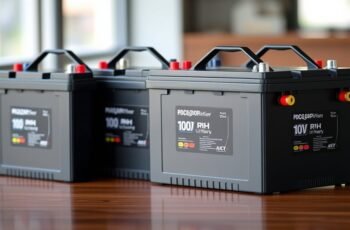
The differences between marine lithium batteries can mean the difference between reliable power and critical failure at sea—an outcome no vessel can afford. With so many brands, chemistries, and safety features to evaluate, choosing the right one isn’t straightforward. Understanding these nuances is essential for optimizing performance, safety, and long-term value. We’ll explore the key factors that influence your decision, starting with what makes these batteries tick and how to select the best fit for your vessel.
Key Takeaways
- Compare battery chemistry, safety features, and certifications to assess reliability and environmental impact.
- Evaluate cycle life, warranty coverage, and long-term cost implications for vessel-specific needs.
- Assess safety measures like overcharge protection, thermal management, and BMS integration.
- Consider size, capacity, and compatibility with vessel systems for optimal performance.
- Review sustainability practices, recycling options, and manufacturing standards for eco-friendliness.
How Do Deep Cycle Marine Lithium Batteries Work?
Although they may seem simple on the surface, deep cycle marine lithium batteries operate through sophisticated electrochemical processes that enable them to deliver consistent, high-capacity power over extended periods. Their battery chemistry primarily involves lithium-ion cells, which facilitate a high energy density and efficient charge transfer. This chemistry guarantees excellent voltage stability, maintaining a steady output even as the battery discharges. Unlike lead-acid counterparts, lithium-ion cells minimize voltage sag, providing reliable power for demanding marine applications. The electrochemical reactions in these batteries involve lithium ions moving between the cathode and anode, generating electrons that flow through the load. This seamless ion exchange maintains stable voltage levels, ensuring reliable operation during prolonged use, which is critical for marine environments where consistent power is essential.
Key Features to Consider When Choosing a Marine Lithium Battery
When selecting a marine lithium battery, it’s essential to evaluate several critical features that directly impact performance, safety, and longevity. Battery safety is paramount; look for built-in protections against overcharge, over-discharge, and thermal runaway, ensuring reliable operation in marine environments. Additionally, consider the environmental impact—opt for batteries with minimal hazardous materials and responsible manufacturing practices, reducing ecological footprint. The battery’s chemical stability influences safety and durability, while advanced BMS (Battery Management Systems) enhance safety features and optimize performance. Durability against corrosion, vibration, and temperature fluctuations is equally important to ensure longevity. Prioritizing these features helps guarantee a safe, environmentally conscious, and dependable marine lithium battery tailored to your specific needs.
Comparing Top Marine Lithium Battery Brands and Models
We’ve analyzed several leading marine lithium battery brands and models to provide a thorough comparison of their technical specifications, safety features, and performance metrics. When evaluating these batteries, battery safety is paramount, including built-in protections against overcharge, thermal runaway, and short circuits. Notably, top brands incorporate advanced BMS (Battery Management Systems) to ensure safe operation and mitigate risks. Environmental impact also features prominently; many models utilize recyclable materials and low-emission manufacturing processes, reducing ecological footprints. Differences in cell chemistry, casing durability, and safety certifications further distinguish these brands. By scrutinizing these factors, we can identify models that prioritize safety and sustainability without compromising performance, helping boat owners make informed, responsible choices for their marine power needs.
Performance Differences: Capacity, Longevity, and Charging Efficiency
Performance differences among marine lithium batteries primarily manifest in their capacity, longevity, and charging efficiency. Capacity determines how much energy the battery can store, directly affecting runtime. Longevity reflects cycle life and resistance to capacity fade, with advanced chemistries offering longer service life and easier battery recycling. Charging efficiency depends on voltage stability, which ensures consistent power delivery and reduced heat generation during charge cycles. Key factors include:
- Higher capacity batteries provide extended operation times but may have increased weight.
- Longer cycle life enhances longevity, reducing replacement frequency and environmental impact.
- Voltage stability improves charging efficiency and maintains consistent performance under load.
- Enhanced battery recycling processes support sustainability and safe disposal of lithium components.
Understanding these performance metrics helps optimize marine power systems and promotes responsible battery management.
Which Battery Is Best for Small Boats, Yachts, or Commercial Vessels?
Choosing the appropriate marine lithium battery depends heavily on the vessel’s size, energy demands, and operational environment. For small boats, compact, high-capacity batteries with robust battery safety features are essential to prevent thermal runaway and guarantee reliable performance. Yachts require larger, multi-cell configurations tailored for longevity, with emphasis on environmental impact through reduced emissions and recyclability. Commercial vessels demand high-output batteries with superior safety protocols and fault tolerance, accommodating extended operation and heavy loads. Selecting the right battery involves evaluating safety certifications, such as UL or IEC standards, and understanding how each model minimizes environmental impact via low toxicity and recyclable components. Ultimately, the best choice balances safety, environmental considerations, and the vessel’s specific energy profile for ideal, sustainable operation.
Installation and Maintenance Tips for Marine Lithium Batteries
Proper installation and ongoing maintenance are essential to guaranteeing the safety, longevity, and peak performance of marine lithium batteries. Correct wiring involves dedicated, fused connections to prevent electrical faults. Regularly inspect battery terminals for corrosion and clean with approved solutions to maintain conductivity. Implement a rigorous maintenance schedule, including voltage checks and capacity testing, to detect early signs of degradation. Proper disposal practices, including battery recycling, reduce environmental impact and prevent hazardous waste. Additionally, verify the battery management system (BMS) functions correctly to protect against overcharging and deep discharge. These steps not only extend battery life but also promote environmental responsibility by minimizing waste. Adhering to precise installation and maintenance protocols safeguards both vessel and environment, supporting sustainable marine operations.
Cost Analysis: Price, Warranty, and Long-Term Value
When analyzing deep cycle marine lithium batteries, we focus on purchase price disparities, warranty coverage variations, and projected long-term cost benefits. These factors directly influence the overall value and return on investment over the battery’s lifespan. A thorough comparison requires examining initial costs alongside warranty terms and potential savings from extended durability.
Purchase Price Differences
The purchase price of deep cycle marine lithium batteries varies considerably across different brands and models, directly impacting long-term affordability. Higher upfront costs often reflect advanced cell chemistry, integrated safety features, and superior thermal management. Key factors influencing price include:
- Battery recycling processes, which add to initial manufacturing costs but enhance environmental sustainability.
- Raw material quality, especially for lithium and cobalt, affecting durability and performance.
- Brand reputation and warranty offerings, influencing perceived value.
- Cost associated with environmental impact mitigation, such as eco-friendly manufacturing practices.
While initial prices may seem steep, investing in batteries with better environmental impact credentials can reduce lifecycle costs, supporting sustainable marine operations. Careful analysis of purchase price differences helps optimize total cost of ownership and long-term value.
Warranty Coverage Variations
How do warranty coverage variations influence the overall cost-effectiveness of deep cycle marine lithium batteries? Different warranty durations and terms reflect manufacturer confidence in battery chemistry stability and durability, directly impacting long-term investment value. Batteries with all-encompassing warranties often incorporate advanced chemistry, such as lithium iron phosphate, which offers enhanced safety and reduced environmental impact due to fewer toxic materials. Extended coverage minimizes potential replacement costs, offsetting higher upfront prices. Conversely, limited warranties may indicate less robust chemistry or manufacturing quality, increasing lifecycle costs. Environmental impact considerations are intertwined, as batteries with durable chemistry and longer warranties tend to have a lower environmental footprint through prolonged usability and reduced waste. Ultimately, warranty coverage plays a critical role in evaluating true long-term value and sustainability of marine lithium batteries.
Long-Term Cost Savings
Evaluating long-term cost savings for deep cycle marine lithium batteries requires a thorough analysis of initial purchase prices, warranty coverage, and the projected lifespan. Lithium batteries generally have higher upfront costs but offer superior cycle life, reducing replacement frequency. Considerations include:
- Extended lifespan minimizes replacement costs and labor
- Extensive warranties protect against early failure, ensuring long-term value
- Battery recycling programs mitigate environmental impact, lowering disposal costs
- Better environmental performance reduces potential regulatory fees and aligns with sustainable practices
How to Choose the Right Marine Lithium Battery for Your Needs?
Selecting the appropriate marine lithium battery requires a clear understanding of your vessel’s power demands and operational conditions. We recommend evaluating your daily energy consumption, peak load requirements, and recharge cycles to identify the most suitable capacity and chemistry. Battery safety is paramount; choose models with built-in protection features such as thermal shutdown and overcharge prevention to mitigate risk. Additionally, consider the environmental impact—opt for batteries with environmentally friendly chemistries and responsible manufacturing practices. Compatibility with existing charging systems and inverter setups must also be assessed to ensure efficient performance. By carefully analyzing these technical factors, you can select a marine lithium battery that offers reliable power, safety, and minimized ecological footprint tailored precisely to your boating needs.
Frequently Asked Questions
Are Marine Lithium Batteries Environmentally Friendly?
Yes, marine lithium batteries are eco-friendly due to eco-friendly practices like reduced emissions during manufacturing and efficient energy use. We promote battery recycling to minimize environmental impact, ensuring responsible disposal and supporting sustainability efforts in marine applications.
How Do Temperature Changes Affect Battery Performance?
Temperature fluctuations can impact battery performance, as thermal regulation and temperature stability are vital; extreme heat accelerates degradation, while cold reduces capacity, so maintaining consistent temperatures guarantees peak efficiency and longevity in marine lithium batteries.
Can Lithium Batteries Be Used With Existing Charging Systems?
We confirm lithium batteries can be compatible with existing charging systems if they support appropriate charging profiles, ensuring proper charging compatibility and battery maintenance. Proper system adjustments prevent overcharging and extend battery lifespan, making integration both safe and efficient.
What Safety Precautions Should I Follow With Marine Lithium Batteries?
We prioritize battery fire safety and strictly follow charging safety protocols, as if walking a tightrope. Handling marine lithium batteries with care guarantees thermal runaway is avoided, keeping your vessel safe and your journey smooth.
How Do I Dispose of or Recycle Old Lithium Batteries Properly?
We recommend battery recycling through certified e-waste facilities and following disposal procedures outlined by local regulations. Proper handling prevents environmental harm, guarantees safety, and complies with laws, making it essential to dispose of lithium batteries responsibly.
Conclusion
As we navigate the complexities of selecting the ideal deep cycle marine lithium battery, the decision hinges on precise performance metrics and safety features tailored to your vessel’s demands. Imagine your vessel powered seamlessly, with batteries that not only meet but exceed expectations—ensuring safety, longevity, and efficiency. The right choice isn’t just about specs; it’s about foresight into future reliability. Stay vigilant, because the right battery could transform your marine experience in ways you haven’t yet imagined.