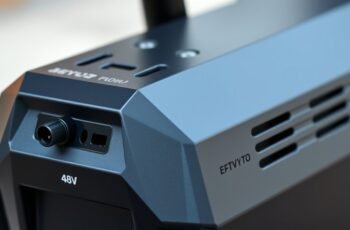
When selecting a marine battery, understanding the technical differences between lithium and AGM options is essential for optimizing performance and safety. Each type offers distinct advantages and limitations that can impact operational efficiency, lifespan, and environmental considerations. As we compare these technologies, it becomes clear that choosing the right battery depends on specific needs and long-term value—something that warrants careful analysis before making a decision.
Key Takeaways
- Lithium batteries offer higher energy density, faster charging, and longer lifespan compared to AGM batteries.
- AGM batteries are cost-effective upfront, easier to install, and more straightforward to recycle due to lead content.
- Lithium batteries provide better performance, stability, and safety features with advanced BMS integration.
- AGM batteries are suitable for moderate applications with lower maintenance and environmental impact concerns.
- Long-term, lithium batteries deliver greater value despite higher initial costs due to durability and superior performance.
How Do Marine Lithium and AGM Batteries Differ in Technology?
Although both marine lithium and AGM batteries serve as reliable power sources, their underlying technologies differ markedly. Marine lithium batteries utilize lithium-ion chemistry, featuring lightweight, high-energy-density cells with advanced battery management systems for precise control. AGM batteries, on the other hand, employ absorbed glass mat separators that immobilize the electrolyte, making them maintenance-free and robust. From an environmental perspective, lithium batteries pose challenges in battery recycling, requiring specialized processes to mitigate environmental impact. Conversely, AGM batteries contain lead and other materials that are more straightforward to recycle but still contribute to environmental concerns if not disposed of properly. These technological differences influence not only performance but also the sustainability aspects associated with each type.
What Are the Pros and Cons of Marine Lithium Batteries?
Marine lithium batteries offer several notable advantages, making them an increasingly popular choice for marine applications. Their high energy density and fast charging capabilities enhance performance and efficiency onboard. However, there are notable considerations, particularly regarding environmental impact and battery recycling. Lithium batteries contain materials that require responsible disposal and recycling to prevent environmental contamination. While they have a longer lifespan than traditional batteries, improper disposal can pose ecological risks. Additionally, their lightweight design reduces vessel weight, improving fuel efficiency. Yet, the high initial cost remains a barrier for some users. Despite these factors, the benefits of superior performance, longevity, and reduced maintenance often outweigh the drawbacks, making marine lithium batteries an attractive, albeit environmentally sensitive, option for many marine applications.
What Are the Advantages and Disadvantages of AGM Batteries?
Gel absorbed glass mat (AGM) batteries are a popular choice for marine applications because they offer a reliable balance of performance and safety. Their sealed design minimizes the risk of acid leaks and allows for maintenance-free operation. However, AGM batteries have notable disadvantages, including limited cycle life compared to lithium alternatives, which can lead to higher replacement costs over time. Environmental impact is also a concern, as AGM batteries contain lead and other hazardous materials, complicating battery recycling efforts. While recycling processes exist, they can be complex and costly, potentially affecting sustainability. Despite these drawbacks, AGM batteries remain favored for their robustness and safety, but understanding their environmental implications and recycling challenges is *vital* for responsible marine energy management.
Which Battery Type Is Better for Different Marine Uses?
When selecting the most suitable battery for specific marine applications, we must consider power capacity, longevity, and overall cost efficiency. Lithium batteries generally offer higher energy density and longer cycle life, making them suitable for demanding or extended use, while AGM batteries tend to be more cost-effective with lower maintenance needs. Analyzing these factors helps determine which battery type aligns best with the operational demands and budget constraints of different marine setups.
Power Capacity and Longevity
While both lithium and AGM batteries deliver reliable power, their capacities and longevity vary considerably depending on application. Lithium batteries generally offer higher energy density, leading to greater power capacity over extended periods, making them ideal for long-term marine use. AGM batteries tend to have shorter lifespans but provide stable performance for moderate applications.
Key considerations include:
- Lithium batteries support more charge cycles, reducing the frequency of replacement and lowering long-term costs.
- AGM batteries have a shorter lifespan, impacting overall power capacity over time.
- Environmental impact and battery recycling are critical, with lithium batteries presenting challenges but also opportunities for sustainable recycling, whereas AGM batteries contain lead, requiring careful disposal.
Choosing the appropriate type depends on specific marine power demands and sustainability priorities.
Maintenance and Cost Efficiency
Choosing the right marine battery involves evaluating both maintenance requirements and overall cost efficiency, as these factors considerably influence long-term operational performance. Marine lithium batteries typically require less maintenance, with minimal watering and monitoring, translating into lower labor costs over time. AGM batteries demand periodic checks and can suffer from reduced lifespan if not maintained properly. From a cost perspective, lithium batteries have higher initial prices but offer longer cycle life and better efficiency, reducing replacement frequency. Additionally, lithium batteries are more environmentally friendly due to easier battery recycling processes and reduced hazardous waste. AGM batteries, however, pose greater environmental impacts due to lead content and more complex recycling procedures. Ultimately, the choice depends on specific marine use, balancing upfront costs against long-term savings and environmental considerations.
How Do Cost and Lifespan Compare Between Lithium and AGM Batteries?
Although lithium batteries typically have a higher upfront cost than AGM batteries, their extended lifespan and superior performance often justify the initial expense. Lithium batteries generally last 5-10 times longer, reducing replacement frequency. Additionally, they offer higher energy density and more consistent discharge rates, improving overall efficiency. When considering total cost of ownership, factors like battery recycling and environmental impact become relevant; lithium batteries are more recyclable but contain materials requiring careful disposal. AGM batteries tend to have lower purchase costs but shorter lifespans, leading to more frequent replacements and higher long-term costs.
Lithium batteries cost more initially but last longer and perform better, reducing long-term expenses and environmental impact.
- Higher initial cost but longer lifespan
- Better performance and efficiency over time
- Environmental considerations like battery recycling and disposal
What Factors Should You Consider When Choosing Your Marine Battery?
When selecting a marine battery, we need to evaluate its lifespan and durability to guarantee long-term reliability under marine conditions. Power capacity and performance are critical for meeting the demands of onboard systems and ensuring consistent operation. By analyzing these factors systematically, we can make informed decisions that optimize both efficiency and safety.
Battery Lifespan and Durability
Understanding the factors that influence a marine battery’s lifespan and durability is essential for making an informed purchase. Key considerations include corrosion resistance, environmental impact, and build quality. Corrosion resistance directly affects longevity, especially in harsh marine environments where saltwater accelerates degradation. The environmental impact of the battery, including disposal and recyclability, also influences durability by dictating maintenance and replacement cycles. Additionally, construction quality—such as sealing and internal design—determines how well the battery withstands vibrations and temperature fluctuations.
- Resistance to corrosion in saltwater conditions
- Environmental impact through recyclability and eco-friendliness
- Structural integrity against vibrations and thermal stresses
Power Capacity and Performance
Selecting the right marine battery requires a thorough evaluation of its power capacity and performance characteristics, as these directly impact the reliability and efficiency of your vessel’s electrical systems. Key factors include capacity ratings, discharge rates, and cycle life. Lithium batteries typically offer higher energy density and faster charge times, enhancing overall performance. Conversely, AGM batteries tend to have stable power output but lower capacity. Consider environmental impact and battery recycling processes, as lithium batteries are more recyclable but require careful disposal to prevent contamination.
| Battery Type | Power Capacity | Environmental Impact |
|---|---|---|
| Marine Lithium | Higher, faster discharge | Easier recycling, less toxic |
| AGM | Moderate, steady output | Less recyclable, more lead waste |
How Easy Are Marine Lithium and AGM Batteries to Install and Maintain?
Installing and maintaining marine lithium and AGM batteries varies considerably in complexity, with each type demanding specific procedures and considerations. Marine lithium batteries typically require more advanced installation procedures, including proper battery management systems (BMS) integration and adherence to manufacturer guidelines. AGM batteries are generally more straightforward, often compatible with existing battery setups. Maintenance involves regular checks of connections and electrolyte levels for AGM, though lithium batteries demand less routine intervention. Both types impact the environment differently, especially considering battery recycling and disposal. Lithium batteries offer longer lifespans, reducing environmental impact over time, but pose recycling challenges. AGM batteries are easier to recycle but have shorter cycles. Proper handling and disposal are essential for minimizing environmental footprints.
- Installation complexity and compatibility
- Routine maintenance requirements
- Environmental impact and recycling procedures
Which Marine Battery Offers Better Safety and Reliability?
While both marine lithium and AGM batteries are designed to deliver reliable power, lithium batteries generally offer superior safety features due to their advanced management systems and stable chemistry. Lithium batteries incorporate sophisticated Battery Management Systems (BMS) that monitor voltage, current, and temperature, reducing the risk of thermal runaway and fires. AGM batteries, though robust, rely on absorbed glass mat technology that can be vulnerable to damage and sulfation over time, impacting reliability. Regarding environmental impact, lithium batteries pose challenges related to Battery Recycling, as their chemical complexity complicates disposal. However, their longer lifespan can reduce waste overall. AGM batteries are more straightforward to recycle but tend to have shorter service lives, influencing their environmental footprint. Overall, lithium batteries demonstrate enhanced safety and reliability, but environmental considerations remain important.
Frequently Asked Questions
Are Marine Lithium Batteries Environmentally Friendly?
We believe marine lithium batteries are more eco-friendly due to their longer lifespan and efficient recycling processes, reducing waste and environmental impact. Their durability minimizes replacements, and advanced recycling methods help recover valuable materials responsibly.
How Do Marine Batteries Perform in Extreme Weather Conditions?
Like a seasoned sailor facing storms, we find marine batteries withstand extreme weather with minimal impact on battery lifespan and charging efficiency. Their resilience guarantees reliable power, even in harsh conditions, demonstrating robust performance and dependable endurance.
Can Marine Lithium Batteries Be Used With Existing Charging Systems?
We confirm marine lithium batteries generally offer excellent charging compatibility with existing systems, but adjustments may extend battery lifespan by optimizing charge profiles. Proper compatibility guarantees efficient operation, enhancing performance and durability in demanding marine environments.
What Is the Impact of Battery Weight on Boat Performance?
Imagine your boat slicing through water; heavy batteries shift weight distribution, affecting hull stability and handling. Lighter lithium batteries optimize performance, reducing drag and improving maneuverability, while heavier AGM batteries may cause sluggish response and uneven weight balance.
Are There Any Legal Regulations Specific to Marine Lithium Batteries?
We find that marine lithium batteries must meet strict regulatory compliance and certification requirements, ensuring safety and performance standards are upheld. These regulations vary by region, emphasizing the importance of verifying local legal frameworks before installation or use.
Conclusion
Ultimately, choosing between marine lithium and AGM batteries is like selecting the right tool for a precise job. Lithium batteries are the finely tuned engines, offering unmatched performance but demanding careful handling and investment. AGM batteries are the reliable workhorses—more affordable and easier to manage. By weighing your operational needs against these factors, you’ll navigate toward a solution that fuels your marine adventures with efficiency and confidence.