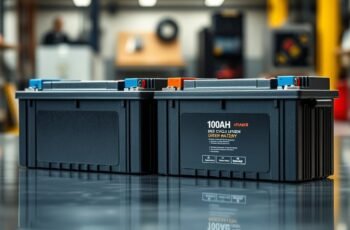
When comparing LiPo and lithium-ion batteries, understanding their distinct designs and performance characteristics is essential for making informed choices. Each type offers specific advantages and limitations that impact their suitability for different applications. As we explore their construction, capacity, safety, and lifespan, it becomes clear that selecting the right battery depends on precise technical considerations. To determine which best fits your needs, considering these differences is vital, and the details that follow will help clarify your decision.
Key Takeaways
- LiPo batteries are flexible, lightweight, and can be shaped into custom forms, unlike rigid lithium-ion batteries with metal casings.
- Lithium-ion batteries generally have higher cycle life and more stable capacity retention over time.
- LiPo batteries offer higher specific capacity and power output, ideal for high-demand, lightweight applications.
- Lithium-ion batteries have more established recycling processes, reducing environmental impact compared to challenging LiPo recycling.
- Both pose safety risks if damaged or improperly charged, requiring careful handling and proper charging practices.
What Are LiPo and Lithium-Ion Batteries? An Overview
LiPo (lithium polymer) and lithium-ion batteries are both rechargeable energy storage devices widely used in portable electronics, electric vehicles, and remote-controlled models. Their design differences influence performance, safety, and lifespan. From an environmental perspective, battery recycling is vital to minimize waste and recover valuable materials like lithium, cobalt, and nickel. Proper recycling reduces the environmental impact by preventing hazardous chemical leaks and conserving natural resources. Both battery types contain complex chemistries that pose challenges in disposal, emphasizing the importance of efficient recycling processes. As usage grows, understanding how to manage their end-of-life stages becomes essential to mitigate ecological harm, ensuring sustainable use of these energy sources while addressing the environmental impact associated with their production, operation, and disposal.
How Do LiPo and Lithium-Ion Batteries Differ in Construction
LiPo and lithium-ion batteries differ primarily in electrode material composition, with LiPo cells using a gel-like polymer electrolyte and lithium-ion cells employing a liquid electrolyte. Their structural designs also vary, as LiPo batteries typically feature a flexible, pouch-like form factor, while lithium-ion batteries have rigid cylindrical or prismatic cases. These construction differences influence their separator materials and overall performance characteristics.
Electrode Material Composition
While both lithium polymer (LiPo) and lithium-ion batteries utilize lithium-based active materials, their electrode compositions differ particularly due to variations in construction. The electrode composition in LiPo batteries typically involves a gel-like polymer electrolyte with a layered electrode structure, allowing for flexible form factors. In contrast, lithium-ion batteries employ a liquid electrolyte with electrodes composed of layered materials like cobalt, nickel, or manganese oxides. Key distinctions include:
- Electrode Structure: LiPo electrodes are embedded in a solid or gel polymer matrix, offering material flexibility.
- Material Enhancement: Lithium-ion electrodes often undergo material enhancement with surface coatings to improve stability and lifespan.
- Electrode Composition: Lithium-ion electrodes rely on layered metal oxide materials, whereas LiPo electrodes focus on polymer-based active layers, affecting overall performance.
Separator and Electrolyte Types
The construction differences between LiPo and lithium-ion batteries primarily stem from their choice of separators and electrolytes, which directly influence performance, safety, and form factor. LiPo batteries utilize a polymer-based separator, typically a polyethylene or polypropylene film, which is permeable and flexible, allowing for a thinner, lightweight design. Lithium-ion batteries employ ceramic or microporous separator materials, providing higher thermal stability but slightly increased rigidity. Electrolyte variations are also critical: LiPo batteries contain a gel-like or polymer electrolyte that remains flexible, enhancing compactness and reducing leakage risk. In contrast, lithium-ion batteries use liquid electrolytes composed of lithium salts dissolved in organic solvents, which offer high ionic conductivity but require careful thermal management. These differences in separator types and electrolyte variations fundamentally shape each battery’s application and safety characteristics.
Structural Design Differences
The primary differences in construction between LiPo and lithium-ion batteries lie in their cell architecture and assembly methods. LiPo batteries feature a soft, flexible, polymer-based electrolyte, allowing for a lightweight, pouch-style design that minimizes rigidity. In contrast, lithium-ion batteries utilize a rigid cylindrical or prismatic metal casing with a liquid electrolyte, providing structural stability. These design distinctions influence their environmental impact and battery recycling processes.
- Cell Enclosure: LiPo’s pouch cells are easier to recycle due to their minimal casing, whereas cylindrical lithium-ion cells require more complex disassembly.
- Electrolyte Composition: Polymer electrolytes in LiPo batteries reduce leakage risks, affecting disposal procedures.
- Structural Flexibility: LiPo’s flexible design enables custom shapes, impacting manufacturing and recycling efficiency.
Comparing Performance: Capacity, Power, and Usage
When comparing Lipo batteries and lithium-ion batteries, it’s essential to examine their capacity, power delivery, and typical usage scenarios to understand their performance differences. Lipo batteries generally offer higher specific capacity and power output, making them suitable for high-demand applications like drones and RC vehicles. Lithium-ion batteries, however, tend to have more consistent capacity retention over numerous charge cycles, which influences their longevity. In terms of usage, LiPos excel in lightweight, compact designs, while lithium-ion cells are favored for portable electronics. Both battery types impact the environment differently; lithium-ion batteries are more widely recycled, reducing environmental impact, whereas LiPo batteries pose challenges due to their chemical complexity. Understanding these performance aspects aids in selecting the right battery for specific technical and environmental considerations.
Safety Considerations for LiPo and Lithium-Ion Batteries
Although LiPo and lithium-ion batteries offer high energy densities and reliable performance, safety remains a critical concern due to their chemical properties. Both battery types pose risks of thermal runaway, fire, and explosion if damaged, improperly charged, or punctured. To mitigate these risks, strict handling protocols are essential, including proper charging equipment and storage conditions. Additionally, safety considerations extend to environmental impact, emphasizing the importance of responsible battery recycling to prevent hazardous material release. Key safety measures include:
- Using compatible chargers and monitoring charging processes to prevent overcharge or short circuits.
- Avoiding physical damage and ensuring proper storage to reduce risk of leaks or thermal events.
- Promoting battery recycling to minimize environmental hazards and recover valuable materials.
Lifespan and Durability: Which Battery Lasts Longer?
Determining which battery type lasts longer depends on several factors, including usage patterns, operating conditions, and maintenance practices. Lithium-ion batteries generally have a longer cycle life, often exceeding 500 full charge cycles, compared to LiPo batteries, which typically offer around 300-400 cycles. However, LiPo batteries tend to degrade faster under high-temperature conditions, reducing their lifespan. Both types impact the environment through battery recycling challenges, with lithium-ion batteries often being more recyclable due to established processes. Durability also influences environmental impact, as longer-lasting batteries reduce waste. Proper management and recycling programs are essential to minimize ecological effects. Ultimately, lithium-ion batteries usually last longer, but the choice depends on specific application demands and sustainability considerations.
Cost Differences Between LiPo and Lithium-Ion Batteries
LiPo batteries typically have a higher upfront cost than lithium-ion batteries, primarily due to their specialized construction and manufacturing processes. This cost discrepancy influences overall expenditure, especially when considering long-term factors like battery recycling and environmental impact.
- Manufacturing complexity raises initial prices for LiPo batteries.
- Recycling processes differ, impacting disposal costs and environmental footprint.
- Lithium-ion batteries generally benefit from economies of scale, reducing unit costs over time.
While LiPo batteries may be more expensive initially, their design can influence environmental impact and recycling efficiency. Lithium-ion batteries often have lower purchase costs but may entail higher costs related to disposal and environmental management. Understanding these cost dynamics helps in making informed choices aligned with sustainability goals.
Best Use Cases for LiPo Batteries
LiPo batteries are ideal for applications requiring lightweight design, high energy density, and flexible form factors. Their lightweight nature makes them suitable for drones, RC models, and wearable devices where minimizing weight is critical. Their high energy density ensures longer operation times without increasing size, while flexible packaging allows for innovative design integration. These batteries also benefit from high charging efficiency, enabling rapid recharge cycles essential for frequent use. However, their distinct chemistry necessitates careful consideration of battery recycling practices to mitigate environmental impact. The ability to efficiently recycle LiPo batteries is crucial for sustainable use, especially given their widespread application in consumer electronics. Overall, LiPo batteries excel in scenarios demanding compactness, agility, and reliable performance.
Ideal Applications for Lithium-Ion Batteries
Lithium-ion batteries are well-suited for portable electronic devices due to their high energy density and long cycle life. They are also the preferred choice for electric vehicles, providing the necessary power and rechargeability for efficient operation. Understanding these applications helps clarify the strengths that make lithium-ion batteries ideal in these contexts.
Portable Electronic Devices
Have you ever wondered why lithium-ion batteries dominate portable electronic devices? Their high energy density, lightweight design, and ability to withstand numerous charge cycles make them ideal. These batteries are essential for smartphones, laptops, and tablets, where space efficiency and longevity are critical. Additionally, advancements in battery recycling technology are improving the sustainability of lithium-ion use, reducing environmental impact through better recovery of materials.
Key advantages include:
- Superior energy-to-weight ratio for portable applications
- Long cycle life, supporting device durability
- Compatibility with recycling processes to mitigate environmental concerns
These factors position lithium-ion batteries as the preferred power source for portable electronics, balancing performance with ecological considerations.
Electric Vehicle Use
Why are lithium-ion batteries considered the ideal power source for electric vehicles? Their high energy density allows longer driving ranges, while their lightweight design enhances vehicle efficiency. Lithium-ion batteries also offer superior charge-discharge cycles, ensuring durability and longevity under demanding conditions. From an environmental impact perspective, advancements in recycling processes are vital; effective recycling reduces resource extraction and minimizes waste. As electric vehicles become more prevalent, improving recycling methods for lithium-ion batteries will mitigate ecological concerns associated with end-of-life disposal. These factors collectively make lithium-ion technology the preferred choice for EV applications, balancing performance with sustainability. Their proven reliability and ongoing innovations continue to support the shift toward cleaner transportation solutions.
Choosing the Right Battery: Factors to Consider for Your Devices
Selecting the appropriate battery for your device requires careful consideration of several critical factors. These include capacity, safety, and environmental impact. Capacity determines operational runtime, which varies between LiPo and lithium-ion batteries. Safety concerns involve thermal stability and potential risks like overcharging. Environmental impact encompasses factors such as battery recycling processes and the overall ecological footprint.
Choosing the right battery involves balancing capacity, safety, and eco-friendly recycling for optimal device performance.
To make an informed choice, consider:
- Battery chemistry and its influence on performance and safety.
- Recycling options and disposal methods to minimize environmental harm.
- Long-term durability and maintenance requirements to optimize lifecycle costs.
Evaluating these factors ensures you select a battery aligned with your device’s needs while promoting responsible battery recycling and reducing environmental impact.
Frequently Asked Questions
Can Lipo Batteries Be Recycled Easily?
We can recycle LiPo batteries through specialized battery recycling processes, which help reduce environmental impact. However, their recycling isn’t always straightforward, requiring careful handling and proper facilities to guarantee safety and effective recovery of valuable materials.
How Do Temperature Variations Affect Each Battery Type?
Like a fragile dance, temperature swings challenge their stability; lithium-ion batteries maintain better temperature stability, preserving charging efficiency. Lipo batteries, however, are more sensitive, risking reduced performance and potential damage under extreme temperature variations, requiring careful thermal management.
Are There Environmental Concerns With Manufacturing Lipo Batteries?
Manufacturing lipo batteries raises environmental concerns due to significant manufacturing emissions and resource extraction impacts. We recognize these issues and advocate for improved recycling methods and sustainable production practices to mitigate their environmental impact.
Which Battery Type Is Better for High-Drain Devices?
We find lithium-ion batteries better for high-drain devices due to their higher battery capacity and faster charging speeds, ensuring consistent power delivery and efficiency, making them more suitable for demanding applications compared to LiPo batteries.
How Do Storage Practices Impact Battery Longevity?
Proper storage techniques dramatically extend battery lifespan, preventing capacity loss and degradation. We emphasize maintaining ideal conditions—cool, dry environments, partial charge levels—to preserve performance and ensure your batteries stay reliable and efficient over time.
Conclusion
As we navigate the landscape of batteries, understanding their unique architectures and performance traits helps us choose the right power source. Like two skilled craftsmen, LiPo and lithium-ion batteries each excel in specific roles—one flexible and lightweight, the other robust and enduring. By aligning your device’s demands with these detailed distinctions, you’ll harness energy sources that seamlessly power your innovations, ensuring longevity and safety in every charge—true sparks of technological harmony.