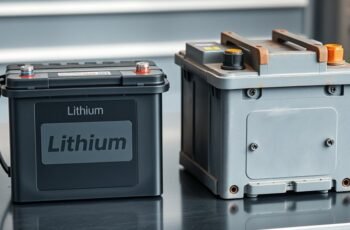
Did you know that not all 100AH deep cycle lithium batteries are created equal in terms of chemistry and safety standards? While many consumers focus on capacity and brand reputation, subtle differences in cell composition and certification can profoundly impact performance and lifespan. Understanding these nuances is essential for making an informed choice, especially when reliability and long-term cost are at stake. Exploring these factors can reveal important insights that might otherwise be overlooked.
Key Takeaways
- Compare battery chemistries like LiFePO4 for safety, longevity, and thermal stability in 100AH deep cycle lithium batteries.
- Evaluate performance metrics such as cycle life, capacity retention, internal resistance, and charge/discharge rates.
- Consider brand reputation, warranty coverage, and after-sales support for long-term reliability.
- Ensure system compatibility by matching voltage, discharge requirements, and proper integration with existing setups.
- Prioritize environmentally friendly features, recycling programs, and sustainable manufacturing practices for eco-conscious choices.
What Are the Key Features to Look for in a 100AH Deep Cycle Lithium Battery
When selecting a 100AH deep cycle lithium battery, understanding the key features that influence performance and reliability is essential. Critical factors include battery chemistry, cycle life, and efficiency, which directly impact longevity. Proper charging techniques are crucial; using chargers designed for lithium technology ensures ideal performance and safety. Additionally, considering battery recycling options is important for environmental responsibility, especially at end-of-life. Recycling programs help minimize waste and recover valuable materials, maintaining sustainability. Reliable batteries also incorporate advanced management systems to prevent overcharging or discharging, safeguarding longevity. By evaluating these features—chemistry, cycle life, charging protocols, and recyclability—we can choose a battery that delivers consistent power while supporting eco-friendly practices.
How Do Battery Chemistry and Quality Affect Performance and Longevity?
The chemistry and quality of a deep cycle lithium battery fundamentally determine its performance and longevity, as these factors influence electrochemical stability and overall reliability. Battery chemistry, such as lithium iron phosphate (LiFePO4) versus other formulations, affects voltage stability, thermal management, and safety, directly impacting longevity factors. High-quality materials minimize degradation processes like capacity fade and internal resistance increase over cycles. Superior manufacturing standards ensure consistent electrode composition and ideal cell balancing, reducing wear and tear. These aspects collectively extend the battery’s usable life and performance consistency. In essence, choosing batteries with advanced chemistry and rigorous quality control enhances longevity factors, leading to sustained capacity, improved cycle life, and superior operational stability over time.
Comparing Top 100AH Lithium Batteries: Specifications and Performance Benchmarks
Evaluating the top 100Ah lithium batteries requires a detailed comparison of their technical specifications and performance metrics to identify ideal choices for various applications. We analyze capacity, cycle life, charge/discharge rates, and internal resistance to assess efficiency and durability. Performance benchmarks highlight how each battery’s stability under load influences system reliability. Additionally, we consider environmental impact factors, including battery recycling processes and material sustainability, which are critical for eco-conscious decisions. Differences in chemistry and construction markedly affect not only performance but also ease of recycling and overall environmental footprint. By scrutinizing these parameters, we can pinpoint batteries that balance high performance with responsible disposal practices, ensuring solutions that meet both technical and ecological standards.
Which Battery Brands Offer the Best Value and Reliability for Your Investment?
Selecting the most reliable and cost-effective lithium battery brands requires a careful analysis of their reputation for longevity, warranty provisions, and consistent performance under varying load conditions. Brands such as A123 Systems, Battle Born, and Renogy stand out due to their strong warranties and proven durability, supported by rigorous testing. These brands also prioritize sustainable practices, including battery recycling, which reduces environmental impact. The table below highlights key factors influencing value and reliability:
| Brand | Warranty & Longevity | Environmental Initiatives |
|---|---|---|
| A123 Systems | 10+ years, high cycle life | Active recycling programs |
| Battle Born | 10 years, stable performance | Focus on eco-friendly materials |
| Renogy | 5-10 years, consistent | Commitment to sustainability |
| LG Chem | 10 years, proven reliability | Recycling partnerships |
Choosing brands with strong environmental practices enhances long-term value and aligns with sustainability goals.
How to Choose the Right 100AH Lithium Battery for Your RV, Boat, or Off-Grid System
Choosing the right 100AH lithium battery for your RV, boat, or off-grid system hinges on understanding specific performance metrics and application requirements. Key factors include energy density, which influences weight and space efficiency—crucial for mobile or limited-space applications. Additionally, consider the battery’s recyclability, as sustainable disposal impacts long-term environmental responsibility. High energy density batteries deliver more power in a compact form, ideal for maximizing limited space. Battery recycling options ensure eco-friendly end-of-life management, aligning with responsible usage. Evaluate the manufacturer’s specifications on cycle life, charge/discharge rates, and safety features. By analyzing these parameters, you can select a lithium battery that balances performance, sustainability, and compatibility with your system, guaranteeing reliable power while minimizing environmental impact.
What Are the Installation and Maintenance Considerations for Deep Cycle Lithium Batteries?
Installing and maintaining deep cycle lithium batteries requires careful attention to their specific requirements to guarantee safety, longevity, and peak performance. Proper adherence to charging protocols is essential, as lithium batteries demand precise voltage and current regulation during charging cycles to prevent damage. Temperature management is equally critical; these batteries perform at their best within a specified temperature range, and exposure to extreme heat or cold can impair capacity and lifespan. Regular monitoring of voltage, current, and temperature ensures early detection of potential issues. Additionally, using compatible chargers and avoiding over-discharge helps maintain battery health. By strictly following these considerations, users can maximize the efficiency and durability of their 100AH lithium batteries over time, ensuring reliable operation in demanding applications.
Understanding Safety Features and Certifications in 100AH Lithium Batteries
Understanding the safety features and certifications of 100AH lithium batteries is essential for ensuring their reliable and secure operation. These batteries incorporate multiple safety mechanisms, such as overcharge, over-discharge, and thermal protection systems, which prevent failures and hazards. Certifications like UL 1973 or IEC 62133 validate compliance with rigorous safety standards, ensuring consistent quality and safety. Additionally, these standards promote responsible battery recycling practices, minimizing environmental impact by controlling hazardous materials and facilitating proper disposal. Recognizing certified models reassures us of environmentally conscious manufacturing and safe usage. Prioritizing these safety features and certifications helps mitigate risks, supports sustainable battery lifecycle management, and aligns with industry best practices for environmentally responsible energy storage solutions.
Real-World Usage: Long-Term Durability and User Feedback on Popular Models
Evaluating the long-term performance of popular 100AH lithium battery models provides valuable insights into their durability and reliability in real-world applications. User feedback indicates that models with higher cycle life and stable chemistry tend to sustain performance over years of use. Durability assessments also consider factors such as thermal management, which impacts battery longevity and safety. Additionally, long-term usage highlights the importance of battery recycling practices, minimizing environmental impact by ensuring safe disposal and reuse of materials. Many users appreciate batteries with recyclable components, reducing waste and promoting sustainability. Overall, real-world data underscores the significance of choosing resilient models with proven longevity and environmentally conscious design, ensuring both long-term reliability and a reduced ecological footprint.
Making Your Final Choice: Tips to Select the Best 100AH Lithium Battery for Your Needs
Choosing the right 100AH lithium battery requires a careful assessment of your specific energy needs, usage environment, and long-term goals. To make an informed decision, consider battery performance metrics such as cycle life, charge efficiency, and safety features. Additionally, evaluate the environmental impact by examining the manufacturer’s commitment to sustainable practices, including battery recycling programs. Batteries with robust recycling initiatives minimize environmental harm and support sustainability. Confirm compatibility with your system’s voltage and discharge requirements to optimize efficiency. Finally, review warranty terms and after-sales support, as these reflect manufacturer reliability. By weighing technical performance alongside environmental considerations, you can select a battery that not only meets your immediate power demands but also aligns with eco-friendly practices for future sustainability.
Frequently Asked Questions
How Do Temperature Variations Impact 100AH Lithium Battery Performance?
Temperature variations markedly affect thermal effects in 100AH lithium batteries, reducing charge efficiency in extreme cold or heat. We analyze these impacts to optimize performance, ensuring reliable operation despite environmental fluctuations.
What Is the Typical Lifespan of a 100AH Lithium Deep Cycle Battery?
We find that 100ah lithium deep cycle batteries typically last 8-10 years with proper charging protocols, and about 80% of their lifespan is preserved through effective battery recycling practices, ensuring durability and sustainability.
Can 100AH Lithium Batteries Be Stored Long-Term Without Maintenance?
Yes, 100Ah lithium batteries can be stored long-term if we follow proper charging protocols and consider battery recycling practices, ensuring they remain at a partial state of charge and are periodically checked to prevent capacity loss or degradation.
How Does Depth of Discharge Affect Battery Cycle Life?
Like a delicate dance, depth impact influences discharge cycles, with deeper discharges shortening battery life. We see that limiting depth of discharge preserves cycle count, ensuring longevity and ideal performance over the battery’s operational lifespan.
Are There Compatibility Issues With Inverter Systems for 100AH Lithium Batteries?
Inverter compatibility and voltage matching are essential; most 100AH lithium batteries are compatible if the inverter supports the battery’s voltage and current specifications, but mismatched systems can cause efficiency losses or damage. Always verify technical specs beforehand.
Conclusion
In summary, selecting the right 100AH deep cycle lithium battery is like choosing the perfect engine for a finely tuned machine—precision, reliability, and compatibility matter. By thoroughly evaluating chemistry, safety features, and brand reputation, we can guarantee long-term performance and safety. Armed with careful analysis and real-world insights, you’ll navigate your options with confidence, much like a skilled captain steering through complex waters, ensuring your energy needs are met with precision and peace of mind.